




The 'Japan Effect' Emerges
A distinct social media phenomenon, dubbed the 'Japan effect,' is gaining traction among Gen Z. This trend involves taking mundane everyday scenes, often
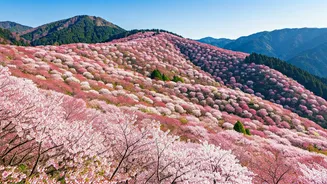
from suburban environments, and enhancing them with anime-inspired music and a rosy visual filter. The result is a curated portrayal that transforms ordinary moments into seemingly dream-like snippets of a Japanese holiday. This approach cleverly satirizes the highly romanticized and often clichéd perception of the Asian nation that has become prevalent online. Platforms like TikTok are central to this trend, where even simple phrases like 'Tokyo, Japan' accompanied by a cherry blossom emoji can imbue a basic street view with an almost magical appeal for certain audiences. This phenomenon is a direct response to the surge in tourism, with Japan recording a record 42.7 million visitors in 2025, despite a dip in Chinese arrivals that year due to diplomatic tensions.
Critiquing 'Japan Glazing'
The idealized online image of Japan is being met with a growing online backlash, fueled by Gen Z's critical perspective. This pushback targets what is termed 'Japan glazing' – a slang expression for excessive and uncritical adoration. According to internet culture analyst Rocky Louzembi, a 'Japan glazer' is someone who places everything Japanese on an impossibly high pedestal, often to the detriment of their own country's offerings. This excessive praise is seen as unrealistic and overlooks the complexities of Japanese society. Louzembi points out that while the weak yen and the global popularity of anime and gaming franchises are indeed driving tourism, some fans take their admiration to an extreme. This trend of 'glazing' contributes to the disconnect between the online fantasy of Japan and its lived reality for many, including residents.
Reality vs. Online Portrayals
The stark contrast between the curated online narratives of Japan and the lived experiences of its residents is a central theme in the Gen Z critique. While many tourists, drawn by anime pilgrimages and the allure of experiencing everyday Japanese life, like enjoying a $1 convenience store rice ball after a costly flight, a more nuanced reality exists. Marika Sato, a Tokyo-based marketing professional and contributor to 'Blossom The Project' (an Instagram account addressing Japanese social issues), notes that the 'Japan' depicted in anime is often significantly different from its actual societal structure. She highlights issues like groping, which many women experience, as an example of a reality often absent from idealized portrayals. Graphic designer Maya Kubota, also with 'Blossom The Project,' expresses an 'icky vibe' from overly enthusiastic comments that place Japanese people on an unattainable 'next level,' emphasizing the need for a more grounded appreciation.
Challenging Cleanliness Myths
A prominent element of the romanticized 'perfect Japan' myth is the exaggerated notion of immaculate streets, so clean that one might not need to wear shoes. Gen Z content creators are actively debunking this stereotype through humorous and relatable content. For instance, a US couple known as 'The Hitobito,' who share their experiences in Japan, showcased their dirty white socks after a real-life experiment, playfully highlighting that 'Japan is clean, but not THAT clean.' This challenges the viral trend of presenting an unrealistically pristine environment. Professor Seio Nakajima of Waseda University suggests that the emphasis on carefully composed visuals, perhaps influenced by anime's detailed backgrounds or a cultural tradition of valuing form, contributes to this idealized image. He argues that focusing on 'form over meaning' makes content easier to go viral, as it requires less critical thought, thereby simplifying and often sanitizing the perception of Japan.
Overtourism and Reactions
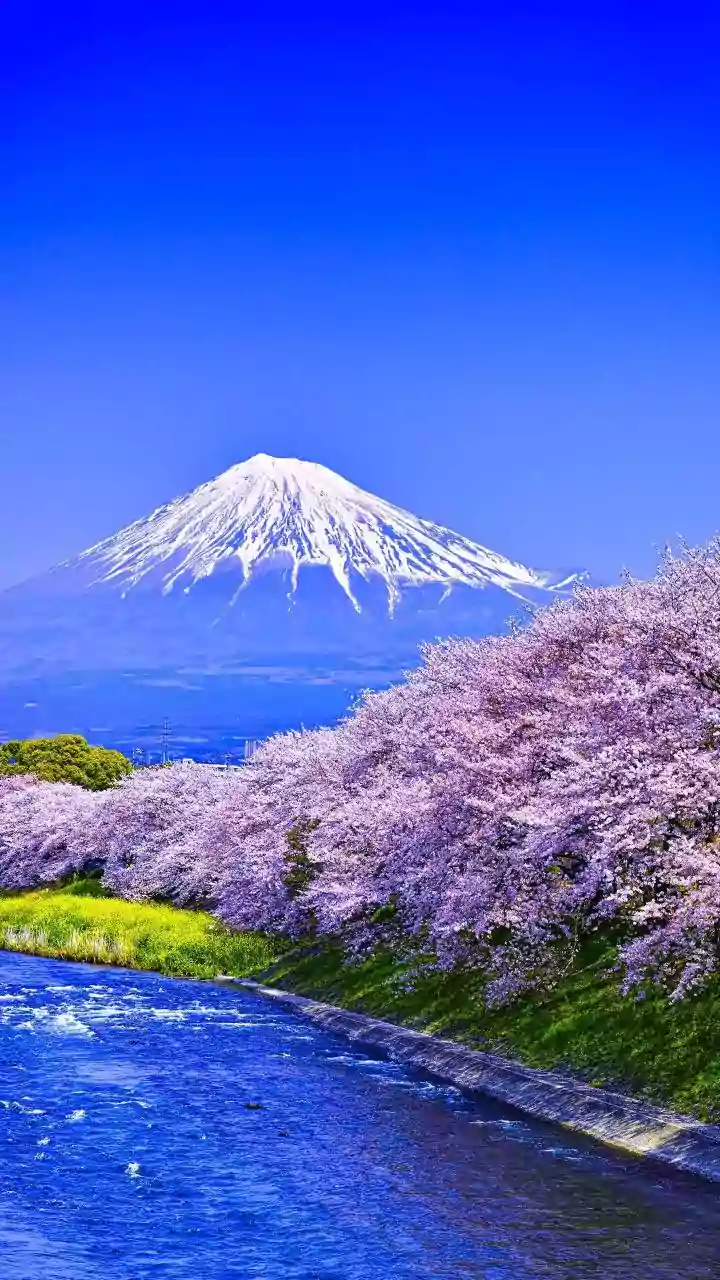
The overwhelming influx of tourists, driven in part by the romanticized image of Japan, has led to tangible consequences, prompting authorities and residents to take action. An example is the cancellation of a cherry blossom festival that offered a highly Instagrammable view of Mount Fuji. This decision was a direct response to resident complaints about overtourism. The phenomenon underscores the tension between the desire to share Japan's beauty and the practical challenges posed by mass tourism. While the country's intricate formalities, from polite language to meticulous packaging, can be a surprising aspect for visitors, Professor Nakajima reiterates that this focus on aesthetics represents only a partial truth. Despite the growing online critique and the impact of overtourism on local communities, some visitors, like Tatiana Mokeeva from Russia, still find their expectations met, expressing a deep affection for all aspects of Japan.