



Thyroid-Friendly Eating
Hypothyroidism, a condition where the thyroid gland underproduces essential hormones, can significantly impact the body's metabolic functions. This slowdown
can lead to symptoms like fatigue, weight gain, dry skin, and hair loss. Managing this condition often involves a combination of medication and strategic dietary choices. The focus is on incorporating nutrient-dense foods that support thyroid function, including those rich in selenium and iodine, while being mindful of potential goitrogens. This approach aims to naturally support the body's metabolic rate and alleviate common hypothyroid symptoms through wholesome Indian vegetarian cuisine. The goal is to build a sustainable eating pattern that nourishes the body and contributes to overall well-being, making the journey of managing hypothyroidism more manageable and enjoyable.
Moong Dal Methi Delight
Moong Dal Methi Sabzi offers a nutritious blend perfect for those managing hypothyroidism, combining the wholesome goodness of fenugreek leaves and yellow moong dal. Fenugreek leaves are packed with fiber, antioxidants, and iron, which aid digestion, help stabilize blood sugar levels, and combat inflammation – all beneficial for thyroid health. Moong dal, being light and easily digestible, provides essential protein to maintain energy without causing sluggishness. The recipe is enhanced with digestive spices like cumin, garlic, and turmeric, contributing to its anti-inflammatory properties. Prepared with minimal oil, this sabzi is low in calories, supporting weight management, a common concern with hypothyroidism. It's a balanced, stomach-friendly dish that pairs well with whole grains for a complete meal.
Refreshing Apple Mint Salad
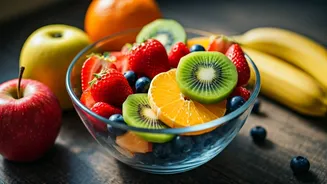
The Minty Apple Salad stands out as an excellent choice for individuals managing hypothyroidism, particularly when prepared with iodized salt to ensure adequate iodine intake. A simple blanching technique for the mint leaves can significantly reduce any naturally occurring goitrogenic compounds while preserving flavor and nutrients. Incorporating a small amount of Brazil nuts, renowned for their high selenium content, can further bolster thyroid health by aiding in the conversion of T4 to T3 hormones and providing antioxidant protection. This salad, with its fresh ingredients and beneficial additions, offers a light yet nutrient-rich component to a thyroid-conscious diet, complementing other meals designed to support endocrine function.
Nutrient-Rich Buckwheat Pancakes
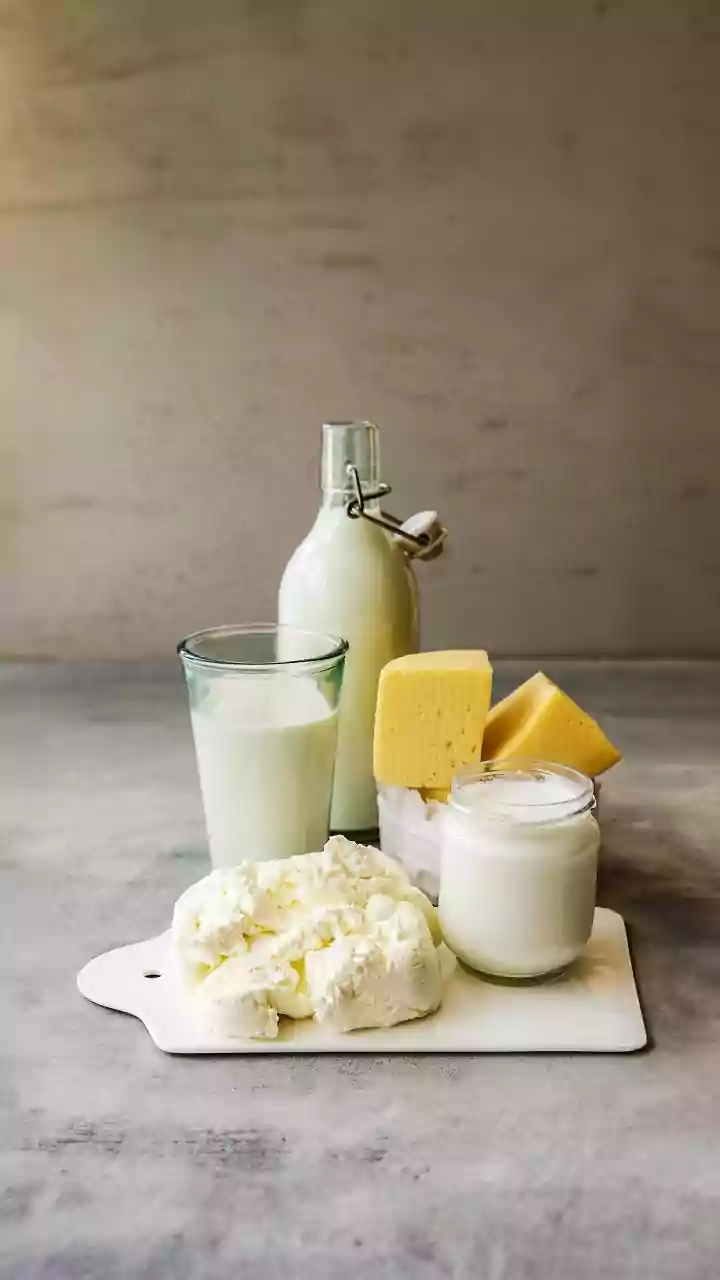
Buckwheat pancakes (Kuttu) are a superb dietary choice for individuals with hypothyroidism due to their gluten-free nature and rich content of fiber, protein, and vital minerals like magnesium. Their low glycemic index promotes sustained energy release, helping to combat the fatigue often associated with thyroid issues. The inclusion of low-fat yogurt adds beneficial probiotics for gut health, which is closely linked to thyroid function. Spices such as ginger, turmeric, and asafoetida contribute anti-inflammatory and digestive benefits. Enhanced with bottle gourd, these pancakes become even more thyroid-friendly, offering hydration and aiding digestion and weight management. Prepared with minimal oil, they provide a wholesome and easily digestible option, best enjoyed as part of a balanced diet rich in iodine and selenium.
Key Thyroid Supplements
For individuals managing hypothyroidism, especially in the Indian context, certain supplements are strongly recommended based on evidence. Selenium (100–200 mcg/day) is crucial, particularly for autoimmune thyroiditis, showing effectiveness in reducing antibodies and inflammation while aiding hormone conversion; many Indian diets are naturally low in this mineral. Zinc (15–30 mg/day) is vital for hormone synthesis and immune balance, with deficiency being common among Indian vegetarians due to phytates; it supports T4 to T3 conversion. Vitamin D (1000–2000 IU/day) deficiency is widespread in India and can exacerbate autoimmune conditions, fatigue, and mood issues. A synergistic Myo-Inositol and Selenium combination (600 mg + 83–200 mcg) shows promise in further reducing thyroid antibodies and improving thyroid labs, particularly beneficial for subclinical hypothyroidism and PCOS overlap. Always consult an endocrinologist regarding dosage and interactions.
Oats and Moong Dal Tikki
Oats Moong Dal Tikki presents a balanced combination of protein, fiber, and spices that can be supportive for hypothyroidism management when consumed moderately. Yellow moong dal is easily digestible, providing protein and iron to combat fatigue. Oats contribute soluble fiber, beneficial for digestion and cholesterol management, important given hypothyroidism's potential impact on heart health. The use of yogurt (dahi) enhances gut health with probiotics, while ingredients like onion, ginger, garlic, and turmeric offer antioxidants and anti-inflammatory benefits. This tikki is a light, nutritious, and satisfying option for a thyroid-friendly diet, best complemented by other foods rich in iodine and selenium to fully support thyroid function.
Barley and Moong Dal Khichdi
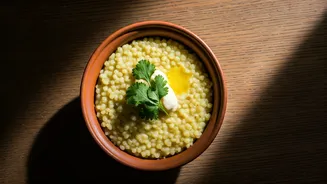
This Barley and Moong Dal Khichdi is recognized as a healthy and safe meal choice for individuals with hypothyroidism. The potential goitrogenic effects of barley are mitigated through proper soaking and cooking processes, and by consuming it in moderate quantities. When paired with iodized salt, which is a crucial iodine source, this dish poses no concern for thyroid health. The khichdi combines the digestive ease of moong dal with the nutrient density of barley, offering a wholesome meal that aligns well with the dietary needs for managing hypothyroidism. It provides essential nutrients without overwhelming the system, contributing to a balanced intake.
Flavorful Masoor Dal Tadka
Masoor Dal Tadka, a popular Indian lentil dish, offers a comforting and flavorful meal that can be a beneficial part of a hypothyroidism diet. Made primarily from red lentils, it's a good source of protein, fiber, and iron, which are vital for energy levels and combating fatigue common in hypothyroidism. The 'tadka' or tempering, typically made with ghee or oil, spices like cumin seeds, mustard seeds, turmeric, and asafoetida, adds flavor and digestive benefits. When prepared with minimal oil and served alongside whole grains like brown rice or roti, it provides a balanced meal. Its easy digestibility and nutrient profile make it a staple that supports overall health without negatively impacting thyroid function.
Wholesome Moong Soup
Moong soup emerges as an excellent choice for individuals managing high blood pressure, diabetes, and hypothyroidism, especially when prepared with restricted salt. The potassium and magnesium content in moong dal aids in regulating blood pressure and promoting circulation. Its low glycemic index is beneficial for controlling blood sugar spikes, making it suitable for diabetics. For those with hypothyroidism, the soup provides a light, easily digestible source of essential nutrients, contributing to metabolic balance without heavy fats or processed components. The antioxidants present also help protect against cellular damage, further supporting overall health and well-being.
Hearty Bajra Khichdi
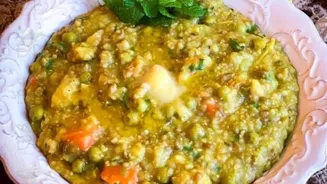
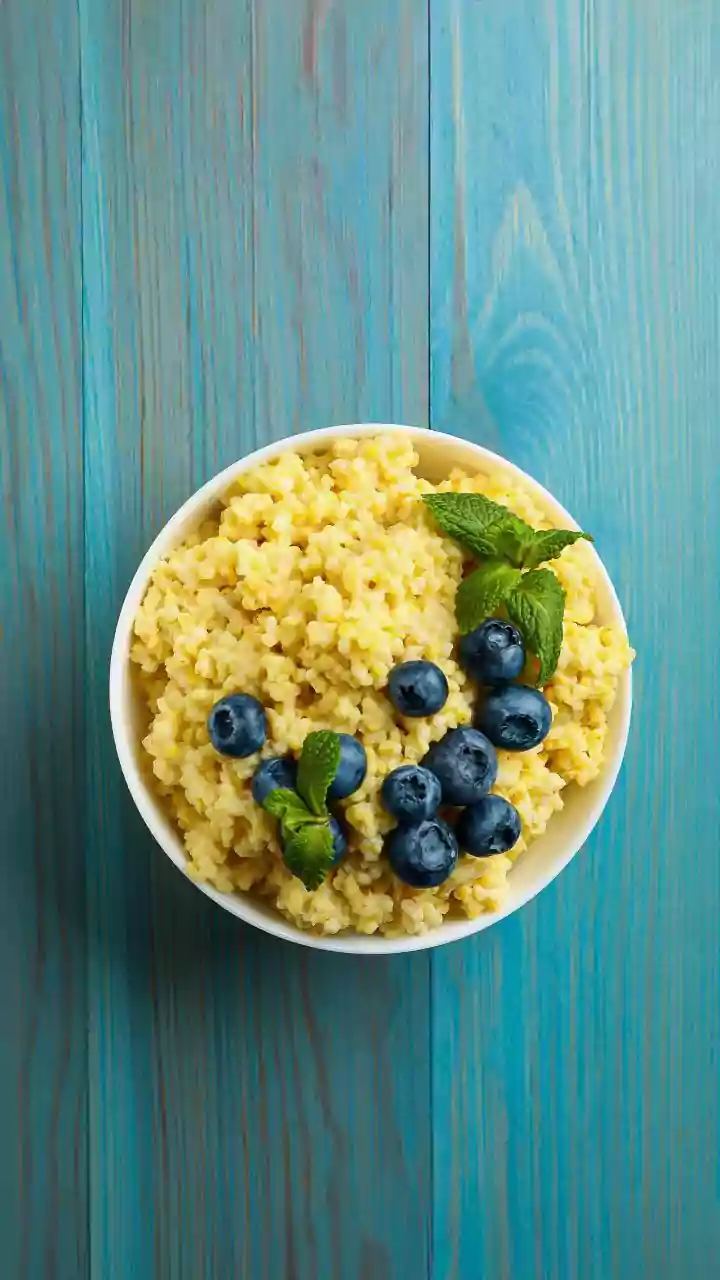
The Bajra Whole Moong and Green Pea Khichdi is a robust and nutrient-dense meal that is particularly beneficial for individuals managing conditions like diabetes, high cholesterol, hypothyroidism, and blood pressure. Pearl millet (bajra) is a rich source of fiber and minerals, promoting satiety and aiding digestion. Combined with whole moong dal and green peas, it provides a good balance of protein, fiber, and vitamins. This khichdi offers sustained energy release, helping to manage fatigue. Its preparation with minimal oil and spices makes it a wholesome option that supports a healthy diet, contributing positively to metabolic health and overall vitality, especially when balanced with other thyroid-supportive foods.