




Storage Balance is Key
The foundation of an organized living room lies in a smart mix of open and closed storage solutions. Professional organizer Laura Cattano emphasizes that
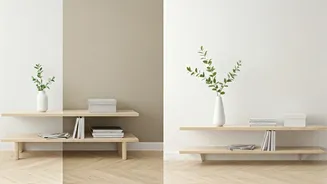
solely relying on open shelves can lead to visual overload, while too much closed storage can make a space feel sterile. The ideal scenario involves cabinets and drawers to discreetly store everyday necessities like extra electronics, office supplies, and books that don't need constant display. Complementing these hidden storage areas with open shelving allows you to showcase items that add personality and define the room's ambiance, whether it's a calming retreat, an inspiring hub, or an energetic social space. This thoughtful combination ensures functionality without sacrificing aesthetic appeal, creating a harmonious and welcoming environment for all activities.
Designated Home for Items
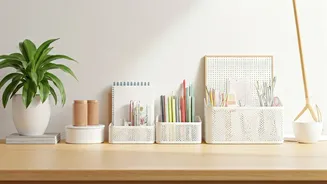
A major contributor to living room clutter is the absence of designated spots for frequently used items. When items lack a convenient, designated place within the room itself, people tend to leave them out, leading to persistent disarray. This is because the effort to transport them to a storage location in another part of the house becomes too burdensome. To combat this, it's crucial to conduct an audit of your living room essentials. Identify what you genuinely use regularly in this space and relocate less frequently needed items to more appropriate areas. Creating specific homes for your everyday essentials, like a basket for remotes or a tray for keys, significantly reduces the temptation to leave things scattered, maintaining a tidier appearance.
Adequate Storage Solutions
Overflowing storage is a clear sign of inadequate capacity, contributing significantly to a cluttered living room. When baskets, drawers, or cabinets are so full that items spill out or are difficult to access, the space loses its functionality and appeal. This lack of sufficient storage creates a constant battle to keep the room tidy and relaxing. To address this, a thorough inventory of your belongings and the available space is essential. If your current storage is consistently overflowing, consider decluttering ruthlessly by discarding items you no longer need or investing in larger, more robust storage units. Ensuring your storage can comfortably accommodate your possessions is vital for maintaining an organized and serene living environment.
Taming Tangled Cords
The modern living room is a hub for electronic devices, from televisions and lamps to phones and laptops, all requiring power. While these items are indispensable, the proliferation of associated cords can create a significant visual mess. Effective cord management is paramount to preventing this type of clutter from overwhelming your space. Simple strategies, like carefully tucking cords behind furniture, can make a remarkable difference in reducing visual noise. For more comprehensive solutions, consider using cable management boxes to bundle unsightly wires, employing outlet concealers with extension cords where feasible, or establishing a dedicated charging station to neatly house and charge multiple devices in one organized spot.
Clearing Old Accumulations
Over time, certain items can accumulate in our living rooms, becoming so familiar that we develop 'clutter blindness.' These are typically things that have been in the same place for extended periods, and while they may no longer serve a purpose or add value, we hesitate to discard them. This can include old magazines, unused board games, or decorative items that have lost their charm. To combat this tendency, it's beneficial to approach your living room with a fresh perspective, as if seeing it for the first time. This objective viewpoint helps you honestly assess whether these accumulated items enhance your life and space or detract from them, making it easier to let go of what's no longer serving you.