





Artemis 2 Countdown
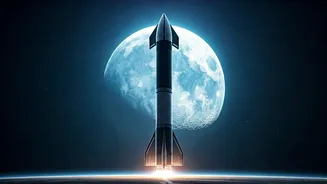
The Artemis 2 mission, slated to be humanity's next giant leap back to the Moon, is in its final stages of preparation. This historic endeavor aims to send
astronauts on a trajectory around the lunar surface, marking a significant milestone since the Apollo era. The astronauts have already entered quarantine, a standard procedure to ensure their health and readiness for the demanding mission. This period of isolation is crucial for preventing any last-minute setbacks. The mission's progression has been closely watched, with key tests like fueling exercises taking place on the launch pad. Despite minor challenges, such as temporary leaks discovered during fueling tests, NASA and its partners are working diligently to address them. The agency has publicly acknowledged these issues, emphasizing their commitment to safety and mission success. The Artemis 2 rocket itself has been moved to the launch pad, a visual testament to the approaching launch window. The international community eagerly anticipates this return to lunar exploration, a journey that promises to reignite a global fascination with space.
SpaceX's Intertwined Missions
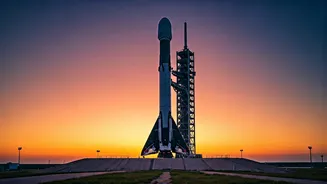
SpaceX plays an indispensable role in the Artemis program, not only through its potential future lunar missions but also by managing critical launches that must coexist with NASA's lunar objectives. The Artemis 2 mission's launch date is intricately tied to SpaceX's operational tempo. For instance, a planned Crew-12 SpaceX mission, originally set for a February 11th launch, faced careful consideration due to its proximity to the Artemis 2 timeline. This delicate dance between missions underscores the complexity of managing launch schedules in a busy spaceflight environment. SpaceX's reliability has been paramount, particularly after a period where its Falcon 9 rocket experienced several upper-stage issues. The Federal Aviation Administration's (FAA) clearance for the Falcon 9 to fly again was a significant step, ensuring that crewed missions, like the upcoming astronaut launch for NASA, could proceed. Furthermore, SpaceX's ability to execute multiple launches, even from different coasts within a short timeframe, highlights its operational prowess and its vital contribution to space exploration logistics. The successful arrival of the SpaceX Dragon capsule for the Crew-12 launch further demonstrates this readiness.
Navigating Launch Challenges
The path to lunar orbit for Artemis 2, and indeed for many space missions, is often paved with unforeseen hurdles and careful adjustments. One notable challenge encountered was the delay of a critical fueling test for the Artemis 2 rocket due to sub-freezing temperatures. This postponement pushed the potential launch date back, necessitating careful rescheduling. Similarly, SpaceX has had to navigate its own launch-related issues. The grounding of its Falcon 9 rocket following an upper-stage problem temporarily cast uncertainty over its upcoming crewed missions. The successful return to flight after such incidents is a testament to rigorous engineering and safety protocols. The articles also highlight the dynamic nature of spaceflight, with events like medical evacuations from the International Space Station potentially influencing launch windows and crew rotations, as seen with the planned evacuation of SpaceX Crew-11 astronauts. The constant need to adapt and overcome these obstacles is a defining characteristic of modern space exploration.
Broader Space Exploration Context
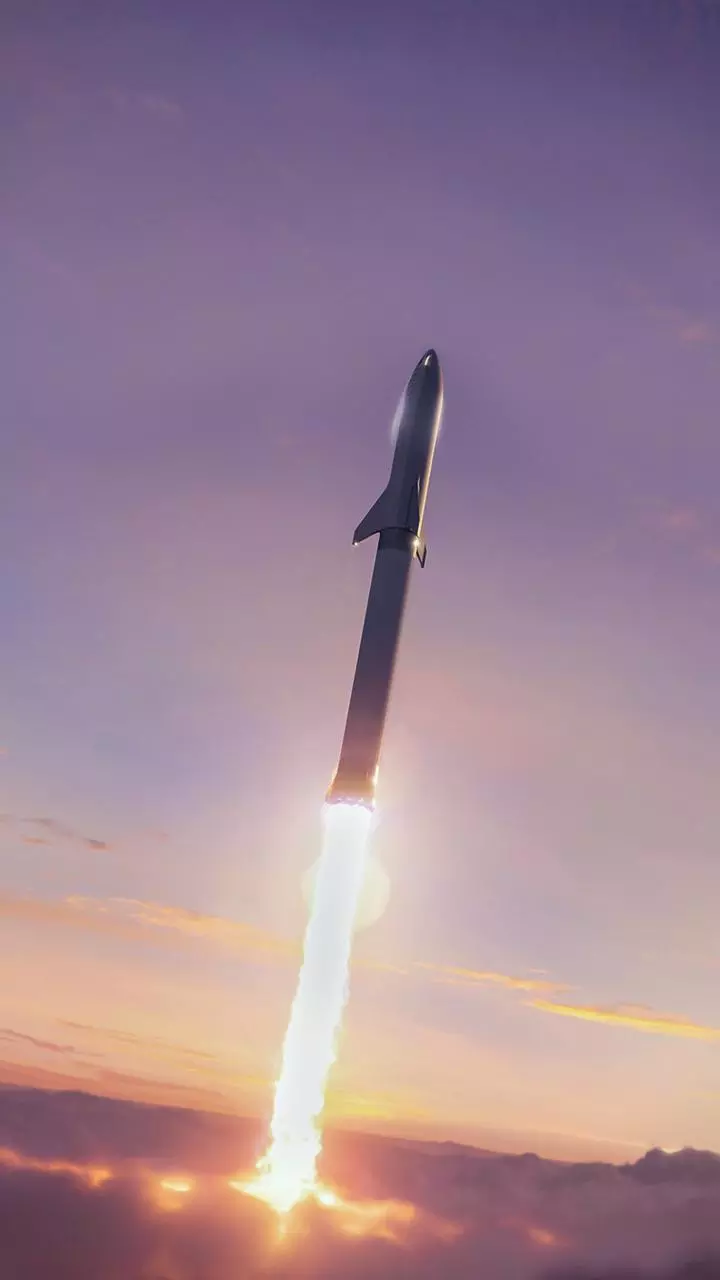
The Artemis 2 mission and SpaceX's endeavors are part of a larger, accelerating global push towards lunar exploration and beyond. The year 2026 is cited as a significant target for humanity's return to the Moon. Beyond human spaceflight, scientific missions continue to push the boundaries of our understanding. The James Webb Space Telescope, for instance, has been instrumental in discovering precursors to the building blocks of life in a nearby galaxy, offering profound insights into cosmic origins. Even events like the apparent breakup of a Russian satellite in orbit, while raising concerns about space debris, underscore the increasing activity and complexities in Earth's orbital environment. The mention of a potential 'Version 3' of SpaceX's Starship, with a targeted mid-March flight, signals ambitious plans for future, more powerful launch systems. These diverse activities, from human lunar missions to deep space observations and the development of new launch vehicles, collectively paint a picture of a vibrant and rapidly evolving era in space exploration.