






The Obesity Epidemic
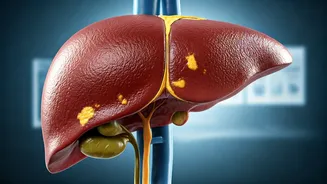
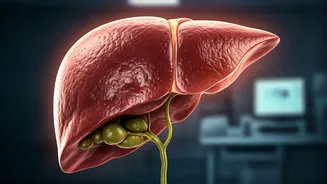
India is currently confronting a substantial surge in obesity and a spectrum of metabolic health issues, including diabetes, hypertension, fatty liver
disease, and dyslipidaemia. The statistics are stark: approximately a quarter of the Indian population is classified as overweight or obese. Furthermore, one in every ten adults struggles with diabetes, one in three lives with hypertension, and a significant portion suffers from fatty liver disease. This trend is particularly worrying due to the accelerated increase in childhood obesity. The underlying reasons for this health crisis are well-understood and not a subject of debate. They stem from the widespread availability of ultra-processed foods, characterized by high fat, salt, and sugar content, alongside increasingly sedentary lifestyles. These lifestyles are a direct consequence of urban work environments, diminishing recreational spaces, pervasive chronic stress, higher alcohol consumption, and insufficient sleep. Adding to this complex picture is a genetic susceptibility prevalent among Indians and South Asians, which leads to a higher accumulation of body fat even in individuals who appear outwardly lean – a phenomenon often referred to as the 'thin-fat' phenotype.