






The Verdant Crown
When you think about the food that graces tables across India, vegetables are an undeniable staple, forming the very foundation of countless meals. Among
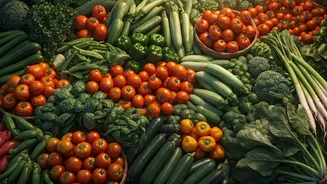
all the states contributing to this vital aspect of national sustenance, West Bengal stands out with remarkable distinction. It is a state that consistently delivers a vast array of vegetable produce, ensuring a plentiful supply that reaches markets throughout the year. This sustained and diverse agricultural output has rightfully cemented its reputation, leading to it being widely recognized as the "Vegetable State of India" or, as it's also fondly known, the "Vegetable Basket of India." This moniker isn't merely honorary; it's a testament to its significant and ongoing contribution to feeding the nation.
Favorable Farming Conditions
The remarkable agricultural achievements of West Bengal are not by chance but are deeply rooted in its inherent geographical advantages. The state is blessed with exceptionally fertile alluvial soil, a gift from the mighty rivers that crisscross its landscape, most notably the Ganga. Complementing this rich soil is a climate that is humid and tropical, creating an environment highly conducive to year-round cultivation. These combined natural boons empower farmers to grow a continuous cycle of vegetables, a stark contrast to many other regions that are dictated by distinct seasonal patterns. This consistent growing ability allows for a steady stream of produce, making West Bengal a reliable provider.
A Diverse Produce Portfolio
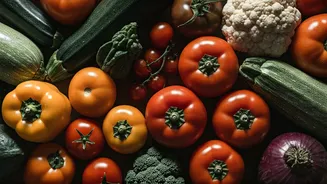
The culinary landscape of Indian households is vast, and West Bengal contributes a staggering variety to meet these demands. From the everyday essentials like potatoes, onions, and tomatoes that form the backbone of many dishes, to an assortment of leafy greens and various gourds, the state cultivates nearly every type of vegetable that graces Indian kitchens. It holds a particularly prominent position in the production of potatoes, not only fulfilling its own needs but also supplying significant quantities to other states. This extensive range ensures that a diverse palette of flavors and nutrients is readily available to consumers nationwide.
Intensive Cultivation Methods
A truly captivating aspect of West Bengal's agricultural system is its remarkably intensive approach to farming. Farmers here often employ a strategy of multi-cropping, meaning they successfully cultivate two, or even three, different crops on the same parcel of land within a single year. This diligent and continuous cycle of planting and harvesting is instrumental in maintaining a consistent and unfettered flow of fresh produce to markets. The efficiency and dedication involved in this intensive system are key to ensuring that consumers across the country have access to fresh vegetables without significant gaps in supply.
Economic Backbone
Beyond its role in ensuring national food security, vegetable cultivation in West Bengal serves as a crucial engine for economic growth. It provides a livelihood for millions of farmers who depend on their harvest for their daily sustenance and financial stability. The bustling wholesale markets, particularly those found in major urban centers like Kolkata, function as vital distribution hubs. These energetic marketplaces are where fresh produce converges before being disseminated to various regions of India, underscoring the state's indispensable economic contribution to the agricultural sector and beyond.
Navigating Agricultural Hurdles
Despite its impressive output and the significant role it plays, agriculture in West Bengal is not without its challenges. Farmers frequently grapple with the unpredictability of weather patterns, and the region is susceptible to recurrent flood events that can devastate crops. Furthermore, fluctuating market prices present a persistent economic uncertainty. These issues are particularly acute for small and marginal farmers, who often face limitations in accessing adequate storage facilities for their produce. Compounding these difficulties is the inadequacy of transportation infrastructure, which can hinder their ability to efficiently reach markets. Consequently, even with bountiful harvests, many farmers find themselves facing financial losses.