







Starting the Journey
Following a period marked by significant personal challenges, actor Shoaib Ibrahim has publicly announced his renewed commitment to prioritizing his physical
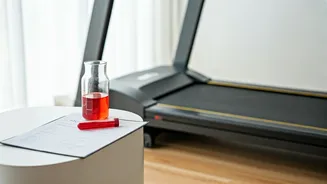
well-being. He shared with his audience through a YouTube vlog that he has begun incorporating walks on his home treadmill as a foundational element of his fitness regimen. Ibrahim expressed his intent to re-establish a consistent routine, humorously noting he's 'back on track.' Alongside this physical activity, he also highlighted his plan to undergo a blood test, stating it's been some time since his last one, and voiced his eagerness to resume gym workouts. His initial steps towards regaining fitness are complemented by a focus on nutrition, as seen in his consumption of fresh green juice, soaked almonds, and walnuts, suggesting a holistic approach to his health reset.
The Wisdom of a Blood Test
Fitness expert Garima Goyal emphasizes that Shoaib Ibrahim's instinct to get a blood test before resuming a rigorous gym routine is not an overreaction but a highly sensible decision, particularly given the immense emotional and physical stress he and his family have endured over the past year. Goyal explains that extreme stress can lead to measurable physiological changes, including elevated cortisol levels, disrupted sleep patterns, altered appetite, and potential nutritional deficiencies that might only become apparent when the body is pushed. Therefore, a pre-exercise blood panel is a crucial diagnostic tool. It assesses vital markers such as hemoglobin and ferritin to gauge iron reserves, essential for sustaining cardiovascular exercise, as low levels can cause undue breathlessness. Vitamin D levels are also critical, as deficiencies are linked to muscle weakness and fatigue. Furthermore, checking thyroid function, fasting glucose, and lipid profiles provides a comprehensive baseline for safe and effective training.
Treadmill: A Gentle Start
The treadmill emerges as an excellent starting point for individuals looking to re-engage with physical activity, especially after periods of inactivity or high stress, as highlighted by fitness expert Garima Goyal. When utilized at a walking or moderate pace, treadmill use is considered a low-impact exercise, meaning it places minimal strain on the joints, making it forgiving for those whose bodies may have been sedentary for some time. This controlled environment allows individuals to gradually build stamina and strength without the risk of injury. Beyond the physical benefits, walking is also recognized for its ability to improve cardiovascular health and reduce stress levels. Committing to just 30 minutes of daily walking can significantly contribute to weight management by burning calories and utilizing stored fat for energy, while also enhancing blood circulation, a vital component for a healthy heart and a reduced risk of chronic conditions like heart disease and diabetes.
Nutritional Foundations
From a nutritional perspective, rebuilding fitness after a sedentary period necessitates a deliberate dietary reset. Expert Garima Goyal advises that the body requires adequate protein to preserve muscle tissue as cardiovascular activity escalates. Complex carbohydrates are essential for providing the necessary energy to fuel workout sessions. Moreover, a focus on micronutrient-rich foods is crucial for replenishing the nutrients that may have been depleted due to stress and irregular eating habits. This nutritional strategy is not solely geared towards weight loss or aesthetic improvements; rather, it aims to build a robust physiological foundation that can adequately support the demands of renewed training. This ensures that the body is well-prepared and resilient when more intensive exercise begins, promoting sustainable health and recovery rather than immediate, potentially unsustainable, physical changes.