





The Illusion Explained
Optical illusions are fascinating visual puzzles that play tricks on our perception, essentially causing a momentary 'glitch' in how our brains process
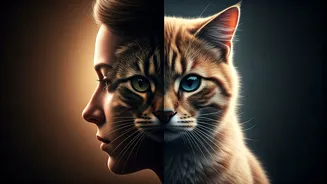
information. They're not just for fun; the initial element your eyes focus on in a cleverly designed image can offer a surprising glimpse into your current mindset and how you interpret the world. Consider this a fun, lighthearted way to understand your own cognitive style. The specific illusion we're exploring presents a rugged cliffside scene, ingeniously crafted to contain two distinct figures: a human face and a cat. The challenge is to let your gaze settle naturally and note which shape registers first, without overthinking it. This immediate recognition can be quite revealing about your underlying thought processes and preferences.
Spotting the Face
If the human face immediately caught your attention in the cliffside illusion, it suggests your mind operates on a larger, more conceptual level. You're not one to simply accept things at face value; instead, you instinctively seek out underlying patterns, narratives, and connections. Your primary mode of operation often involves asking 'why,' indicating a deep-seated curiosity and a desire to understand the mechanics behind everything. This 'Big Picture' thinking fuels your problem-solving abilities, as you naturally look for hidden opportunities or alternative routes when faced with obstacles, perceiving challenges not as dead ends but as invitations to innovation. Your intuition is a powerful guide, allowing you to sense subtle shifts in atmosphere or pinpoint crucial details that others might overlook, making you a natural creative and insightful individual.
Noticing the Cat
Choosing the cat as your first visual discovery points towards a personality that cherishes stability and tranquility. While others might be busy deciphering complex patterns, your brain naturally gravitates towards what is concrete, steady, and serene. You are likely perceived by others as the reliable anchor in any situation, someone who remains composed and unfazed by chaos, finding comfort in predictable routines and a sense of security. This preference for groundedness also suggests a more introspective nature; you tend to process your emotions deeply but privately, not feeling the need for external validation or display. When responding to situations, you adopt a thoughtful approach, taking time to process information thoroughly before offering a measured reaction, rather than acting impulsively. This indicates a preference for considered responses over immediate outbursts.
The Psychology Behind It
These kinds of visual puzzles, while not formal psychological assessments, serve as engaging tools for self-reflection. In a world that often bombards us with external opinions on how we should think and feel, engaging with such illusions provides a valuable moment to connect with our own perceptions. It highlights the inherent diversity in human interpretation – what one person sees as a clear feature, another might interpret differently. This variation underscores the validity of multiple perspectives. The 'glitch' these illusions create is a reminder that our individual filters shape our reality. It’s a playful confirmation that your unique 'face' is someone else's 'cliff,' and both viewpoints hold their own truth and significance.
Authenticity Check
Ultimately, the most important aspect of this illusion test is whether the result resonates with your own sense of self. Our responses can sometimes be influenced by our current needs or emotional state. For instance, you might spot the cat because you're currently seeking a period of calm amidst a hectic week, or you might see the face when you feel energized and ready to embrace new creative ventures. The illusion acts as a mirror, reflecting not just your default settings but also your present desires. So, consider what you saw and ponder if it aligns with your inner feelings. Sharing your perception with someone else can be an illuminating experience, often revealing that even those closest to us can perceive the very same image in dramatically different ways.