


The Culprit: Hair Oil
Those persistent, small bumps appearing on your forehead after you've treated your hair with oil aren't always a sign of a flawed skincare regimen. In
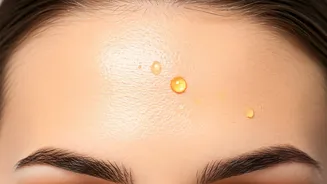
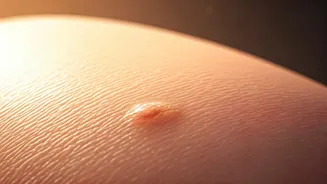
many cases, the hair oil itself is the primary instigator of these blemishes, often referred to as 'pomade acne' or 'acne cosmetica.' These aren't your typical pimples; they tend to be small, uninflamed bumps that neither fully develop nor completely vanish. The mechanism behind this is straightforward: acne arises when pores become obstructed by a confluence of dead skin cells, bacteria, and natural oils. Hair oil, upon migrating from the scalp down to the skin, interacts with sweat and your skin's own sebum, exacerbating this pore-clogging process. This creates an ideal breeding ground for bacteria and subsequent inflammation, leading to breakouts. Even traditionally formulated or potent hair oils can form a dense coating on the skin, which not only triggers acne but also traps other impurities.
Identifying Hair Oil Acne
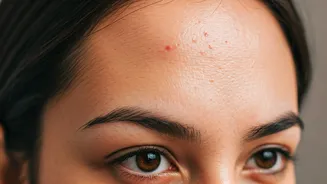
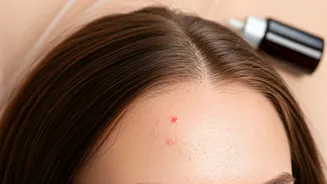
Differentiating between various types of acne can be challenging, but recognizing the signs associated with hair oil as the cause is key. If you consistently notice breakouts concentrated along your hairline and across your forehead, appearing as small, uniform bumps that resemble comedones (blackheads or whiteheads), your hair oil is a strong suspect. Furthermore, pay attention to whether your acne flares up specifically after applying oil to your forehead, while other areas of your face, like your cheeks and chin, remain relatively clear. This localized reaction strongly suggests that your hair oil is the source of the problem. The forehead's anatomical position also makes it particularly vulnerable; it's part of the oily T-zone, characterized by higher sebaceous gland activity, and it frequently comes into contact with hair, making it an easy target for oil residue.
Strategic Hair Oiling Tips
Fortunately, you don't have to entirely forgo the benefits of hair oiling, which is crucial for preventing dryness and frizz. The solution lies in adopting a more strategic approach to application and management. A primary recommendation is to avoid applying oil too close to your hairline or allowing it to drip onto your forehead. Consciously keep your oiled hair away from your face, especially during sleep, as friction and prolonged contact can transfer oil and lead to breakouts. It's also advisable to refrain from leaving hair oil on for extended periods, as this significantly elevates the risk of clogged pores and subsequent acne. When selecting a hair oil, opt for lighter formulations that are less likely to clog pores while still delivering effective nourishment and conditioning to your hair strands.