




Dwarf Apple Delights
Bringing the classic apple harvest to constrained spaces is now a reality, thanks to dwarf apple trees. These varieties typically mature around 10 feet,
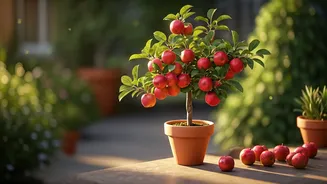
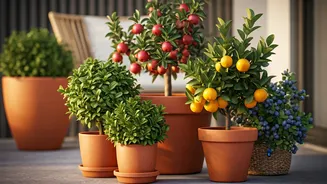
making them ideal candidates for smaller gardens or even large, decorative containers. For those seeking maximum space efficiency, columnar apple trees are an excellent choice; their exceptionally narrow growth habit allows them to be positioned close to fences without sacrificing fruit production. A crucial detail for apple enthusiasts is the necessity of cross-pollination; planting at least two distinct apple varieties in proximity is essential for a successful yield. To enhance your culinary experience, consider the Cox Orange Pippin and Orleans Reinette, renowned for their exceptional qualities in pies, cider, and homemade applesauce. These trees offer a tangible connection to your food, blending the joy of growing with the satisfaction of harvesting.
Easy Dwarf Fig Varieties
For individuals residing in warmer climates like California, Texas, or the Southeastern United States, incorporating a dwarf fig tree into their garden is a highly recommended endeavor. These trees possess remarkable resilience, being naturally resistant to drought and most common pests, and they demand minimal pruning. Varieties such as Black Jack and Violette de Bordeaux are perfectly suited for confined areas, while the Brown Turkey can also serve as an expansive shade provider. Their ease of cultivation, coupled with their delicious fruit, makes them a rewarding addition to any small orchard. The allure of fresh figs, picked directly from your own tree, offers a unique taste of the tropics, even in a compact setting.
Meyer Lemon: Patio Superstar
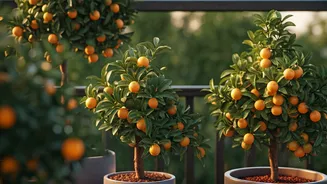
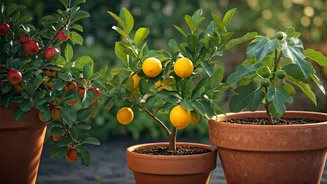
The Meyer lemon tree is a phenomenal choice for urban dwellers or those with no traditional yard space. Its compact size allows it to thrive in pots on patios, balconies, or even windowsills, and it's easily brought indoors during colder weather. This citrus gem is celebrated for its fragrant blossoms and prolific fruit production, providing a sense of accomplishment with relatively little effort and land. Growing your own Meyer lemons offers a continuous supply of fragrant, slightly sweeter lemons than their supermarket counterparts, perfect for cooking, baking, or simply adding zest to your water. It's a truly satisfying experience to nurture a citrus tree and enjoy its bounty.
Dwarf Cherry Rewards
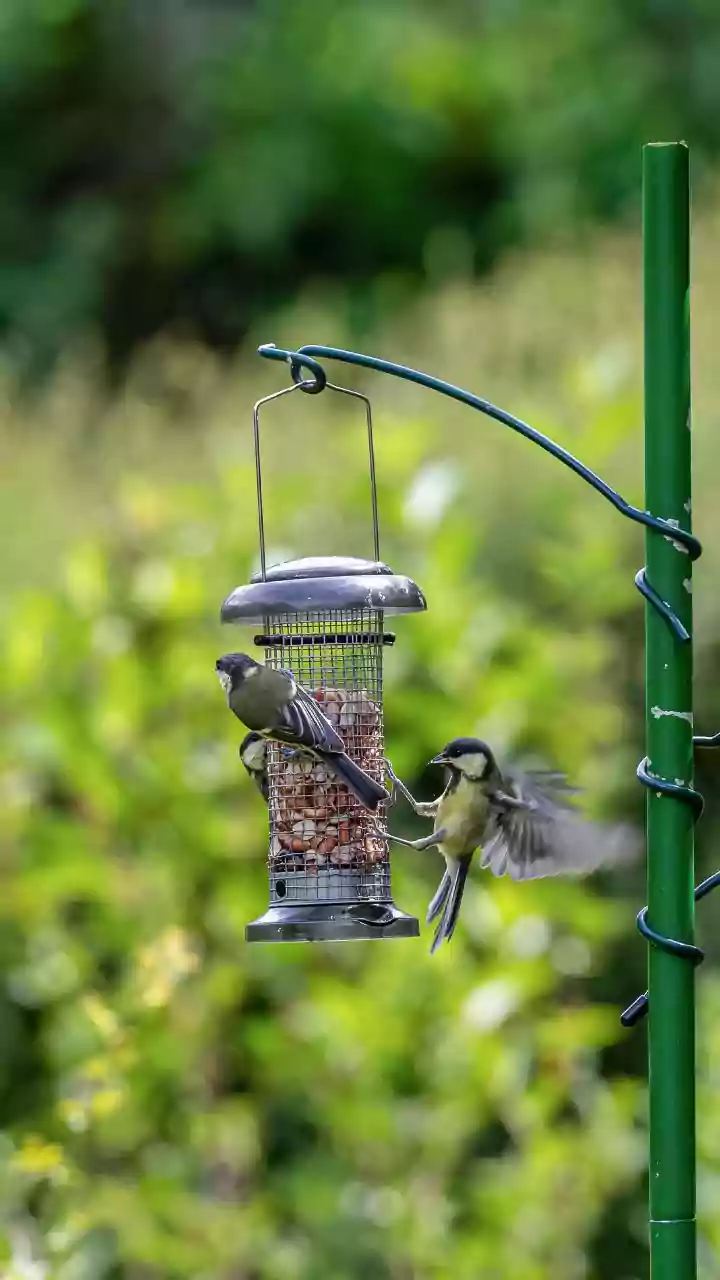
Dwarf cherry trees present a surprisingly manageable and incredibly rewarding addition to a small garden. Reaching an average height of about 8 feet, their fruit becomes accessible without overwhelming your available space. Sour cherry varieties, such as Montmorency, often exhibit a naturally compact growth habit, making them particularly well-suited for tighter landscapes. The primary challenge with these trees is protecting their tempting fruit from opportunistic birds before you can enjoy the harvest yourself. Despite this, the prospect of picking ripe cherries within arm's reach, without extensive cultivation, is a significant draw for home growers.
Dwarf Plum Charm
The dwarf plum tree offers a dual aesthetic and gustatory appeal, making it an excellent candidate for small yards. In the spring, it enchants with a profusion of delicate pink blossoms, and in the autumn, its foliage transforms into a warm palette of gold and amber hues, adding significant ornamental value. Beyond its decorative qualities, it reliably produces fruit. Its upright and tidy growth pattern makes it an ideal fit for narrow garden plots or spaces along fences. For those seeking compact European varieties, Jefferson and Italian plum trees are known for their intensely sweet fruits. If Asian plums are preferred, the Weeping Santa Rosa variety is easily trained and maintains a manageable size for small spaces.
Compact Peach & Nectarine
While often overlooked for smaller garden settings, peach and nectarine trees can be surprisingly well-suited for compact spaces. Their naturally compact growth can be effectively managed with diligent pruning. A significant advantage is their self-pollinating nature, meaning a single tree can yield fruit without needing a companion. The Snow Queen nectarine, in particular, offers a delightful balance of sweetness and tartness, making it a flavorful choice. The idea of enjoying home-grown peaches or nectarines, which are often a treat, becomes achievable even without an expansive orchard.
Forgiving Dwarf Mulberry
For novice gardeners who doubt their horticultural skills, the dwarf everbearing mulberry is an exceptionally forgiving option to begin with. This variety grows rapidly, is self-fertile, and demonstrates considerable tolerance for common cultivation errors. While it can occasionally create a bit of a mess around patios or concrete surfaces, requiring thoughtful placement, its sheer ease of care is unparalleled among fruit trees suitable for small spaces. The promise of a consistent harvest from a plant that requires minimal fuss makes it an attractive choice for building gardening confidence.
Elegant Dwarf Pear
The dwarf pear tree possesses an inherent elegance, characterized by its naturally pyramidal shape, which allows it to maintain a neat appearance with minimal intervention. Uniquely among many fruit trees recommended for small areas, it demonstrates a notable resilience and can thrive even in heavier clay soil conditions. The Seckel variety, despite its small stature, is celebrated for its intensely rich flavor. Other dependable and low-maintenance options include the Duchess d'Angouleme and Warren varieties, both known for their consistent performance and ease of cultivation. The structure and resilience of the dwarf pear make it a stylish and practical addition.
Dwarf Pomegranate Showcase
For those dealing with extremely limited planting areas, the dwarf pomegranate is a remarkable specimen worth considering. These trees typically reach a modest height of only 3 to 6 feet, making them ideal for even the smallest patios or decorative containers. They exhibit excellent drought tolerance, reducing watering concerns significantly. Furthermore, their vibrant orange-red blossoms add considerable ornamental value, making them a true showstopper. The visual appeal of the pomegranate, combined with its compact size and hardiness, offers a unique opportunity for fruit cultivation in micro-spaces.