







Understanding Heart Attacks
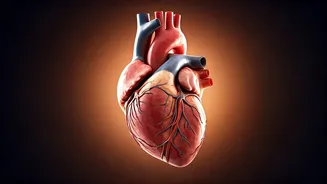
Heart attacks, a serious medical condition, occur when blood flow to the heart is severely reduced or blocked. This typically happens because of a buildup
of fat, cholesterol, and other substances, forming a plaque in the coronary arteries. When this plaque ruptures, a blood clot forms, blocking the artery and depriving the heart of oxygen. This can lead to damage or even death of heart muscle. The speed at which you seek medical assistance significantly impacts the severity of damage to the heart. The quicker the intervention, the better the chances of recovery and minimizing long-term health complications. The neurologist highlighted that recognizing the early warning signs and acting fast can make a huge difference in the outcome for patients.
The Crucial Indicators
According to the AIIMS-trained neurologist, two key indicators should never be ignored. The first and perhaps most well-known is chest pain. This pain may feel like pressure, squeezing, tightness, or a crushing sensation in the chest. It's crucial to note that chest pain associated with a heart attack isn't always sharp and stabbing; it can be a dull ache or a feeling of heaviness. The second indicator, the neurologist mentioned, is pain that radiates to other areas, such as the left arm, jaw, neck, back, or stomach. This pain might begin in the chest and then move to these areas, or it could start in these areas and then spread to the chest. Recognizing that pain in these areas can potentially signify a heart attack is important, and prompt evaluation is critical.
Why Early Detection Matters
Prompt recognition of heart attack symptoms is essential for effective treatment and improved outcomes. Delays in seeking medical care can cause more extensive damage to the heart muscle, potentially leading to long-term health issues and increased risk of death. When a person suspects they are experiencing a heart attack, the first step is to call emergency services immediately. Emergency medical professionals can administer life-saving treatments like clot-busting medications or perform procedures to restore blood flow to the heart. The quicker treatment is provided, the more heart muscle can be saved. Early treatment also minimizes the possibility of severe complications such as heart failure or cardiac arrest. This is why the neurologist emphasizes recognizing these key indicators and acting fast.
Beyond The Indicators
While the two indicators mentioned are crucial, it’s worth noting that other symptoms can also indicate a heart attack. These can include shortness of breath, sweating, nausea, dizziness, or lightheadedness. Some individuals, particularly women, might experience atypical symptoms, which can be easily overlooked. It’s also crucial to be aware of the risk factors that can increase your chances of having a heart attack. These risk factors include high blood pressure, high cholesterol, smoking, diabetes, obesity, a family history of heart disease, and age. While you cannot change some risk factors, like your family history, you can manage and mitigate others through lifestyle modifications. This involves maintaining a healthy diet, exercising regularly, avoiding smoking, and managing stress.
Seeking Medical Assistance
If you or someone you know experiences the symptoms of a heart attack, it's vital to seek immediate medical attention. Don't hesitate or try to 'wait it out,' as every second counts in a cardiac emergency. Call the local emergency number immediately and explain the situation. The healthcare providers can provide the required treatment quickly. When calling emergency services, provide as much information as possible regarding the symptoms and any medical history. It's also important to make sure to remain calm and follow any instructions provided by the emergency operators. Quick action can significantly improve the chances of survival and reduce the extent of heart damage.