





Masters of Relaxation
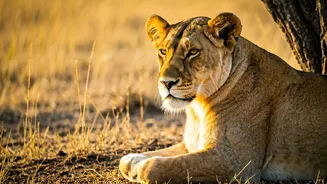
While often revered as symbols of power, lions are surprisingly adept at conserving energy, dedicating as much as 20 hours a day to sleeping or resting.
This seemingly indolent habit is a strategic advantage, allowing them to hoard energy for crucial activities like hunting, defending their territory, and engaging in conflicts. During the oppressive heat of the afternoon, they instinctively seek out the coolest, shadiest spots, minimizing any physical exertion. This remarkable ability to doze for extended periods is a fundamental aspect of their survival, ensuring they are well-rested when the need for action arises, a stark contrast to their fearsome reputation.
Communal Cub Care
Within the intricate social fabric of a lion pride, a beautiful example of cooperation unfolds in the raising of cubs. Lionesses often extend their nurturing instincts beyond their own offspring, collectively caring for all the young within the group. It's not uncommon for cubs to receive nourishment, like milk, from females who are not their biological mothers. This communal parenting strategy significantly boosts the chances of survival for young lions navigating the often perilous environment of the wild, fostering a strong sense of group cohesion and shared responsibility for the next generation.
The Dark Side of Succession
A particularly brutal facet of lion dynamics emerges during pride takeovers. When a new dominant male assumes control, he often engages in infanticide, eliminating cubs that do not share his lineage. This harsh behavior is driven by a powerful evolutionary imperative: females become receptive to mating again sooner after the loss of their cubs. This stark survival mechanism, while difficult to witness, is a critical element of natural selection in lion populations, ensuring the continuation of the dominant male's genes and reinforcing the cycle of power within prides.
Voracious Feeders
Following a successful hunt, lions exhibit an astonishing capacity for consumption. They are known to eat with incredible speed, a behavior partly dictated by the need to secure their meal before opportunistic scavengers like hyenas can claim it. An adult lion possesses the ability to consume a staggering amount of meat, often exceeding 30 kilograms, in a single sitting. This rapid and substantial intake ensures they gain maximum benefit from their hard-won prey, replenishing their energy reserves efficiently.
Mane Variability Explained
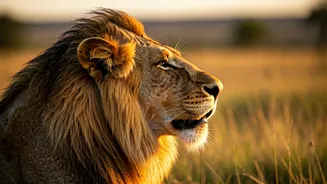
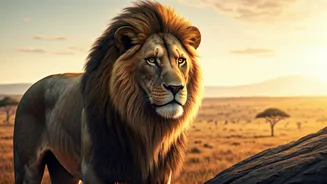
The iconic mane of the male lion, often perceived as a uniform symbol of his power, actually displays considerable variation. Factors such as age, genetic makeup, prevailing temperatures, and overall health significantly influence its appearance. While some lions sport dense, dark manes, others might have much sparser hair around their neck. Notably, in warmer climates, lions tend to have shorter manes, a practical adaptation that aids in thermoregulation and helps them endure the heat more effectively.
Female Hunters Lead
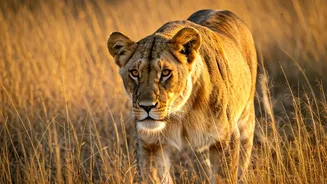
Contrary to the popular assumption that the formidable male lion spearheads the hunt, the reality is that lionesses are the primary architects of successful kills. They are highly skilled hunters who collaborate in sophisticated, coordinated assaults. Their strategy often involves silently encircling their prey before launching a swift attack. This remarkable teamwork and tactical prowess are key reasons why lions, as a species, are such formidable and efficient predators in their ecosystem.
Uniquely Social Predators
In contrast to solitary big cats like tigers and leopards, lions stand out for their profoundly social nature. They thrive in the structured environment of prides, which can comprise multiple females, their offspring, and a select few males. This communal living arrangement provides significant advantages, enhancing their collective ability to defend their territory against rivals and to effectively take down larger, more challenging prey through combined effort and strategic cooperation.