




The Rising BP Challenge
In today's world, approximately 1.4 billion adults globally grapple with hypertension, representing a significant 33 percent of the population aged 30-79.
This escalating concern of high blood pressure necessitates accessible and effective management strategies. While medical interventions are often crucial, lifestyle adjustments are emerging as vital complements. Among these, a time-honored Indian breathing practice, Bhramari Pranayama, is garnering considerable attention for its potential to positively impact both cardiovascular health and mental well-being. It's a technique recommended by health professionals as a potent tool against the growing pressures of modern life on our physical and emotional states.
Understanding the Cortisol Trap
Many individuals inadvertently kick-start their day by activating the body's 'fight or flight' response. Simple actions like immediately checking emails, consuming news, or rushing into immediate tasks can trigger a surge in stress hormones like cortisol and adrenaline. This heightened hormonal state escalates feelings of stress and, consequently, leads to a rise in blood pressure. To circumvent this common pitfall, a strategic morning routine is advised, one that prioritizes calming the nervous system before diving into the demands of the day. This mindful approach sets a more balanced tone for the hours ahead.
Mastering Bee Breath
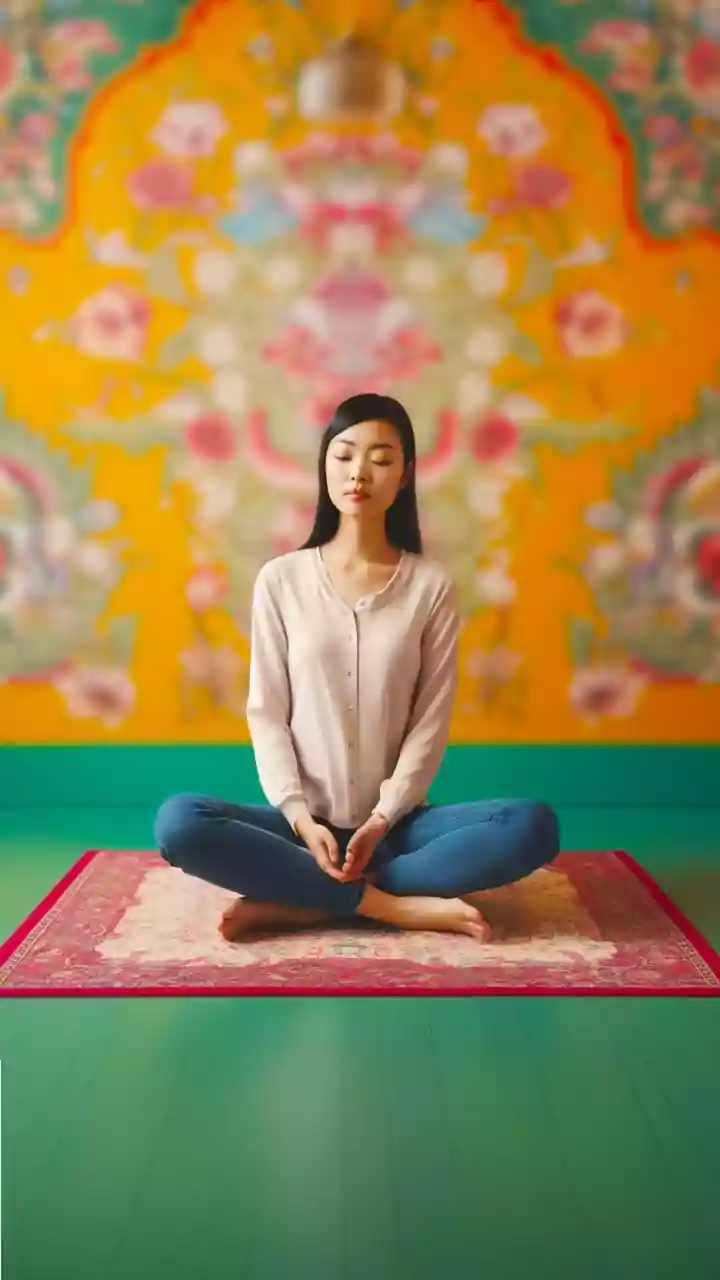
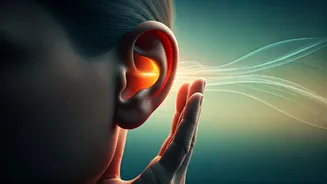
Bhramari Pranayama, affectionately known as 'bee breath,' is a deceptively simple yet profound technique designed to soothe the nervous system and encourage relaxation. Its practice involves a specific posture and the emanation of a gentle, humming sound that vibrates through the body, stimulating the vagus nerve. Essential to its effectiveness are five key principles: timing the practice on an empty stomach right after waking, maintaining an upright yet comfortable posture, employing the 'shanmukhi mudra' by gently covering the ears and eyes with fingers, exhaling through the nose while producing a steady, bee-like hum, and ensuring consistency by starting with 5 repetitions and gradually increasing to 15. Adherence to these guidelines unlocks the full potential of this calming exercise.
Tangible Health Benefits
The impact of consistent Bhramari Pranayama practice extends far beyond immediate relaxation. Regular engagement with this breathing technique has been observed to help regulate mood fluctuations throughout the day, contributing to a more stable emotional state. Crucially, it offers a natural pathway to reducing blood pressure, with studies and expert observations suggesting a potential decrease of 4 to 5 points. By making this conscious choice to swap the initial morning rush for a few minutes of focused breathing, individuals can equip themselves with an accessible and cost-free method for combating chronic stress and alleviating cardiovascular strain.
How Bhramari Aids BP
Bhramari Pranayama offers a multi-faceted approach to managing blood pressure. The gentle, humming sound produced during exhalation has a direct calming effect on the nervous system, effectively reducing stress and anxiety levels which are significant contributors to hypertension. This deep breathing, coupled with the resonant hum, also helps in slowing the heart rate, thereby contributing to lower blood pressure readings. Furthermore, the rhythmic nature of the practice enhances blood circulation throughout the body, a critical factor in maintaining healthy blood pressure levels. Ultimately, the technique induces a state of profound relaxation, beneficial for both immediate stress relief and long-term cardiovascular well-being.