



Winter Leaf Issues Explained
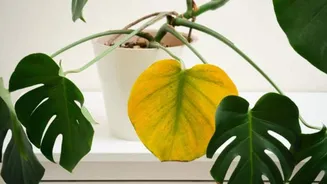
Many plant parents observe their houseplants developing brown leaves during winter, a common ailment with several root causes. Often, this stems from inconsistent
watering, where plants receive too much or too little moisture. Overwatering can lead to root rot, suffocating the plant and manifesting as soggy, discolored leaves. Conversely, underwatering causes dehydration, resulting in crispy, brown edges or tips as the plant struggles to retain moisture. Another significant factor is the dry indoor air caused by heating systems. This low humidity can stress sensitive plants, particularly Calatheas, whose leaves might turn yellow as a distress signal. Similarly, Ficus plants can react to environmental shifts by dropping or yellowing leaves. Understanding these signals is crucial for providing the right care and preventing further damage, allowing the plant to recover its lush foliage.
Addressing Leggy Growth
When houseplants become "leggy," it means they've elongated unnaturally, often with sparse foliage and long, bare stems. This typically occurs when a plant isn't receiving sufficient light. In winter, natural light levels significantly decrease, and if houseplants are placed in dimly lit corners or far from windows, they will stretch towards any available light source, resulting in this spindly appearance. To combat leggy growth, the primary solution is to increase the amount of light the plant receives. This might involve moving it to a brighter location, such as a south-facing window, or supplementing with artificial grow lights. Once the light situation is improved, pruning can encourage bushier growth. Cutting back the leggy stems will stimulate new shoots to emerge from below the cut, leading to a more compact and aesthetically pleasing plant. Patience is key, as recovery takes time and consistent care.
Fertilizing and Watering Wisely
During winter, most houseplants enter a period of dormancy or reduced growth, making it essential to adjust your watering and fertilizing routines. Over-fertilizing in winter is a common mistake that can harm plants. Their metabolic processes slow down, and they cannot absorb nutrients as efficiently, leading to potential root burn or nutrient buildup. Experts generally advise against fertilizing during the winter months unless the plant is actively growing under artificial lights or is a specific winter-blooming variety that requires it. When it comes to watering, it's crucial to reduce frequency. Allow the soil to dry out more between waterings compared to the growing season. Checking the soil moisture with your finger or a moisture meter is a more reliable method than sticking to a rigid schedule. This careful approach prevents waterlogged soil, a primary cause of root rot, especially when combined with cooler temperatures and less light.
Managing Pests and Environment
Winter's indoor environment can inadvertently create favorable conditions for certain pests and exacerbate existing plant health issues. The dry air, often a byproduct of heating systems, can not only stress plants but also make them more susceptible to spider mites. Conversely, overwatering in cooler conditions can lead to fungal gnats. Regularly inspecting your plants for any signs of infestation, such as webbing, tiny insects, or discolored spots, is paramount. If pests are detected, prompt action is necessary. Natural remedies like neem oil or insecticidal soap can be effective for many common houseplant pests. Furthermore, the ambient temperature is crucial. Avoid placing plants too close to heat vents, radiators, or drafty windows, as extreme temperature fluctuations can cause shock and damage. Maintaining a consistent, moderate temperature and adequate humidity, perhaps with a humidifier or by grouping plants, can significantly improve their well-being.
Propagating and Pruning
While winter is a rest period for many plants, it can also be a suitable time for certain propagation and pruning tasks, depending on the plant species. For instance, propagating rubber trees from cuttings can be successful during this season, provided they are kept in a warm, bright location. Similarly, techniques like propagating string of pearls using methods like stem cuttings or leaf cuttings can be initiated. When it comes to orchids, if the flowers have died, it's often best to wait before cutting the stem. Depending on the orchid type, the stem might produce new blooms or plantlets. Pruning decisions, like whether to prune a Japanese Maple, are also seasonally dependent and often best addressed in late winter or early spring before new growth begins, to shape the plant and remove any dead or damaged branches. Understanding the specific needs of each plant is key to successful winter care and propagation.