






Body's Water Confusion
When you immerse yourself in water, your body experiences a unique set of environmental cues that can lead to an unexpected physiological response. The
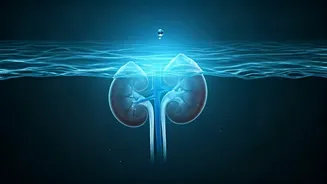
external pressure exerted by the water, particularly when submerged, causes a redistribution of blood within your body. Specifically, blood from your extremities, like arms and legs, is directed towards your core, concentrating in your chest and torso. Your cardiovascular system perceives this internal shift as an increase in overall fluid volume. In response, your heart signals the kidneys to increase urine production, aiming to reduce this perceived excess. This process, known as immersion diuresis, can trigger the urge to urinate within minutes of entering the water, as your kidneys diligently work to eliminate what your body mistakenly believes is too much fluid.
Cold Water's Potent Effect
The temperature of the water significantly impacts the intensity of the urge to urinate after swimming. Cold water exacerbates the phenomenon of immersion diuresis. When exposed to cold temperatures, the blood vessels close to your skin's surface constrict, a process called vasoconstriction. This physiological reaction serves to preserve body heat by diverting blood flow away from the periphery and towards vital internal organs. The increased blood volume directed towards the core, as a result of this cold-induced vasoconstriction, further amplifies the signal to the kidneys that there is an excess of fluid. Consequently, swimmers in colder environments, such as oceans, seas, or unheated outdoor pools, will likely experience a more pronounced and urgent need to urinate compared to those swimming in warmer waters, where this blood redistribution effect is less pronounced.
Individual Differences Noted
While immersion diuresis affects most swimmers, certain individuals are more susceptible to its effects than others. Factors such as pre-existing bladder conditions can make people more prone to feeling the urge frequently. Additionally, those who consume large volumes of water immediately before swimming may find they need to urinate more often due to their already high fluid intake. Age also plays a role, as older adults may experience diminished bladder control, making them more sensitive to the diuretic signals. Furthermore, individuals taking medications for blood pressure often notice an increased diuretic response, as these medications can influence fluid balance and kidney function. Athletes who engage in prolonged swimming sessions are also more likely to experience this urge simply because they are submerged in water for extended periods, allowing the immersion diuresis process to work for longer durations. It's important to note that while this urge is normal, any discomfort or the presence of blood during urination warrants a consultation with a medical professional.