




Origins of the Tandoor
The genesis of the tandoor's prominence in Delhi is closely tied to the migration of Punjabi refugees. Following the partition, these individuals brought
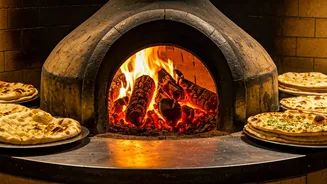
with them their distinct culinary traditions, including the tandoor oven, which quickly became a defining feature of Delhi's food culture. The tandoor, a cylindrical clay oven, was not just a cooking device; it was a symbol of their heritage and a means to recreate the flavors of home in a new environment. This culinary introduction significantly impacted Delhi, reshaping its dining preferences and introducing new textures and aromas to the city's food scene. The adaptability and resilience of the Punjabi refugees played a crucial role in establishing the tandoor's widespread appeal across Delhi, leading to its integration into the local culinary identity.
Tandoor's Culinary Impact
The tandoor's introduction sparked a culinary revolution in Delhi. The high-temperature cooking method provided a unique way to prepare various dishes, imparting a smoky flavor and succulent texture that became instantly popular. Dishes such as tandoori chicken, kebabs, and naan bread gained significant popularity. The tandoor's versatility allowed for creating a wide variety of meals, quickly establishing itself as a key element of Delhi's diverse food offerings. The tandoor was a cooking method that was not only simple but also efficient, appealing to the bustling pace of Delhi's lifestyle. Restaurants and street vendors alike adopted the tandoor, making it a common sight throughout the city and transforming the food experience for both locals and visitors. This led to a significant shift in food preferences, with tandoor-cooked food becoming a significant part of the city's gastronomic identity.
Adaptation and Evolution
As the tandoor gained popularity, it underwent several adaptations to meet local preferences. Chefs in Delhi experimented with different marinades, spices, and cooking techniques, which enhanced the original flavors and broadened the range of tandoor dishes. This experimentation also involved the integration of local ingredients. The simple, clay-based oven evolved into more sophisticated designs, although the fundamental cooking method remained unchanged. The tandoor also adapted to different restaurant settings, from traditional eateries to modern establishments. The flexibility of the tandoor allowed it to continuously meet the changing tastes of Delhi's diverse population. This adaptability showcased the culinary innovation and creative spirit of the city's chefs and food vendors, reinforcing the tandoor's lasting legacy.
Tandoor's Cultural Significance
Beyond its culinary impact, the tandoor holds a special place in Delhi's cultural heritage. It serves as a symbol of the city’s rich culinary history. Food cooked in a tandoor often represents more than just a meal; it embodies a shared experience that brings people together. The preparation and sharing of tandoor-cooked food have become a social practice, frequently found during celebrations and gatherings. The aroma and flavor of the tandoor became deeply intertwined with Delhi’s identity, influencing the atmosphere and vibrancy of local dining scenes. The tandoor's enduring appeal solidifies its status as a critical cultural symbol, reminding Delhi's people of their diverse background and culinary heritage and demonstrating the resilience and influence of cultural interchange.