

Ancient Elixir for Modern Heat
As temperatures soar, the allure of a cold soda is undeniable, but its benefits are fleeting. In contrast, bael sharbat, derived from the wood apple, offers
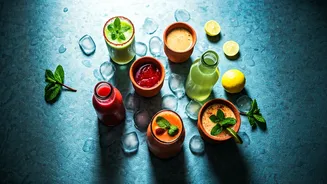
a time-tested solution deeply rooted in Indian summers. This natural beverage provides more than just temporary relief; it actively supports your body's needs during extreme heat. Its rich water content and essential nutrients are vital for combating heat stress and preventing dehydration, offering a healthier, more nourishing alternative to commercially produced fizzy drinks that often lack genuine physiological benefits when the mercury climbs past 40°C.
Beyond Hydration: Digestive Powerhouse
Bael sharbat extends its advantages far beyond simply quenching thirst. It acts as a potent ally for digestive health, a common concern during the summer months when infections and discomfort can arise. The fruit's natural fiber content aids gut function, while its bioactive compounds possess antimicrobial and anti-inflammatory properties. This makes it exceptionally effective in alleviating issues like indigestion, acidity, and constipation, which are frequently exacerbated by the heat. Unlike sodas that offer minimal nutritional value, bael sharbat actively contributes to your well-being.
Nutrient-Rich and Naturally Cooling
The refreshing quality of bael sharbat is not just a sensation; it's rooted in its nutritional profile. The wood apple pulp is a good source of water, crucial for maintaining hydration. It also contains vital electrolytes like potassium and essential vitamins, including vitamin C and vitamin A, which are instrumental in regulating fluid balance within the body. These components collectively help the body cope with the strain of high temperatures, ensuring sustained well-being. This natural infusion of nutrients provides a genuine physiological advantage that artificial beverages simply cannot match.
The Soda Contrast
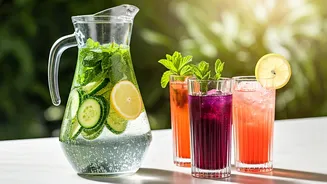
Comparing bael sharbat to a popular diet soda reveals a stark difference in impact. While diet sodas may be perceived as healthier due to their low-calorie and sugar-free nature, their benefits are superficial. They fail to provide the vitamins, electrolytes, or real hydration support that the body desperately needs in intense heat. Furthermore, the artificial sweeteners used in these beverages can have potential long-term implications for gut health and appetite. In essence, they offer a fleeting sense of refreshment without any genuine physiological benefit, unlike the nutrient-dense properties of bael sharbat.
Seasonal Wisdom
The tradition of consuming bael during the hottest months of the year is a testament to its physiological appropriateness. Its natural availability during the peak summer period, typically from March to June, aligns perfectly with the body's increased demand for cooling and hydration. This seasonal consumption pattern is a prime example of how traditional practices often mirror scientific understanding, providing the body with the sustenance it requires precisely when it needs it most. It's a harmonious blend of nature's bounty and human physiological needs.
Making and Enjoying Bael
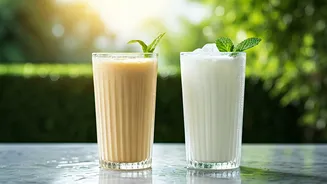
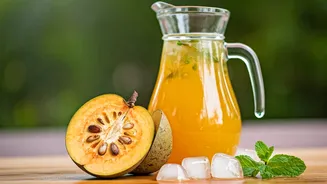
Crafting your own refreshing bael sharbat at home is a straightforward process. Begin by carefully opening the hard outer shell of the wood apple and scooping out the fibrous pulp. Mix this pulp thoroughly with water and then strain the mixture to achieve a smooth consistency. To enhance the flavour, a small amount of natural sweetener like jaggery or a squeeze of lime can be added, though it's best kept minimal to retain its health benefits. Serving it chilled ensures maximum refreshment. However, it's important to consume it in moderation, as overindulgence, particularly with unripe fruit, might lead to constipation due to its tannin content.