

Mint's Limited Appeal
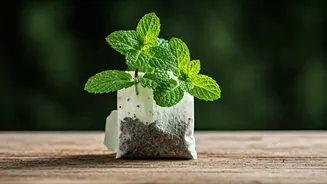
Contrary to popular belief, merely planting mint in your garden isn't a magic bullet for keeping squirrels at bay. While the strong scent of mint might
be momentarily off-putting to these agile rodents, it's unlikely to provide lasting protection. Experts explain that squirrels, much like humans in a room with a strong smell, can easily become accustomed to and ignore unpleasant odors when motivated by hunger. This means that while they might initially be deterred, they'll soon learn to tolerate the mint and continue their raid on your vegetables and herbs. Furthermore, mint itself is an aggressive grower and can quickly spread, potentially becoming a nuisance in its own right if not properly contained in a separate planter or bed. Therefore, relying solely on mint as a deterrent is an approach that lacks long-term efficacy and can lead to unintended gardening challenges.
Scent Deterrents Don't Last
The notion that certain strong scents can permanently deter squirrels is largely a myth, according to pest and landscaping professionals. Beyond mint, other commonly suggested scent-based repellents, such as cayenne pepper, coffee grounds, and even dried blood meal, have proven to be ineffective over time. Squirrels are remarkably adaptable creatures, and their persistent drive for food will often override their aversion to these smells. Just as they can become desensitized to mint, they will eventually disregard the pungency of spices or other organic materials once they realize it doesn't pose a genuine threat to their access to food. This means gardeners who invest time and effort into these methods are likely to be disappointed with the results, as squirrels will continue to find ways to reach desired food sources regardless of these olfactory barriers.
Physical Barriers are Key
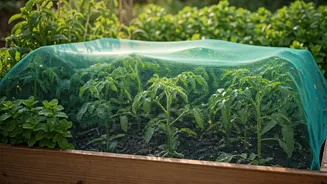
When it comes to reliably keeping squirrels out of your garden or away from bird feeders, the consensus among experts is clear: physical barriers are the most effective solution. These methods create a tangible obstacle that squirrels cannot easily overcome. This can involve investing in specially designed squirrel-proof bird feeders, which often incorporate features like weighted perches that close off food access when a heavier animal lands on them. For vegetable patches, constructing domes or enclosures made of chicken wire is highly recommended. These sturdy barriers effectively prevent squirrels, as well as other common garden pests like rabbits, from reaching your growing produce. Other protective measures include using cloches, mesh cages, or netting specifically to shield plants and fruits in pots and planters from unwanted visitors.
Motion Sprinklers & Coexistence
Beyond static barriers, dynamic deterrents like motion-activated sprinklers offer another effective way to manage squirrel populations in your garden. These devices detect movement and emit a sudden burst of water, startling squirrels and other small animals, prompting them to flee without causing them harm. This can be particularly useful for larger garden areas and also provides the added benefit of watering your plants. If you've exhausted various methods and still find squirrels persistent, experts suggest considering a strategy of coexistence. This involves providing dedicated food sources for squirrels, such as separate feeders filled with their preferred snacks, to divert their attention from your vegetable beds and bird feeders. Additionally, placing bowls of fresh water can reduce their need to seek moisture from your fruits and vegetables, fostering a more peaceful integration with these urban wildlife inhabitants.