





Maintain Familiar Routines
Toddlers thrive on predictability, finding comfort and security in their established routines. When traveling, drastic changes to nap times, meal schedules,
or daily activities can easily lead to fussiness and meltdowns. To mitigate this, parents should strive to replicate their home routine as closely as possible during the journey. This includes aiming for similar mealtimes and nap schedules, even in a new environment. By offering this sense of familiarity, you help your toddler feel more grounded and secure, significantly reducing the likelihood of them throwing a tantrum due to the disruption of their normal day. A consistent schedule acts as a vital anchor for young children in unfamiliar surroundings, promoting a sense of calm and well-being.
Pack Smart Essentials
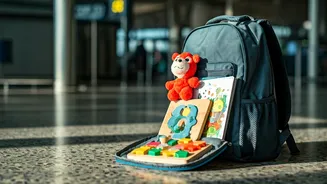
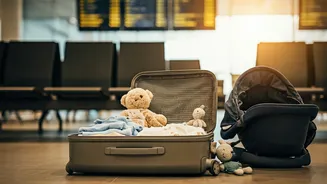
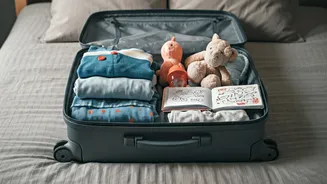
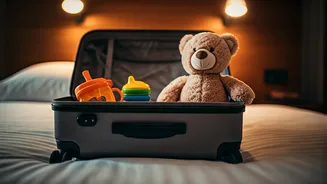
A primary instigator of toddler tantrums during travel is often discomfort or sheer boredom. To combat this, strategic packing is key. Parents should assemble a "travel kit" filled with not just necessities but also cherished comfort items. This could include a favorite blanket, a special stuffed animal, or familiar snacks. Having these items readily available can provide a sense of security and immediate distraction when a child feels overwhelmed or restless. Being well-prepared for various travel scenarios, from long waits to unexpected delays, is a proactive approach that empowers parents to manage potential tantrum triggers with confidence and less stress, ensuring a more pleasant journey for both child and caregiver.
Engage and Distract
Young children possess notably short attention spans, making it crucial to keep them actively engaged during travel to prevent boredom-induced tantrums. Parents can employ a variety of engaging tactics, such as telling stories, singing favorite songs, or playing simple car games. The art of distraction is one of the most effective and easily implemented strategies for pre-empting a meltdown. By redirecting a toddler's focus towards something enjoyable or interesting, you can shift their emotional state from frustration and boredom to one of happiness and calm. This proactive engagement helps to fill potentially tedious travel moments with positive interaction, thereby minimizing the chances of a tantrum erupting.
Stay Calm and Patient
When a toddler does begin to exhibit tantrum behaviors, a parent's reaction is paramount. Reacting with frustration or anger can often escalate the situation and prove counterproductive. Instead, the most effective approach is to remain exceptionally calm and patient. Speaking in a soft, reassuring tone and attempting to understand the root cause of the tantrum – whether it's hunger, tiredness, or a need for attention – can help the child feel heard and understood. This composed demeanor helps the toddler feel secure and supported, which in turn can help de-escalate the tantrum. A parent's steady presence provides a stabilizing influence during a child's emotional storm.
Offer Small Choices
Toddlers often have tantrums when they perceive a lack of control over their circumstances. To foster a sense of agency and encourage cooperation during travel, parents can strategically offer small, manageable choices. This could be as simple as asking, "Would you like the apple slices or the crackers for a snack?" or "Do you prefer to sit by the window or the aisle?" Presenting these limited options allows the child to feel empowered and in charge of a small aspect of their journey. This subtle empowerment can significantly reduce feelings of frustration and resistance, leading to a more cooperative and pleasant travel experience for everyone involved, as the child feels their preferences are acknowledged.