






Digestive Comfort: Rice or Roti?
The choice between rice and roti often hinges on individual digestive ease. White rice, stripped of its fibrous bran, is generally quicker and gentler
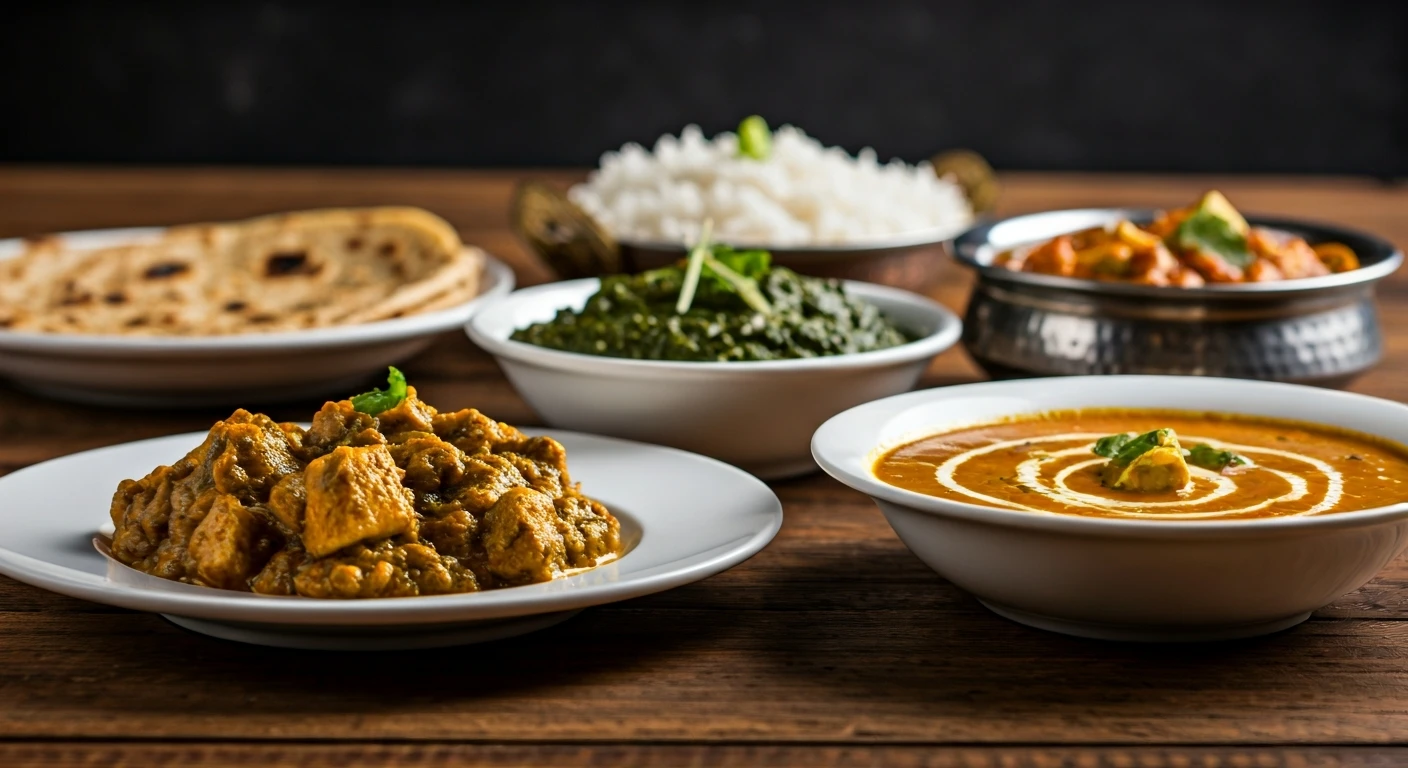
to process, making it a favorable option for those experiencing acidity, bloating, or general digestive discomfort. Its rapid breakdown requires less effort from the stomach. Conversely, roti, typically crafted from whole wheat, is richer in dietary fiber. While this fiber is excellent for promoting gut health and regular bowel movements, it also leads to a slower digestive process. For some, this equates to a prolonged sense of fullness, which can be beneficial. However, for individuals with sensitive digestive systems, the slower digestion of roti might feel heavy or lead to discomfort. Therefore, understanding your own gut's response is paramount when deciding which staple to incorporate into your meals.
Glycaemic Impact and Blood Sugar
Contrary to popular belief, the glycaemic index (GI) of white rice and whole wheat roti often falls into a similar range, particularly when consumed in moderate portions. A 2020 study indicated that the difference in blood sugar spikes isn't as dramatic as commonly perceived. Experts emphasize that factors beyond the grain itself significantly influence blood sugar levels. These include the quantity consumed (portion size), the overall composition of the meal – the inclusion of vegetables, proteins, and healthy fats – and the cooking methods employed. While roti's higher fiber content aids in slowing down glucose absorption, rice, being naturally gluten-free, offers an alternative for those sensitive to gluten. The key isn't solely the grain but how it's integrated into a balanced dietary plan.
Weight Loss Perspectives
Nutritionists clarify that neither rice nor roti is inherently a cause of weight gain. The fundamental principle of weight management, as explained by experts, lies in the total calorie intake, established eating patterns, and disciplined portion control, rather than the complete elimination of carbohydrates. While roti's fiber can contribute to extended satiety, potentially curbing subsequent snacking, some individuals find rice more digestively comfortable, naturally leading them to consume less overall when their digestion feels unburdened. The critical point is that excessive consumption of either staple, especially when meals lack adequate vegetables and protein, can impede weight loss progress. Mindful consumption and balanced meals are more influential than the choice between rice and roti.
When Rice Shines
For certain individuals, white rice can emerge as a superior choice over wheat roti, particularly for those grappling with specific digestive conditions. Experts suggest that people with issues like Irritable Bowel Syndrome (IBS), Polycystic Ovary Syndrome (PCOS), persistent bloating, or gluten sensitivities may find rice significantly easier to tolerate. Its lighter nature imposes less strain on the digestive system. When strategically paired with complementary foods like dal (lentils), yogurt, or a generous serving of vegetables, rice can form a complete and balanced meal without overwhelming the gut. Furthermore, incorporating healthy fats and lean protein into a rice-based meal plays a crucial role in stabilizing blood sugar levels, enhancing its suitability for sensitive eaters.
Roti's Advantages
Roti tends to be the preferred choice for individuals who possess a robust digestive system, prefer a gradual and sustained release of energy throughout the day, or require a higher intake of dietary fiber. The substantial fiber content in roti not only supports optimal gut function but also promotes a feeling of fullness for an extended period. This prolonged satiety can be particularly advantageous for those actively pursuing weight loss objectives, especially when consumed earlier in the day when digestive capabilities are typically at their peak. Its structure offers a more grounded energy source compared to the quicker digestibility of refined rice.
Mindful Consumption Strategies
To optimize both digestive well-being and weight management goals, regardless of whether you choose rice or roti, adopting mindful eating practices is essential. Key strategies include maintaining moderate portion sizes to avoid overconsumption, consistently pairing your chosen staple with a diverse array of vegetables and a source of protein to create a balanced meal, and avoiding very late-night consumption, which can burden the digestive system. Moreover, practicing slow and deliberate chewing enhances nutrient absorption and promotes satiety signals. Ultimately, the art of constructing balanced meals, rich in nutrients from various food groups, holds greater significance for overall health than fixating on the singular choice between rice and roti.