






A New Beginning
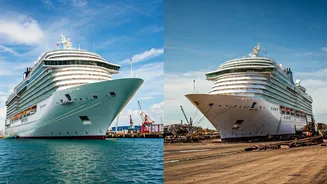
Many older cruise ships embark on a second life, often with a different cruise operator. This transition typically involves significant refitting and rebranding
to align with the new company's identity and to appeal to a fresh set of passengers. Such ships, particularly if they are smaller or still in reasonably good condition, can be attractive acquisitions for smaller cruise lines or those expanding their fleet. The process of rebranding can take several weeks to a few months, during which the vessel temporarily vanishes from public tracking systems before reappearing with a new name, a refreshed exterior, and updated interiors. This practice allows established cruise lines to phase out older vessels while ensuring they continue to contribute to the maritime industry, offering new travel experiences without the immediate expense of constructing an entirely new ship. This 're-migration' is a common strategy that keeps ships sailing and passengers cruising.
The Scrapyard Voyage
For vessels that are too old, inefficient, or costly to update to modern standards, the inevitable destination is a specialized shipbreaking yard. These yards, often located in places like Alang, India, or Aliaga, Turkey, are where ships meet their final end. The process is pragmatic and industrial: the ship is deliberately run aground during high tide, after which dismantling begins. Teams of workers meticulously take the vessel apart by hand over a period of weeks or months. The primary goal is recycling; the vast quantities of steel are repurposed for new construction, and various fittings and components are salvaged and sold. While this might seem like a grim conclusion for once-grand floating resorts, it's an essential part of the global supply chain, recovering valuable materials and minimizing waste. It's an unglamorous but vital industry.
Legal Limbo and Auctions
In less common but more dramatic scenarios, cruise ships can end up in legal predicaments, especially if their operating company faces bankruptcy. When a cruise line collapses, its assets, including its fleet, can become entangled in legal proceedings. Ships might be impounded in foreign ports, awaiting resolution, and eventually, they can be put up for auction. These auctions often see vessels selling for a fraction of their estimated worth due to their complicated circumstances. An example of this unfolded when a ship, previously valued at up to $25 million, was reportedly sold for a mere $5 million after its operator went bankrupt. Astonishingly, even in such cases, some ships can eventually be salvaged and returned to service under new ownership and with a different operational focus, demonstrating the resilience of maritime assets.