




About Arbi Patta
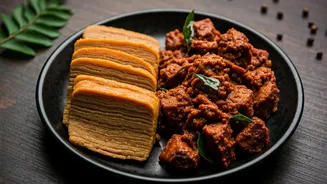
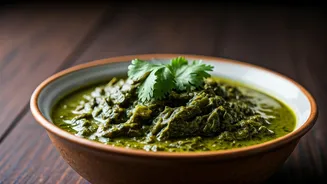
Arbi ke patte, also known as colocasia leaves, are a common ingredient in Indian cuisine, celebrated for their unique flavor and nutritional benefits.
These leaves, derived from the taro plant, offer a slightly tangy taste and are rich in vitamins and minerals. The traditional preparation of Arbi Ke Patte Ki Sabzi involves carefully cleaning and preparing the leaves, ensuring they are tender and flavorful. This dish is particularly popular in several regions of India, often prepared during festive occasions and as a regular part of home-cooked meals. Its adaptability allows for variations based on regional preferences, often incorporating spices and ingredients that enhance the overall taste and health benefits. The popularity stems from its ease of preparation and the distinct, satisfying taste it delivers.
Key Ingredients Needed
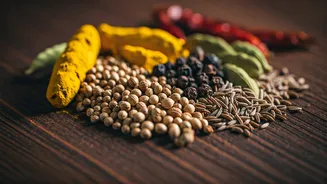
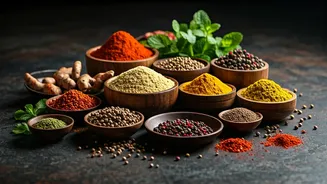
To start making this flavorful sabzi, you'll need a handful of essential ingredients that combine to create the dish's distinct taste. The primary ingredient is, of course, the fresh Arbi ke patte (colocasia leaves), which should be carefully washed and chopped. You'll also require a selection of spices such as turmeric powder, red chili powder, coriander powder, and garam masala to provide depth and warmth. Other essential components include a tadka of mustard seeds and cumin seeds for the tempering, along with chopped onions, garlic, and ginger for the base. Don't forget salt, as needed, and a touch of oil for cooking. Some recipes might also call for ingredients like besan (gram flour) or a little bit of tamarind paste to add body and tang. Having all these ingredients ready beforehand will streamline the cooking process, ensuring the final dish is not only delicious but also true to its traditional roots.
Preparing the Leaves
Properly preparing the Arbi ke patte is crucial to achieving the best taste and texture in your sabzi. Begin by thoroughly washing the colocasia leaves under running water to remove any dirt or debris. Once clean, gently pat them dry before removing any tough stems or veins. Next, finely chop the leaves into manageable pieces, ensuring even sizes for consistent cooking. Some cooks like to blanch the leaves in hot water for a couple of minutes to reduce any potential itchiness and to soften the leaves, enhancing their edibility. This step is especially important if using older leaves. You could also choose to soak them in a mixture of salt and turmeric for a while; this will also assist with softening and ensure thorough cleaning. The manner in which you prepare the leaves significantly affects the sabzi’s overall appeal, guaranteeing a more pleasant eating experience.
Making the Tadka
Creating the tadka (tempering) is a vital step in preparing Arbi Ke Patte Ki Sabzi, as it infuses the dish with essential flavors. In a pan, heat some oil over medium heat. Add mustard seeds and cumin seeds; let them splutter until they release their aroma. Next, introduce finely chopped onions and sauté them until they turn golden brown. Follow this by adding a paste of garlic and ginger; cook until raw smell disappears. Then, add the dry spice powders - turmeric, red chili, and coriander. Sauté them briefly to prevent burning. If desired, you can include asafoetida (hing) for a boost of flavor. The tadka serves as the foundation of the dish, carrying many of the flavors that define the sabzi, so careful attention to this step is essential for creating an authentic culinary experience.
Adding the Leaves
Once the tadka is prepared, it's time to add the chopped colocasia leaves to the pan. Gently introduce the leaves into the fragrant spice mixture, ensuring each leaf is well-coated. Stir continuously to evenly distribute the spices and prevent sticking. If using, add a splash of water to prevent the mixture from drying out, particularly if you're cooking over high heat. At this stage, you might include other flavor enhancers like besan or a little tamarind paste, mixing well. Cover the pan and let the leaves simmer. Continue cooking until the leaves are tender and the flavors meld, which may take about 15-20 minutes. Keep stirring at intervals to prevent sticking and ensure even cooking. The aim is to have leaves soft, with a blend of spice flavor.
Simmer and Cook
After adding the leaves, it's essential to let the Arbi Ke Patte Ki Sabzi simmer, allowing the flavors to meld and the leaves to soften. Once you've incorporated the leaves with the tadka, reduce the heat to low, cover the pan with a lid, and let the mixture gently simmer. Check the sabzi periodically, stirring gently to prevent sticking and to ensure uniform cooking. You may need to add a small amount of water if the sabzi is getting dry to prevent it from burning. The cooking time will depend on the age of the leaves and your desired tenderness but usually ranges from 15-20 minutes, or until the leaves are easily pierced with a fork. Keep an eye out for consistency, which must be thick and the leaves soft. At the end, adjust seasoning by adding salt as needed to match your taste.
Final Touches & Serve
Once the Arbi Ke Patte Ki Sabzi has simmered and the leaves have reached the desired tenderness, it's time for the final touches. Taste the sabzi and add salt or any spices, according to taste. You can also incorporate a bit of fresh cilantro for color and aroma, adding it just before serving. Turn off the heat and let the sabzi stand for a few minutes, which allows the flavors to settle and intensify. Serve the Arbi Ke Patte Ki Sabzi hot, often accompanied by rice or roti. It's often enjoyed as a side dish, and it pairs perfectly with a simple dal or other vegetable preparations. The richness and the savory flavors of the sabzi make it a delicious and fulfilling meal, celebrated in many Indian households.