





Sentimental Stashes
Professional organizers universally agree that cherished keepsakes and memorabilia should not occupy valuable closet real estate. These items, whether
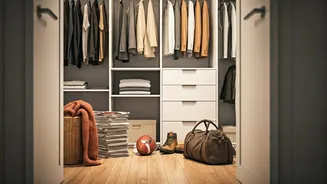
personal mementos or children's treasures, serve a better purpose when stored elsewhere. Constantly bringing these sentimental pieces into your closet, which has limited capacity, is an inefficient use of space. A practical approach suggested by experts is to allocate just one designated bin per family member for these treasures and find suitable storage in less-used areas like attics or basements. This strategy ensures your closet remains dedicated to frequently used items while preserving your special memories without contributing to disarray.
Bulk Buys Beware
Those fantastic deals from warehouse clubs or sales on large quantities of toiletries and cleaning supplies can quickly become a closet headache. Experts caution against storing these bulk items in your closet due to their potential to create clutter and, more critically, to leak or spill onto your clothing. It's far more advisable to limit these purchases to quantities that can be neatly managed within your bathroom cabinets or designated utility rooms. By keeping them out of the closet, you prevent potential damage to your garments and maintain a more organized, hygienic storage environment, ensuring your closet remains solely for essentials and apparel.
Flimsy Hanger Purge
Wire hangers, often acquired from dry cleaners, are a common culprit for closet disorganization and damage to clothing. Professional organizers strongly advise against their continued use. These hangers are notoriously flimsy, failing to adequately support garments, which can lead to stretching, misshaping, and clothes sliding off onto the closet floor. Investing in a set of matching, sturdy hangers not only enhances the visual appeal of your closet but also significantly improves the longevity and presentation of your clothing. Opting for uniform hangers creates a streamlined look and ensures your clothes stay securely in place, preventing unnecessary wear and tear.
Clothing Out of Rotation
Every item in your closet should ideally be something you wear regularly and feel confident in. Professional organizers offer a clear framework for assessing clothing that no longer serves its purpose. This includes seasonal items, which can be neatly packed away in bins or storage bags and stowed in an attic or basement during their off-season. Additionally, any garments that are stained or ripped beyond repair should be discarded. For pieces that are still salvageable but require mending or a tough stain treatment, make a concrete plan to address them promptly. Finally, clothing kept with the vague hope of a future trend revival or a return to a previous size – the 'someday' items – should likely be sold or donated, freeing up valuable closet space for current wear.
Formalwear and Fun
Outdated formalwear and seldom-used costumes are frequently found lurking in closets, contributing to unnecessary clutter. Experts recommend rehoming these items if they aren't likely to be worn again. Selling or donating them ensures your closet is primarily reserved for your everyday wardrobe. Similarly, Halloween costumes, typically worn only once a year, are better stored in less accessible areas like garages or storage units, or simply donated if they've served their purpose. This proactive approach maximizes closet space for functional clothing, keeping your primary wardrobe easily accessible and organized.
Regifting Unwanted Treasures
Closets often become the holding ground for gifts received that simply aren't to your taste or use. Professional organizers urge individuals to release any guilt associated with these items. Keeping unwanted gifts consumes valuable space and can create mental clutter. If you genuinely know you will never use a particular item, the most effective solution is to donate it or discreetly regift it. This practice not only frees up your closet for items you genuinely love and utilize but also allows the item to find a home with someone who will appreciate it.
Empty Box Burden
The tendency to hoard empty boxes from electronics, shoes, or appliances, with the vague notion of reselling or future use, can significantly contribute to closet clutter. Professional organizers emphasize that unless there's a specific, actionable plan for resale, these boxes serve no practical purpose in your closet. Tossing or recycling them is the recommended course of action to reclaim valuable storage space. Freeing your closet from these unnecessary cardboard containers allows for more efficient organization of items you actually use and need on a regular basis.
Linens Galore
Bedding and towels, while essential, should ideally reside in a dedicated linen closet. According to organizational experts, if you find yourself storing excess linens and towels in your bedroom closet, it's a clear sign you likely possess more than you actually need. A thorough decluttering process involves pulling out all linens and towels and immediately discarding any that are old, stained, or mismatched. A general guideline suggests keeping only two to three sets of bedding per bed and two to three sets of towels per person. These items occupy substantial space, so maintaining a streamlined collection ensures your closet space is used efficiently for truly necessary items.