



Ditch Single-Color Finishes
To achieve a kitchen that stands the test of time, interior designers strongly advocate for mixing different metal finishes rather than opting for a single
hue. For instance, a monochromatic approach with all-black fixtures, while trendy in recent years, can anchor your kitchen to a specific era, particularly evoking the now-dated farmhouse aesthetic. Kristi Patterson, founder of Grace Hill Design, suggests incorporating a sophisticated blend, such as pairing polished nickel with warm brass or gold. This layered application across lighting, hardware, and faucets introduces depth and visual interest, preventing your kitchen from becoming a slave to fleeting trends and lending it a more nuanced, enduring charm.
Reject Geometric Backsplashes
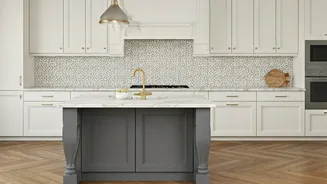
The era of elaborate "picture frame" backsplashes has passed, and designers recommend their removal for a more timeless kitchen. Instead, opt for a simple, artisan-made tile that flows consistently across the entire backsplash area. These unpatterned, handmade tiles provide subtle textural variation and a handcrafted feel, which is universally perceived as classic rather than trendy. Ruben Gutierrez, co-founder of Errez Design, concurs, emphasizing the importance of understated, traditional tile choices like natural stone or classic subway tiles. He humorously likens geometric backsplashes to a "mullet" in design – fashionable for a moment but ultimately prone to aging poorly.
Say Goodbye to Open Shelving
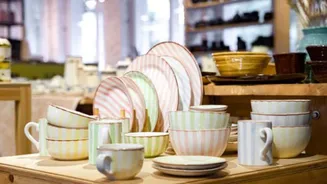
While open shelving enjoyed significant popularity throughout the 2010s, its appeal has waned, according to design professionals. Gutierrez points out that while visually appealing in photographs, open shelving presents practical challenges in daily upkeep. Dust accumulation is rapid, quickly transforming a curated look into one that appears cluttered rather than intentional. The preferred alternative is embracing closed cabinetry, which offers a much more effective and straightforward solution for storing kitchen essentials, maintaining a tidy and serene environment on a day-to-day basis.
Minimize Countertop Appliances
Visual clutter is antithetical to a timeless aesthetic, and displaying numerous countertop appliances contributes significantly to this disarray. Sharon L. Sherman, founder of Thyme & Place Design, highlights that an abundance of appliances scattered across countertops creates "visual design chaos." She suggests that decluttering the countertops is an immediate and impactful method for enhancing the overall sophistication of a kitchen. Furthermore, many modern countertop appliances offer dual functionality, presenting an opportunity to potentially reduce the number of items visible and stored, thereby simplifying the space.
Replace Microwave Hoods
The integrated microwave above the stove is now considered an outdated feature by designers like Sherman. Both she and Patterson advocate for replacing these units with a dedicated range hood, preferably crafted from materials like wood or metal. While this modification might necessitate installing proper ventilation and adjusting surrounding cabinetry, the visual and functional improvements are substantial. Patterson further suggests an alternative placement for the microwave, recommending the pantry as a discreet and practical location, thus freeing up valuable and often unsightly hood space.
Eliminate Ornate Moldings
In contemporary kitchen design, simplicity reigns supreme. Sherman advises against the use of overly ornate moldings on cabinet doors or decorative trims. She espouses the design mantra, "A little bit goes a long way," suggesting that restraint is key to creating a space that endures. Opting for cleaner, more straightforward lines in cabinetry and architectural details contributes to a kitchen's ability to withstand the passage of time and shifting design trends, ensuring a more classic and lasting appeal.