







AI in Recruitment
Artificial intelligence is fundamentally transforming how companies recruit, moving beyond simple assistance to actively reshape core processes. AI algorithms
possess the remarkable ability to sift through massive volumes of candidate data – including resumes, cover letters, and online professional profiles – with unparalleled speed and efficiency. This capability significantly accelerates the initial screening phase, allowing recruiters to pinpoint candidates who closely align with job requirements in a fraction of the time previously needed. Crucially, by focusing on objective criteria, AI tools can also help mitigate unconscious bias that might otherwise influence human reviewers. Furthermore, AI-powered chatbots are enhancing the candidate experience by providing instant answers to common queries, managing interview scheduling, and delivering timely application updates, thereby ensuring consistent communication. This automation allows HR professionals to dedicate more time to strategic initiatives, such as cultivating relationships with high-potential candidates and bolstering the company's employer brand.
The Synthetic Candidate Threat
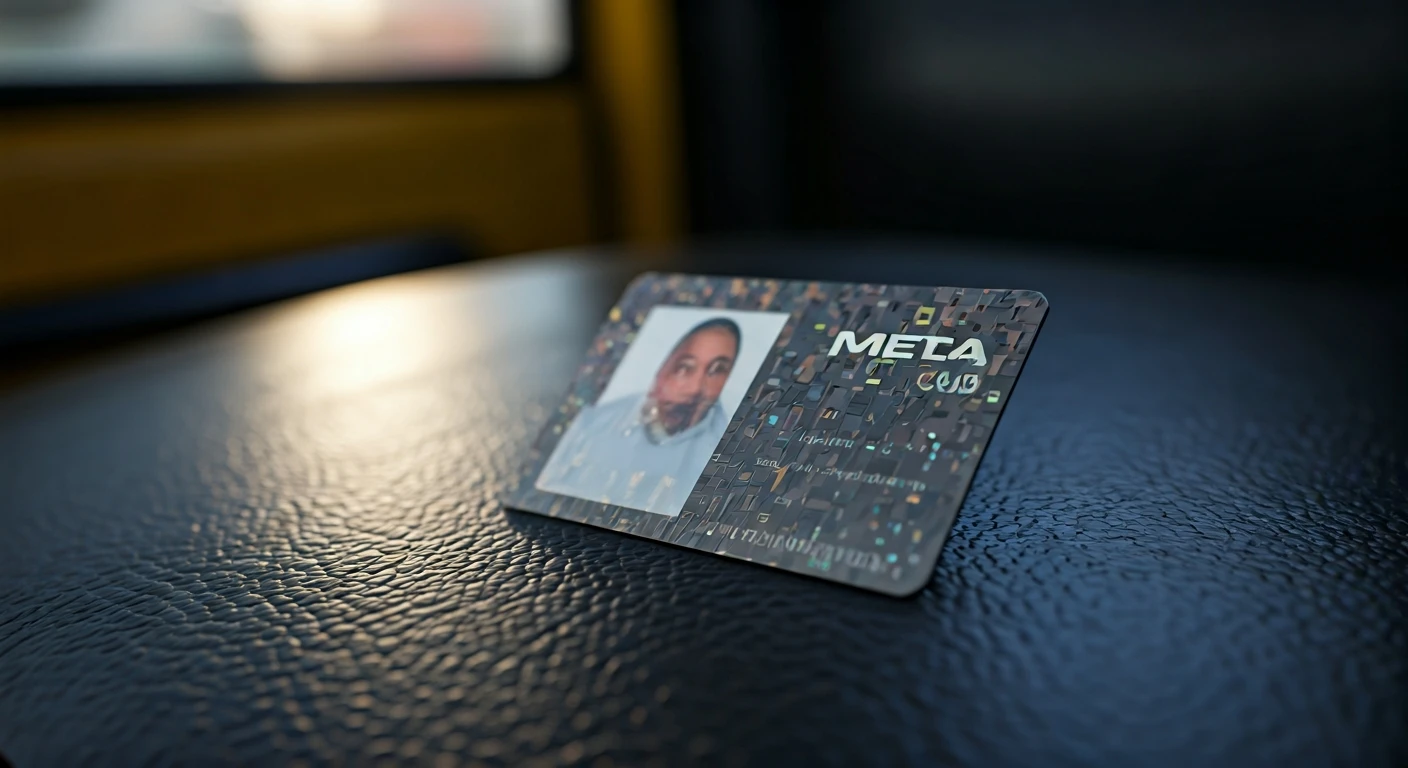
A new, deeply concerning trend is emerging where artificial intelligence is not just assisting job seekers but actively fabricating them. Sophisticated AI can now generate entirely synthetic candidates, complete with tailored resumes and even real-time deepfake video interviews, turning the hiring process itself into a target for advanced deception. This development presents a paradigm shift for HR teams, where the objective extends beyond merely identifying the best candidate to actively verifying their very existence. In an era where reality can be convincingly simulated, distinguishing between genuine individuals and AI-generated personas is becoming increasingly challenging. Experts predict that a significant percentage of job candidates could be entirely synthetic, powered by generative AI, by 2028. This threat is already manifesting, with a substantial increase in hiring managers encountering deepfake video interviews, indicating a rapid escalation of this issue.
Securing the Hiring Process
To combat the escalating threat of AI-driven hiring fraud, organizations must adopt a security-first mindset, treating recruitment as a security-sensitive process rather than solely a people function. Implementing layered identity verification, akin to Know Your Customer (KYC) procedures in financial institutions, is essential. This involves moving beyond basic checks to multi-step validation. Verifying official documents digitally through trusted platforms like DigiLocker, rather than relying on scanned copies, adds another layer of security. Real-time identity checks during onboarding, which match facial biometrics with official identity records, are crucial to confirm the candidate's physical presence. It's vital to understand the distinction between document access and true authenticity, where verified digital identity confirms a person's reality. Reverse image searches can help expose reused or AI-generated profile photos, and 'too perfect' resumes or images should raise red flags for potential synthetic candidates. Auditing digital footprints and scrutinizing timeline inconsistencies in professional histories are also key steps. Prioritizing quick verification methods can prevent long-term risks.
Advanced Verification Tactics
The interview stage is a critical juncture for identifying fraudulent candidates, as deepfake technology often struggles with spontaneous, unscripted interactions. Simple, unpredictable tasks, such as showing an ID, changing physical location, or writing on camera, can expose inconsistencies that AI struggles to replicate flawlessly. Subtle signs like lip-sync lag, odd lighting, or blurred edges might indicate manipulation. Beyond basic visual checks, HR professionals should leverage secure hiring platforms designed to detect fraud, validate device integrity, and flag suspicious activities like avatars or overlays. Traditional video conferencing tools often lack these built-in safeguards. A shift towards source-based verification, where credentials are cross-checked directly with authoritative systems like National Academic Depository for education or EPFO records for employment, is recommended. Following the principle of 'Trust the source, not the screenshot' is paramount. For critical roles, at least one in-person interview can provide a strong layer of verification. Testing real skills through unscripted, real-time problem-solving or spontaneous explanations helps assess genuine capability, reinforcing a zero-trust onboarding approach where access is granted gradually.
The Future of Trust
As AI continues to advance, the landscape of workplace identity and hiring is undergoing a profound transformation, necessitating a recalibration of trust and security protocols. Companies are increasingly being urged to adopt a Zero-Trust onboarding model, extending verification beyond the initial interview to encompass hardware-backed biometrics, liveness verification, and independent validation of all credentials. The rise of AI-driven hiring fraud poses systemic threats, potentially compromising supply chains, IT systems, and critical infrastructure if not adequately addressed. Platforms like LinkedIn are enhancing their systems to combat these challenges, enabling members to verify key aspects of their professional identity through integrations with partners using government IDs or work emails. With millions of verifications globally, credibility is becoming central to building trust online. LinkedIn actively employs advanced technology and dedicated teams to detect and prevent harmful activity, proactively stopping a vast majority of fake accounts. This evolution redefines HR as a frontline of cybersecurity, demanding closer collaboration with IT and security teams to ensure that identity verification, fraud detection, and continuous monitoring are standard practice in the hiring process.