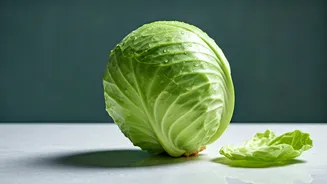









Why Clean Cabbage?
Cabbage, a kitchen staple for everything from vibrant salads to hearty parathas, often harbors unwelcome guests. Due to its growth close to the earth and
its layered structure, it's a prime spot for tiny worms, dirt, pesticides, and bacteria. Without proper attention, these hidden contaminants can end up in your food, compromising both taste and safety. Understanding why thorough cleaning is crucial is the first step towards enjoying this nutritious vegetable without worry. Ensuring cleanliness guarantees that your meals are not only delicious but also free from any unwanted elements, making every bite a healthy one.
Discard Outer Layers
Begin your cabbage cleaning journey by removing its outermost leaves. Typically, the first two to three layers are the most exposed to the elements, potentially collecting more dirt, residual pesticides, and insects. Discarding these gives you access to the cleaner inner core and streamlines the subsequent cleaning steps. This initial action is a simple yet highly effective preventative measure, ensuring that the bulk of potential contaminants are removed right at the start, setting a solid foundation for a hygienic preparation process.
Chop for Access
Once the outer leaves are off, it's time to prepare the cabbage for a deeper clean by cutting it. Halving or quartering the head effectively opens up its tightly packed layers. This crucial step makes it significantly easier to visually inspect for any hidden worms or debris that might be nestled deep within. By creating more surface area and accessible crevices, you significantly enhance the effectiveness of the washing and soaking methods that follow, ensuring no part of the cabbage is left unexamined or unclean.
Soak in Salt Water
To effectively dislodge any concealed pests, immerse your chopped cabbage in a solution of warm salt water. Let it soak for about 10 to 15 minutes. The salt acts as a natural deterrent and loosener, compelling any hidden worms or insects to detach from the leaves and emerge into the water. This time-honored method is particularly effective for drawing out those tiny creatures that may not be immediately visible, ensuring a more thorough removal of unwanted organisms before further preparation.
Vinegar Rinse Power
For an extra layer of sanitation, consider an additional soak in a vinegar solution. Mix one to two tablespoons of white vinegar into a bowl of clean water and let the cabbage pieces steep for five to seven minutes. Vinegar is a fantastic natural disinfectant that helps to kill bacteria and encourages any remaining worms to detach. This step complements the salt soak by addressing microbial contamination and further aids in the expulsion of pests, leaving your cabbage significantly cleaner and safer.
Rinse and Inspect
Following the soaking treatments, give your cabbage a thorough rinsing under running water. Repeat this process two to three times to wash away any loosened worms, residual salt, vinegar, or dirt. Finally, gently separate the leaves and perform a careful visual inspection. This final check ensures that no stray insects or impurities remain, guaranteeing that your cabbage is completely clean and ready for cooking. This meticulous approach guarantees a hygienic product for your meals.