




The Fitkari Phenomenon
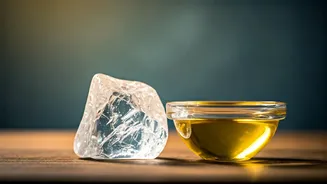
Across the internet, particularly within Indian online communities, a compelling hair care method has gained traction: blending Fitkari, commonly known
as alum, with a nourishing base oil like coconut oil. While this mixture isn't a direct stimulant for hair follicles, its true power lies in its remarkable ability to thoroughly cleanse the scalp. This deep purification tackles common issues like dandruff and excessive oiliness, thereby establishing a healthier scalp foundation. By addressing these underlying problems, the scalp becomes a more hospitable environment, reducing premature hair shedding and consequently giving the appearance of accelerated hair growth. It's important to note that experts suggest using this potent combination sparingly to achieve the best possible outcomes and avoid any adverse effects.
Understanding Fitkari's Role
Fitkari, scientifically known as Potassium Aluminum Sulfate, is a mineral salt renowned for its potent astringent and antiseptic qualities. Barbers have historically utilized its skin-tightening and antibacterial properties to soothe minor cuts and nicks. When applied to the scalp, Fitkari performs a similar function, acting as a deep-cleansing agent. It effectively strips away excess sebum, combats the fungal infections responsible for dandruff, and calms minor scalp irritations. This thorough cleansing process is crucial because a congested scalp can impede healthy hair growth and lead to increased shedding. By sanitizing and balancing the scalp environment, Fitkari creates the conditions necessary for hair to remain anchored and grow robustly.
Coconut Oil: The Perfect Partner
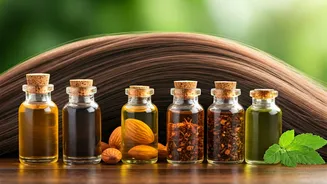
Coconut oil holds an esteemed position in traditional Indian hair care practices, celebrated for its ability to penetrate the hair shaft, unlike many other oils that merely coat the surface. When combined with powdered Fitkari, the coconut oil serves as a vital buffer. Alum, on its own, can be intensely drying, potentially leaving the scalp parched and irritated. The moisturizing and nourishing properties of coconut oil are essential for counterbalancing the drying effects of Fitkari, creating a harmonious blend. This synergy ensures that while the alum purifies, the coconut oil provides essential hydration and nutrients, preventing the scalp from becoming overly dry or brittle, thus making the treatment more comfortable and beneficial.
Hair Retention, Not Growth
It's crucial to clarify that Fitkari, even when mixed with coconut oil, does not directly stimulate new hair growth in the way pharmaceutical treatments might. It doesn't magically reactivate dormant hair follicles. Instead, its primary benefit is in promoting hair retention. Many instances of hair loss are not due to a lack of growth but rather premature shedding caused by an unhealthy scalp environment. A scalp burdened by dandruff, excess oil, or bacterial buildup hinders the vitality of hair roots. By cleansing this 'soil,' the Fitkari and coconut oil mixture allows existing hair to thrive and reduces falling out. When your hair stops shedding excessively because your scalp is healthy, it naturally creates the perception of faster hair growth.
Application and Precautions
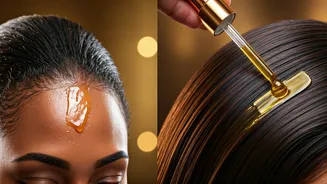
If you intend to try this method, remember that moderation is key when working with Fitkari. The ingredient should be finely powdered to avoid any abrasive action on the scalp. A recommended ratio involves mixing a small pinch, approximately 1/4 teaspoon, of powdered Fitkari into two tablespoons of warm coconut oil. Gently massage this mixture into the scalp and allow it to sit for about 20 to 30 minutes before washing it out thoroughly with a mild shampoo. It is essential to exercise caution, especially if you have a naturally dry or sensitive scalp, as Fitkari can potentially cause redness or hair brittleness if overused. Consider this a monthly deep-cleansing treatment rather than a regular part of your hair care regimen. True hair health is a holistic endeavor, encompassing diet, stress management, and genetics, far beyond any single product or mixture.