





Dosa's Ancient Roots
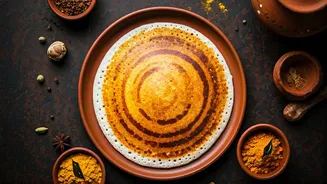
The spotlight recently fell on the rich history of the humble dosa, with TasteAtlas acknowledging its origins dating back to the 8th century. This recognition
serves as a powerful reminder of the deep historical roots embedded within Indian culinary traditions. It's not just about a popular dish; it's about understanding the evolution of food practices and the longevity of certain gastronomic techniques that have traversed centuries. This ancient lineage of the dosa suggests a sophisticated understanding of ingredients and preparation methods that were prevalent even in medieval times, predating many contemporary culinary norms. The acknowledgment by a global platform like TasteAtlas underscores the significance of preserving and celebrating these historical culinary legacies, which form an integral part of India's cultural identity and gastronomic heritage. It prompts a deeper appreciation for the dish beyond its modern iterations and encourages exploration into its original preparation and cultural context.
Chefs Reviving Traditions
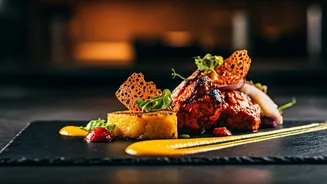
Inspired by such historical revelations and a growing appreciation for authentic flavors, a dedicated cohort of Indian chefs is embarking on a mission to revive forgotten culinary treasures. These chefs are delving into dusty cookbooks, consulting with elders, and undertaking extensive research to unearth recipes that have faded from the mainstream. Their efforts are not merely about replicating old dishes but about understanding the context, the ingredients, and the techniques that made them unique. This involves sourcing heritage grains, forgotten spices, and traditional cooking methods, often requiring a departure from modern shortcuts. They aim to present these historical dishes with both authenticity and contemporary appeal, ensuring that these culinary narratives are not lost to future generations. This movement signifies a conscious effort to preserve the diversity of Indian cuisine and to honor the culinary wisdom passed down through ages.
Culinary Heritage Exploration
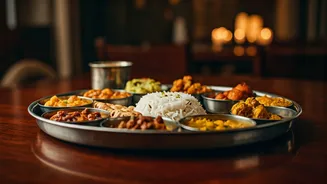
The renewed interest in ancient Indian food practices extends beyond just bringing back old recipes; it's about a holistic exploration of culinary heritage. Chefs are looking into regional variations, lost fermentation techniques, and forgotten preservation methods that were once crucial for survival and sustenance. This involves understanding the seasonal availability of ingredients, the philosophical underpinnings of certain food combinations, and the cultural significance attached to specific dishes. For instance, rediscovering indigenous varieties of rice or millets, understanding the science behind traditional fermentations like idli or dosa batter, and re-learning ancestral cooking techniques such as slow-cooking over embers or using clay pots, are all part of this revival. This deeper engagement allows for a more nuanced and respectful reinterpretation of historical cuisines, ensuring that the essence and integrity of the original dishes are maintained while making them accessible and appealing to a contemporary palate. This commitment to historical accuracy and cultural context is pivotal in safeguarding India's diverse gastronomic legacy.