




The Ownership Difference
There's a world of distinction between children who occasionally lend a hand and those who genuinely feel responsible for tasks around the home. While
helping often stems from direct instruction, true responsibility arises when a child internalizes certain duties as their own. This subtle shift in perspective profoundly impacts how they are raised. Many parents, out of convenience or a desire to save time, end up completing tasks for their children that the kids are perfectly capable of doing themselves. This includes everything from packing school bags and tidying rooms to remembering homework assignments. Although this approach makes daily life smoother for the child, it inadvertently means they aren't actively steering their own lives; instead, someone else is doing it for them. This constant external management hinders the development of self-reliance and a proactive mindset.
Small Chores, Big Impact
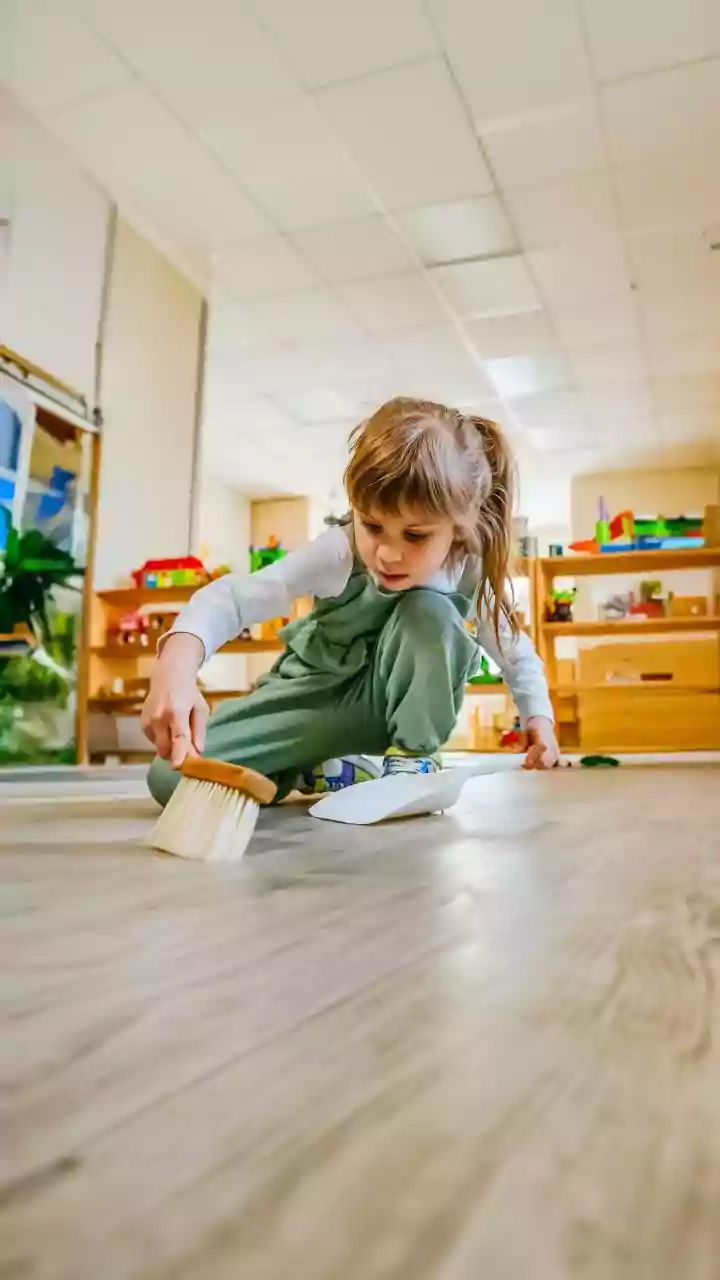
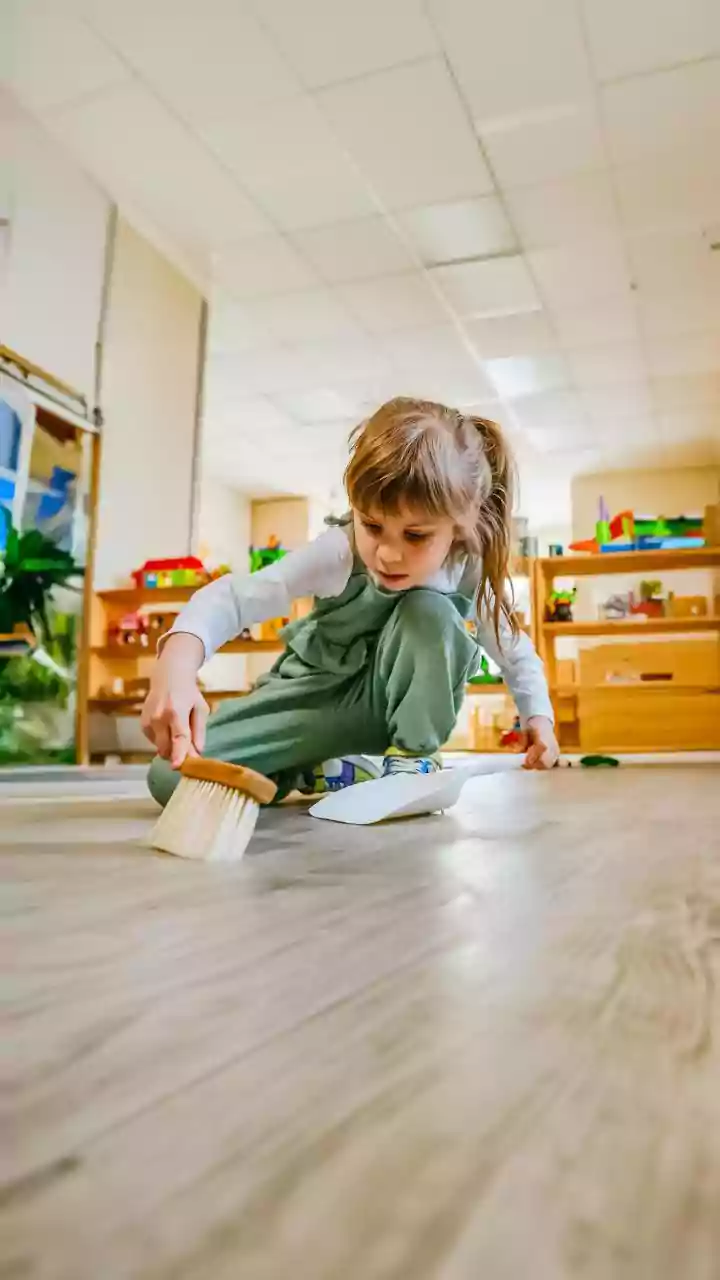
True ownership isn't instilled through verbal commands like 'be responsible.' Instead, it blossoms when a child understands that certain outcomes depend directly on their actions. These responsibilities don't need to be monumental; they can be incredibly simple. Consider tasks like watering the plants each evening, ensuring the pet is fed, packing their own school bag, or diligently placing their shoes in their designated spot. Even folding their own clothes contributes to this crucial developmental process. While these activities might seem ordinary, they impart a significant lesson: these are their duties, and if they are not performed, the task won't be completed. This understanding is the bedrock upon which accountability is built, shaping them into capable individuals.
Building Habits for Life
When a child consistently waters plants, they begin to grasp the concept of routine and dependability. Packing their own bag teaches them the tangible meaning of responsibility. Experiencing the natural consequences of forgetting something, such as not having a necessary item for school, helps them understand accountability. These powerful life lessons are not learned through abstract lectures but are forged through the consistent execution of small, everyday actions. Children who are perpetually told what to do often grow up waiting for instructions, lacking the initiative to identify and complete tasks independently. They develop a mindset where they expect external prompting rather than seeing a need and acting upon it.
Fostering Independent Thinkers
Children who are entrusted with minor responsibilities from an early age begin to perceive the world and their role within it differently. They start to notice tasks that need doing and take action without being asked, recognizing that their contributions are valuable. They understand that a household functions harmoniously because everyone contributes, rather than relying on a single individual to manage everything. Nurturing responsible children isn't about delivering stern talks or frequent admonishments; it's about integrating small, daily duties into their routine until they become ingrained habits. Tasks like tending to plants, packing their belongings, putting things away, assisting around the house, and managing their own schoolwork are all vital steps in cultivating a strong sense of personal ownership.
The Power of Self-Reminders
Once a child internalizes the concept of ownership over their tasks and belongings, a remarkable transformation occurs. The need for constant reminders from parents begins to diminish significantly. Instead, they start to develop their own internal prompts, remembering what needs to be done and taking initiative. This shift signifies true independence and self-reliance, preparing them for greater challenges and responsibilities as they grow. It's a testament to the power of consistent, age-appropriate duties in shaping well-rounded, proactive individuals who are ready to navigate life with confidence and competence.