






Sour Curd Savvy
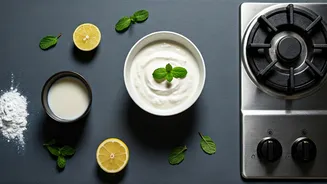
Don't discard that slightly sour curd! Its tangy flavor can be a secret weapon in the kitchen. It's perfect for tenderizing meat marinades, adding a zesty
kick to doughs for rotis or parathas, or even creating a creamy base for raita when mixed with other ingredients. For a more subtle application, a small amount can enhance the richness of lentil dishes like dals. You can also use it to prepare a refreshing buttermilk or lassi by diluting it with water and adding a touch of sweetness or spices. Even baking benefits from its acidity; it can act as a leavening agent when combined with baking soda, producing a lighter texture in cakes and muffins. Furthermore, it can be a natural cleaning agent for brass and copper items, its acidity helping to remove tarnish and restore shine. These six versatile uses ensure that no drop of your curd goes to waste, turning a potential discard into a culinary or household asset.
Sparkling Cutlery Secrets
Achieve gleaming cutlery without harsh chemicals by using common household items. Baking soda, when made into a paste with a little water, can gently scrub away stubborn food residues and tarnish. For a deeper clean and shine, soak your cutlery in a solution of warm water and a few tablespoons of white vinegar for about an hour, then rinse and dry thoroughly. Lemon juice is another excellent natural polish; rub half a lemon over the surface of your cutlery to remove water spots and restore its luster. Even a bit of toothpaste can work wonders – apply a small amount to a soft cloth and buff your silverware until it shines. For particularly stubborn stains or discoloration on stainless steel, a paste of salt and lemon juice can be effective. Remember to always rinse and dry your cutlery completely after cleaning to prevent water spots and maintain its brilliance.
Odor-Absorbing Solutions
Combat unpleasant washroom odors using simple kitchen staples. Activated charcoal is a highly effective odor absorber; place a small bowl of it in the bathroom to neutralize smells. Coffee grounds, once dried, can also be placed in an open container to soak up lingering odors. Baking soda is another versatile deodorizer; sprinkle it on carpets or upholstery and vacuum it up after a few hours, or leave an open box in the bathroom to absorb smells. Even a bowl of white vinegar left overnight can significantly reduce offensive odors. For a more pleasant scent, consider placing a few drops of essential oils like lavender or eucalyptus on cotton balls and tucking them away discreetly. These methods offer natural and inexpensive ways to keep your bathroom smelling fresh and clean.
Bread Pudding Comfort
Bread and Butter Pudding is a classic comfort dessert that transforms stale bread into a delightful treat. The fundamental principle involves soaking day-old bread, often buttered, in a rich custard made from eggs, milk, and sugar. Flavorings like vanilla extract, cinnamon, nutmeg, and sometimes even citrus zest are commonly incorporated to enhance the taste. Raisins or other dried fruits are frequently added for bursts of sweetness and texture. The mixture is typically baked in a dish until it's golden brown and the custard has set, creating a wonderfully soft and custardy interior with a slightly crisp top. Serving it warm, perhaps with a drizzle of cream or a scoop of ice cream, elevates this simple dessert to a truly satisfying indulgence. It's a perfect example of how to repurpose ingredients that might otherwise be discarded.
Coffee Maker Brilliance
Keeping your coffee maker clean is crucial for both taste and longevity. A simple yet effective method involves using a mixture of equal parts white vinegar and water. Fill the water reservoir with this solution and run a brew cycle, allowing the vinegar to work its magic on the internal components, dislodging mineral deposits and coffee residue. After the cycle is complete, discard the vinegar solution and run at least two more cycles using only clean water to thoroughly rinse out any vinegar taste or smell. For stubborn buildup, you might need to repeat the process. Don't forget to also clean the carafe and filter basket with warm, soapy water after each use. Regular descaling with this vinegar method ensures your coffee always tastes fresh and prevents potential damage to the machine.
Curd Setting Techniques
Creating perfect curd at home without a traditional starter is surprisingly achievable with a few alternative methods. One effective technique involves using a spoonful of already made yogurt from a trusted source; the active cultures in this yogurt will propagate in the warm milk. Another approach is to utilize a small piece of a sour lime or lemon rind, as its natural acidity can help in the setting process, though this might impart a slight tang. If you have access to a store-bought probiotic capsule, its contents can also serve as a starter, providing the necessary live cultures. In a pinch, a bit of leftover buttermilk, which contains the same beneficial bacteria, can also be used to inoculate warm milk. Ensure the milk is adequately warm (not too hot to kill the cultures, nor too cool to inhibit their growth) and keep the mixture undisturbed in a warm place until the curd sets.
Breadcrumb Innovations
Breadcrumbs are more than just a coating for fried items; they offer a versatile texture and binding capability in the kitchen. They can be used to create a crispy topping for gratins and casseroles, adding a delightful crunch that contrasts with softer ingredients. Mixed with herbs and spices, they form the base for meatballs or meatloaf, helping to bind the ingredients and add structure. You can also toast breadcrumbs with a little butter or oil until golden brown to sprinkle over salads or pasta dishes for added texture. In desserts, they can be incorporated into the base of cheesecakes or pies, providing a sturdy foundation. Furthermore, they can be used to thicken sauces or soups, absorbing excess liquid and adding body to the dish. These interesting applications showcase how breadcrumbs can elevate both savory and sweet creations.
Bitter Gourd Basics
Transforming the inherent bitterness of bitter gourd (karela) into a palatable dish is an art. One common method involves salting thinly sliced pieces of karela and letting them sit for about 30 minutes to draw out the bitter juices, then squeezing them dry before cooking. Blanching the slices in boiling water with a pinch of salt and a teaspoon of sugar or turmeric can also significantly reduce bitterness. Soaking the sliced gourd in yogurt or buttermilk for a few hours before cooking is another effective technique, as the dairy helps neutralize the bitter compounds. Some recipes suggest adding a bit of jaggery or a sweetener during the cooking process to balance the flavor. Combining karela with other ingredients that have strong, complementary flavors, such as onions, garlic, ginger, or tamarind, can also help mask its bitterness.
Lumpy Curry Fixes
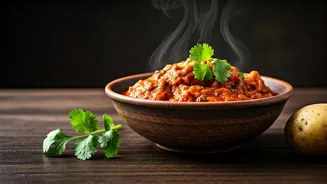
Dealing with a lumpy curry can be frustrating, but there are several straightforward solutions to achieve a smooth, desirable consistency. If the lumpiness is due to excess flour or cornstarch, you can try carefully straining the curry through a fine-mesh sieve. For smoother results, whisking in a small amount of lukewarm water or broth, a little at a time, can help break down the lumps. If the issue stems from curd being added without proper whisking, vigorously whisking the curry directly in the pot can often smooth it out. Alternatively, you can carefully transfer the curry to a blender or use an immersion blender to process it until completely smooth, then return it to the pot to reheat gently. Another effective method is to stir in a dollop of sour cream, heavy cream, or coconut milk, which can help emulsify the sauce and create a richer, smoother texture.
Safe Pressure Cooker Use
Mastering the use of a pressure cooker enhances cooking efficiency while ensuring safety. Always ensure the pressure cooker is clean and that the rubber gasket and steam vent are free from any debris before each use. Never overfill the cooker; adhere to the manufacturer's guidelines, typically filling it no more than two-thirds full for most foods, and even less for items that expand, like grains or legumes. Make sure the lid is securely locked before bringing the cooker up to pressure. Once cooking is complete, allow the pressure to release naturally or follow the quick-release method as specified for your recipe, but never force the lid open while the cooker is still pressurized. Regularly inspect the safety valve and gasket for any signs of wear or damage, replacing them as needed to maintain optimal performance and safety.