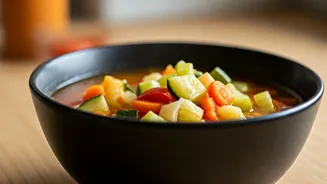

Feeling Full Faster
The remarkable impact of vegetable soup on weight loss is primarily rooted in its capacity to induce feelings of fullness. This is largely because soup has
a high water content and a substantial volume, which effectively occupies space in your stomach. When you consume a bowl of soup before your main course, you are already consuming a significant amount of food with fewer calories. This leads to a sensation of satiety, making you less likely to overeat during the subsequent meal. It is a simple yet effective strategy for portion control, enabling you to reduce your overall calorie intake without feeling deprived. The fiber present in the vegetables further enhances this feeling of fullness, slowing down digestion and keeping you satisfied for a longer period. This simple habit supports a healthy eating pattern, making it easier to stick to your weight loss goals.
Low-Calorie Powerhouse
Vegetable soups are inherently low in calories, provided they are prepared with a focus on vegetables and lean broths rather than creamy or high-fat additions. This characteristic makes them an ideal choice for anyone aiming to lose weight or maintain a healthy weight. Vegetables, the primary ingredient, are naturally rich in essential nutrients, vitamins, and minerals. When you consume vegetable soup, you're not only filling yourself up with a low-calorie meal, but you're also providing your body with a wealth of vital micronutrients. The focus should be on clear broths, and a diverse array of non-starchy vegetables. This approach guarantees that you're getting a nutritious and filling meal. Therefore, vegetable soup supports weight loss through both its low-calorie profile and the beneficial nutritional value it imparts to your body.
Boosting Nutrient Intake
Beyond its impact on calorie intake, vegetable soup plays a crucial role in enhancing your overall nutritional intake. Vegetable soups provide a concentrated source of essential vitamins, minerals, and antioxidants. These are crucial for a variety of bodily functions, including boosting metabolism and supporting the immune system. By consuming a wide variety of vegetables in your soup, you can ensure that you're getting a broad spectrum of nutrients. These nutrients aid in maintaining optimal health. Additionally, the fiber content in vegetables helps in digestion, and the absorption of nutrients. Regularly consuming vegetable soup helps your body to receive the necessary fuel to function at its best, supporting everything from energy levels to disease prevention, thus promoting long-term health and wellness as part of a balanced diet.
Practical Soup Strategies
Incorporating vegetable soup into your daily routine is an accessible and delicious approach to support your weight loss efforts. The simplest method is to consume a bowl of vegetable soup approximately 15-20 minutes before your main meal. This gives the soup time to fill you up, reducing your appetite for the subsequent dishes. Opt for homemade soups to have complete control over ingredients, ensuring minimal added fats, sodium, and unnecessary calories. Focus on a variety of non-starchy vegetables such as broccoli, spinach, carrots, and bell peppers. Experiment with spices and herbs to enhance flavor without adding extra calories. Even a small portion of vegetable soup can make a noticeable difference. Consistency is important, so making vegetable soup a regular part of your pre-meal ritual can significantly contribute to your weight management goals.
Soup as a Habit
Making vegetable soup a staple in your diet offers an effective and sustainable approach to weight management and overall health. As you begin to incorporate soup before meals, you'll start to recognize the benefits: reduced cravings, controlled portions, and a greater awareness of your body's hunger cues. This dietary shift can encourage a healthier relationship with food. The regular consumption of vegetable soup is more than just a weight loss strategy; it fosters a positive mindset around eating. It focuses on nourishment and enjoyment, making the process of adopting healthier eating habits more pleasant and less restrictive. This makes the habit of eating soup before meals a worthwhile addition to a sustainable and balanced lifestyle.












![[WATCH] 'Real Madrid, Ramadan and rest' - Mohammed Siraj how last-minute World Cup call-up changed February plan](https://g-mob.glance-cdn.com/public/fc/image/ByYT_LEmlrD0.webp)