



Embracing Indian Cuisine
Indian cuisine, celebrated globally for its rich flavors and diverse ingredients, offers numerous health benefits, making it an excellent choice for seniors.
Many traditional Indian spices possess anti-inflammatory properties and can aid digestion. This article highlights ten easy-to-prepare recipes, carefully selected to be gentle on the digestive system, while still offering the authentic taste of India. These dishes prioritize fresh ingredients, balanced nutrition, and reduced complexity, ensuring a delightful culinary experience for seniors. The recipes range from breakfast options, like a light upma or idli, to fulfilling dinner choices, such as dal and vegetable curries. Each recipe emphasizes the importance of using fresh, seasonal produce, which enhances both the flavor and nutritional value of the meals. The goal is to provide seniors with a diverse menu that supports their health and brings the joys of Indian food to their table without added complexities.
Simple Breakfast Delights
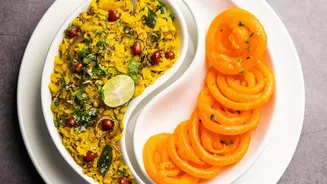
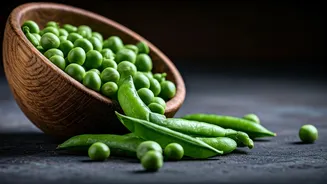
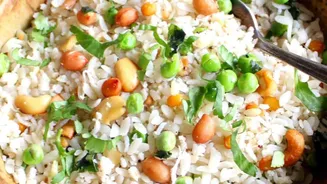
Starting the day with a nourishing breakfast is vital for seniors. One excellent choice is Upma, a semolina-based dish that’s easy to prepare and digest. It's often flavored with vegetables like peas and carrots, providing fiber and essential vitamins. Idli, a steamed rice cake, is another fantastic option; it's light, easily absorbed by the body, and served with a variety of chutneys. Another simple recipe is Poha, made from flattened rice, tempered with mustard seeds, curry leaves, and a sprinkle of turmeric. It's quickly cooked and can be customized with peanuts and vegetables, offering a balance of carbohydrates and healthy fats. These breakfast recipes are designed to be quick and easy, ensuring seniors can enjoy a nutritious and satisfying start to their day. They can be prepared with minimal effort and are adaptable to individual preferences, making them ideal for daily consumption.
Lentil-Based Wonders
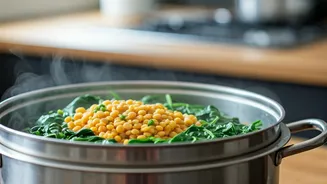
Lentils, or dals, are a cornerstone of Indian cuisine and are packed with protein and fiber, making them highly beneficial for seniors. Masoor dal (red lentils) is particularly easy to digest and cooks quickly, requiring minimal preparation time. To prepare, simply rinse the lentils and simmer them with water and spices until soft. Chana dal (split chickpeas) is another hearty option that, when cooked properly, provides sustained energy throughout the day. You can prepare it as a simple dal with a tempering of cumin seeds and garlic, or add it to vegetable curries. Another great recipe is Moong dal, which is known for its light texture and easy digestibility. All these lentil-based dishes offer a perfect combination of flavor, nutrition, and convenience, making them ideal for seniors' diets. They can be served with rice or roti for a complete and satisfying meal.
Vegetable Curry Creations
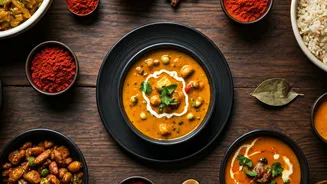
Vegetable curries offer a fantastic way to include a wide range of essential nutrients in seniors' diets. A simple potato and cauliflower curry, seasoned with turmeric, ginger, and garam masala, provides both flavor and vitamins. Another popular choice is a mixed vegetable curry, which can include beans, carrots, peas, and other seasonal vegetables. These dishes can be customized to suit individual tastes and dietary needs. Palak Paneer (spinach and cottage cheese) is another favorite, combining the benefits of spinach with the protein of paneer. The key to making these curries suitable for seniors is to ensure the vegetables are cooked until tender, making them easy to chew and digest. Using minimal oil and focusing on fresh, flavorful ingredients ensures these curries are both healthy and delicious. Served with rice or roti, these curries create well-rounded meals for seniors.
Rice and Accompaniments
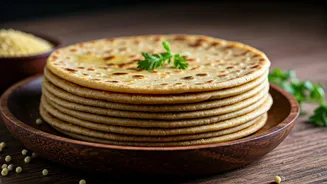
Rice is a staple in many Indian meals and a good source of carbohydrates for seniors. Plain boiled rice is a simple option that complements various dishes, and is easy to digest. Khichdi, a one-pot meal made with rice and lentils, is another nutritious and easily digestible choice, ideal for seniors with sensitive stomachs. For a more flavorful meal, try jeera rice (cumin rice), which adds a pleasant aroma and taste. Roti, a whole-wheat flatbread, is a great accompaniment to curries and dals; it provides fiber and helps to keep you full. Softly cooked roti is easier to chew. These rice and accompaniment options ensure a complete and satisfying meal, providing the necessary nutrients while being gentle on the digestive system. These side dishes add variety and balance to the main course, making meals more enjoyable for seniors.
Soups and Broths
Soups and broths are incredibly beneficial for seniors, as they are light, hydrating, and often easy to digest. A simple tomato soup, seasoned with herbs and spices, can provide a good dose of vitamins and antioxidants. Vegetable broth, made by simmering various vegetables, offers essential nutrients and hydration, and can be consumed on its own or as a base for other dishes. Mulligatawny soup, a lentil-based soup with a blend of spices, is another great choice, providing protein and fiber. These soups are not only nutritious but also comforting and warming. They are particularly beneficial for those experiencing reduced appetite or having difficulties with chewing. Soups are often easier to consume and can be an excellent way to ensure proper hydration and nutrient intake for seniors.
Spice Level Considerations
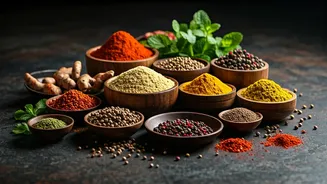
When preparing food for seniors, it is important to carefully manage the spice levels. While Indian cuisine is known for its flavorful spices, reducing the amount of chili and other hot spices can make meals more comfortable for seniors. Start with a small amount of chili and adjust to individual preferences. Ginger, turmeric, and coriander are flavorful spices that offer many health benefits, without adding excessive heat. Adding a pinch of asafoetida (hing) to dishes can aid digestion. It is also important to consider the overall balance of flavors, ensuring that the dishes are both tasty and gentle on the stomach. The goal is to provide flavorful meals that are enjoyable, without causing any discomfort. Taste-testing the dishes and adjusting the seasoning accordingly is essential to cater to the specific needs of each senior.
Texture and Preparation
Texture plays a key role in the enjoyment and ease of consumption of meals for seniors. It is very important that vegetables and other ingredients should be cooked until tender, ensuring they are easy to chew and digest. Avoid tough or fibrous foods. Pureeing some of the dishes, such as soups and some vegetables, may also be helpful for those with chewing difficulties. Incorporating soft foods such as well-cooked rice, lentils, and easily mashed vegetables, is important. You can use methods like pressure cooking or slow cooking to soften ingredients and enhance flavors. Careful preparation is key to making meals enjoyable and safe for seniors, ensuring that each bite is easy to manage and provides a pleasurable eating experience.
Hydration is Crucial
Maintaining proper hydration is essential for seniors' health. Alongside the meals, ensure that plenty of water, herbal teas, and diluted fruit juices are available. Soups and broths can also contribute to fluid intake. Encouraging seniors to drink regularly throughout the day helps prevent dehydration and supports various bodily functions. It's important to provide options that are appealing and easy to consume. Reminding seniors to drink fluids throughout the day and offering refreshing options like infused water or buttermilk can make hydration a more enjoyable experience. Ensuring adequate fluid intake supports overall well-being and helps seniors maintain their energy levels and health.
Adapting and Personalizing
These ten recipes serve as a foundation, however, it is essential to adjust them to fit individual preferences and dietary needs. If someone has any allergies or intolerances, carefully substitute ingredients. Encourage seniors to share their preferences and favorite foods, and incorporate their choices into the meal plan. Consulting with a healthcare professional or a registered dietitian can provide tailored recommendations, especially for those with specific health conditions. Regularly seek feedback on meals, and adjust the recipes accordingly to ensure maximum enjoyment and nutritional benefits. Personalizing the meals ensures that seniors not only eat well but also enjoy their food and maintain their overall health and well-being.