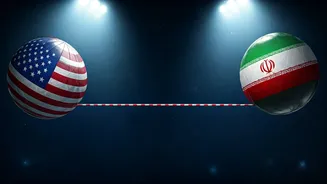

Simmering Geopolitical Tensions
The backdrop for these discussions is a geopolitical landscape marked by escalating tensions. Iran had been experiencing significant internal turmoil,
and the US maintained its position of closely monitoring the events. The White House, at that time, made it clear that it was analyzing the situation meticulously and had a range of options available. This included both diplomatic avenues and the more aggressive possibility of military intervention. The core principle being followed was that of safeguarding American interests and maintaining regional stability, all while making calculated moves to secure these goals. The implications of this stance were far-reaching, setting the stage for a period of heightened uncertainty. These conditions created a complex and volatile situation requiring careful management.
‘All Options on the Table’
The White House's declaration of having 'all options on the table' in addressing the situation in Iran was a strong signal. This statement was a clear indication that the US was not ruling out any approach. The intention was to show the US's resolve. This approach was designed to act as a deterrent to Iran, while giving the US the flexibility to address the situation in multiple ways. The diplomatic framework combined with the threat of military action was an attempt to influence Iran's actions. The precise interpretation of 'all options' was a source of discussion. It included everything from intense diplomatic pressure to the use of military force. This strategy reflected a balancing act between de-escalation and readiness to act in defense of its national interests. This policy signaled a hard line on any perceived threats.
Diplomacy vs. Force
The situation between the United States and Iran highlights the tension between diplomatic efforts and the potential use of military force. While diplomacy allows for dialogue and negotiation, it can be slow and may not always yield results. On the other hand, the threat of force can be a powerful tool for deterrence. This strategic dilemma is a crucial aspect of the current US-Iran relationship. The balance between these methods determines the path forward. Policymakers must continually evaluate these approaches. Finding the right balance between these approaches is crucial.
Strategic Considerations
The decision-making process concerning the US's approach to Iran involved multiple strategic aspects. The White House had to consider the potential consequences of any actions, including military strikes. There were regional implications, which were considered very important. The US also had to keep in mind its relationships with its allies and global interests. This complexity required a nuanced understanding of the dynamics at play. Each possible action had its own advantages and disadvantages. These considerations were crucial in shaping the US's response. Effective foreign policy required a delicate balancing act.