


Occasion to Street Style
The landscape of Indian fashion accessories has undergone a remarkable transformation, moving from strictly ceremonial or celebratory wear to becoming
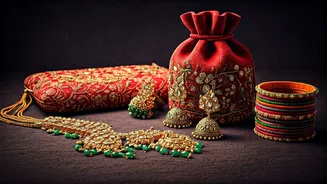
integral parts of daily ensembles. Historically, elaborate jewelry like jhumkas and temple pieces, alongside ornate scarves and waist chains, were reserved for highly significant events such as weddings or festivals. However, this strict hierarchy has dissolved, allowing these culturally rich items to transition into casual settings like coffee shops, educational institutions, airports, and even workplaces. This movement signifies a profound change where traditional adornments are no longer waiting for a special invitation but are actively integrated into everyday, off-duty aesthetics, demonstrating a new freedom in styling and personal choice.
Modernizing Tradition
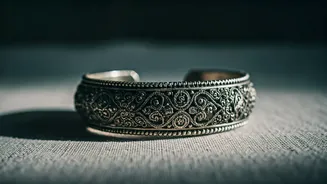
Accessories steeped in centuries of history, traditionally considered sacred temple jewelry and worn only during auspicious occasions, are now being reinterpreted for contemporary life. Items such as nath (nose rings), haathphools (hand harnesses), ear cuffs, and waist chains, once deemed too elaborate or significant for daily use, are now visible everywhere, often styled with non-traditional attire like jeans. A key driver of this shift is the de-emotionalization and informalization of the meaning behind these pieces. Younger generations are increasingly styling waist chains with low-rise jeans, effortlessly merging heritage influences with a modern, individualistic style. This reflects a fashion philosophy where personal expression and authenticity take precedence over rigid rules, allowing for the curation of unique looks that resonate with individual personalities.
Dupattas: A Versatile Staple
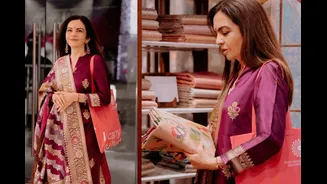
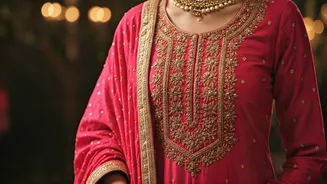
The dupatta, often referred to globally as 'Scandinavian scarves,' has experienced a significant resurgence, moving beyond its traditional role to become a highly versatile fashion item. Its effortless integration into diverse styles, from high-fashion runways to everyday street wear, highlights its adaptability. There is no longer a single prescribed method for styling a dupatta, making it an exciting piece for creative expression. Whether used as a chic cover-up during a commute, a head wrap for sun protection, layered over denim for a relaxed vibe, or paired with formal attire for a touch of elegance, the dupatta's utility is boundless. Its vast array of prints, patterns, fabrics, and colors allows it to transcend traditional or occasion-specific dressing, establishing it as a statement piece and a crucial element in modern cultural fashion reclamation.
The Bindi's Revival
The humble bindi, once primarily a ceremonial or cultural marker, is undergoing a notable fashion rebrand, re-emerging as a stylish, casually worn accessory. This revival is particularly interesting because its modern application diverges significantly from traditional styling. The contemporary bindi is often characterized by small, minimalist dots, frequently in maroon, paired unexpectedly with casual outfits. These ensembles can include tank tops, silver hoop earrings, cargo pants, vintage sunglasses, and relaxed silhouettes, creating a look that feels more akin to a curated Pinterest aesthetic than traditional festive attire. This juxtaposition highlights the bindi's transformation into a contemporary style statement, adaptable to hyper-casual settings.
Bold Bags with Flair
Beyond jewelry, accessories like 'chatpata' bags are injecting Indian heritage with a vibrant, 'desi main character' energy into modern fashion. These aren't just ordinary bags; they encapsulate the essence of traditional potli bags but are reimagined with unique ethnic prints, patterns, and a medley of styles. They masterfully blend heritage craftsmanship with contemporary design through bold elements like vibrant prints, mirror work, brocade fabrics, intricate patchwork, playful tassels, embroidery, and beadwork. Unexpected color combinations are also prevalent, instantly elevating even the simplest outfits. Some designs lean heavily into vintage Indian aesthetics, while others reinterpret traditional craftsmanship using modern silhouettes such as shoulder bags and baguettes, adding personality and drama to reflect a sense of maximalist Indian style.
Reclaiming Ethnic Footwear
The resurgence of ethnic Indian footwear, including juttis and mojaris, is a significant aspect of this heritage accessory trend, extending beyond local artisans to major fashion players. Prominent fashion brands, luxury labels, and celebrities have embraced the charm of these traditional shoes, elevating them to fashion staples rather than mere cultural afterthoughts. Examples range from designer interpretations of Kolhapuri chappals to intricately hand-embroidered juttis, showcasing ethnic footwear as a global fashion phenomenon. Their appeal lies in their versatility, instantly adding personality and a sense of heritage to simple outfits. Whether adorned with mirror work, zari, pearls, or modern prints, these shoes demonstrate that traditional fashion can evolve and remain relevant without losing its intrinsic essence.