






The Dairy Champion
When aiming to improve cholesterol levels, you might wonder about dairy's place in your diet, especially since some products like cheese and ice cream
are known for their saturated fat content. However, recent nutritional understanding reveals that not all dairy is created equal when it comes to heart health. Unflavored, low-fat milk stands out as a particularly beneficial choice. Expert insights suggest that milk can indeed be a valuable component of a heart-conscious eating plan. While milk does contain some saturated fat, it's also a significant source of essential nutrients such as B-vitamins, potassium, calcium, and magnesium, all of which play crucial roles in supporting cardiovascular well-being. The focus in dietary recommendations has shifted; while dietary cholesterol was once the primary concern, research now highlights total saturated fat intake as having a more substantial effect on blood cholesterol levels, particularly LDL or 'bad' cholesterol, which is a key risk factor for heart disease and stroke. Therefore, while still mindful of saturated fat, the broader impact of saturated fat intake is considered more critical than the cholesterol content of individual foods.
Why Low-Fat Milk Shines
Consuming low-fat dairy, including milk, shows promising results in potentially protecting against heart disease mortality, though ongoing research continues to explore this connection. One of the primary advantages of unflavored, low-fat milk is its absence of added sugars. Excessive intake of added sugars, particularly from beverages like sodas and sweetened juices, has been strongly linked to increased heart disease risk, including elevated LDL cholesterol and reduced HDL 'good' cholesterol. Milk, on the other hand, naturally contains lactose, a sugar that doesn't pose the same risks as added sugars, making it a healthier alternative to sugary drinks when you desire something beyond plain water. Furthermore, milk is a powerhouse of essential vitamins and minerals vital for a healthy heart. Regardless of whether you choose whole, reduced-fat, low-fat, or skim milk, you're getting approximately 8 grams of protein per cup, alongside 13 essential vitamins and minerals. Key among these for cardiovascular health are Vitamin D, calcium, potassium, and magnesium. These very nutrients are fundamental to dietary patterns like the DASH diet, which is specifically designed to help manage blood pressure, a crucial aspect of overall heart health.
Dietary Pairings & Integration
Low-fat milk is a remarkably versatile ingredient that pairs exceptionally well with other heart-healthy foods, particularly those rich in fiber. Incorporating fiber into your diet is a well-established strategy for managing cholesterol levels, as soluble fiber can actively bind to cholesterol in the digestive tract and aid in its removal from the body. For instance, a smoothie or protein shake made with low-fat milk, combined with plant-based protein powder and fruits, offers a delicious and nutritionally balanced, high-fiber snack. Integrating milk into your daily routine can be effortless. Consider using it as the liquid base for your morning smoothies instead of water, blending it with nutrient-dense ingredients like kale, berries, and even riced cauliflower for added protein, calcium, Vitamin D, and B vitamins. It can also enhance breakfast staples like oatmeal or chia seed pudding, providing a creamy texture and nutritional boost. For savory dishes, blending milk into homemade pasta sauces can elevate their nutritional profile, adding valuable protein and micronutrients. Serving these milk-infused sauces over whole-grain pasta and pairing with a side salad further amplifies your fiber intake.
Holistic Cholesterol Management
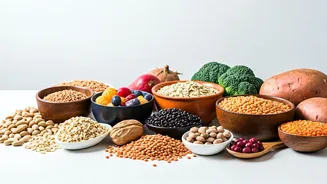
While incorporating low-fat milk is beneficial, achieving and maintaining optimal cholesterol levels involves a broader approach to dietary habits. Increasing your fiber intake remains paramount; soluble fiber, found abundantly in whole grains, fruits, vegetables, legumes, nuts, and seeds, is particularly effective at absorbing cholesterol and facilitating its excretion from the body. Aiming for foods that provide at least 1 gram of fiber for every 10 grams of total carbohydrates is a good guideline, or simply prioritizing a diverse range of plant-based foods will naturally boost your fiber consumption. Additionally, consciously reducing your intake of added sugars is crucial, as high consumption not only negatively impacts cholesterol levels but also elevates the risk for other chronic health conditions. Lastly, while sodium is essential for bodily functions like blood pressure regulation, excessive intake can increase the risk of hypertension. Instead of relying heavily on the salt shaker, explore alternative seasonings such as lemon juice and various herbs to flavor your meals, promoting better cardiovascular health through mindful sodium consumption.