







Embracing the Heat
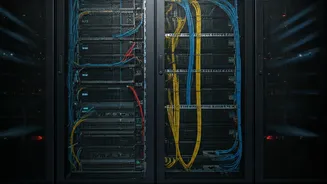
Traditionally, data centers have been designed to operate at very low temperatures, with sophisticated cooling systems using a significant amount of energy.
The push for cooler environments stemmed from concerns about hardware reliability. However, this is changing as the industry re-evaluates energy consumption and operational costs. Modern data centers are experimenting with higher operating temperatures. This transition is not merely a matter of convenience; it is a calculated move toward enhanced efficiency and sustainability. The aim is to reduce energy expenditure on cooling, consequently lessening the environmental footprint of these data-intensive facilities. Advances in hardware design, coupled with a better understanding of component durability, are making these warmer environments feasible. The shift towards higher temperatures is a testament to the ongoing evolution of data center design.
Energy Savings Unveiled
One of the most significant advantages of operating at higher temperatures is the reduction in energy consumption. The cooling systems employed in data centers can consume a substantial portion of the overall energy used. By raising the operating temperature, the demand for cooling is decreased, leading to considerable cost savings. This is particularly noticeable in regions where electricity prices are high. Studies show that even a slight increase in temperature can translate into substantial reductions in power usage effectiveness (PUE), a metric used to assess a data center's energy efficiency. Reducing PUE means less energy is spent on cooling and more is available for computing tasks. Furthermore, the decrease in cooling needs can also lessen the strain on the power grid, contributing to a more sustainable model. By implementing these measures, data centers are able to become more economically and environmentally friendly, promoting energy efficiency and lowering environmental impact.
Technological Advancements
The shift toward hotter data centers would not have been possible without technological advancements in hardware design and materials science. Manufacturers have enhanced the resilience of computer components to withstand higher temperatures without compromising performance or longevity. These improvements include the use of more robust materials, better heat sinks, and advanced thermal management techniques. Server designs are now engineered with improved airflow and heat dissipation capabilities, allowing for effective operation even under warmer conditions. Furthermore, advancements in liquid cooling systems have made it possible to extract heat more efficiently, enabling higher operating temperatures. The integration of artificial intelligence (AI) and machine learning (ML) for predictive maintenance and thermal management adds another layer of sophistication. AI algorithms can analyze real-time data to optimize cooling strategies and predict potential hardware failures, thereby further improving the efficiency and reliability of higher-temperature data centers. This seamless integration of new technologies is integral to the successful adaptation of these environments.
Impact on Sustainability
The shift to warmer data centers has a significant positive impact on the sustainability of the technology sector. By reducing energy consumption, data centers lower their carbon footprint. This aligns with the increasing global emphasis on environmental stewardship and sustainable practices. The decrease in energy usage also means less reliance on fossil fuels, if the energy grid supplying the data center is heavily dependent on them. This transition helps mitigate climate change. Furthermore, the reduction in cooling requirements means fewer resources are needed for equipment maintenance and replacement, which also lowers e-waste. This strategic change offers a tangible pathway for data centers to move toward more sustainable operations. As businesses and governments continue to prioritize environmental responsibility, the adoption of energy-efficient and eco-friendly data center practices will become increasingly crucial. The combination of these benefits ensures that the industry is aligned with future environmental goals.
Future Prospects
The trend towards higher-temperature data centers is likely to continue as technology evolves and the demand for data processing increases. We can anticipate further innovation in cooling technologies, server designs, and thermal management systems to improve efficiency and reliability. The exploration of other cooling methods, like immersion cooling, which can be even more effective at transferring heat, might become increasingly common. Moreover, as AI and ML become more integrated into data center operations, they can be utilized to further optimize energy consumption and predict equipment failures. Regulatory policies and industry standards will continue to evolve, promoting the adoption of sustainable practices and setting clear guidelines for data center operations. All of this points towards a future where data centers are more energy-efficient, sustainable, and better aligned with the needs of a rapidly changing technological landscape. This transition promises to be a key component in the long-term sustainability of the tech sector.