







Key Factors for Ventilation
Deciding whether to let the outside air in or keep it out during hot summer days hinges on a few crucial elements. Poras Pratap Singh, a leading interior
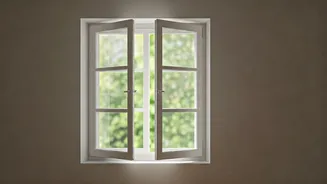
design consultant, emphasizes that the temperature outside versus inside is paramount. If the external air is pleasantly cooler, opening your windows can naturally chill your living space. Conversely, when the sun beats down and outdoor temperatures soar, especially during the hottest parts of the day, keeping your windows shut is the wiser choice to prevent the ingress of sweltering air. Beyond just temperature, other environmental influences like the direction of the wind and the presence of shade can also affect your home's internal climate. For houses that already boast good air circulation, strategically opening windows during the cooler periods of the early morning or late evening can be highly beneficial. However, in regions where humidity is high or sunlight is intense, closing windows often proves more effective in maintaining a cool and pleasant indoor atmosphere, creating a sanctuary from the external warmth.
Humidity and Temperature's Role
The level of moisture in the air plays a significant part in whether keeping windows open will genuinely cool your home. Singh points out that on hot days accompanied by high humidity, opening windows can actually make indoor conditions worse. As air laden with moisture streams into your home, it can make the atmosphere feel sticky and more uncomfortable, intensifying feelings of heat. This elevated humidity can lead to profuse sweating and make it harder for your body to cool down, underscoring why it's often better to keep windows closed and rely on air conditioning to regulate both temperature and moisture. In contrast, in drier climates, opening your windows during the cooler parts of the day, such as the early morning or late evening, can be a very effective strategy to introduce refreshing, dry air. As this cool, arid air circulates indoors, it helps to lower the internal temperature without making the space feel unpleasantly damp or clammy.
Optimal Opening Times
Timing is absolutely critical when you're trying to decide whether to keep your windows open or closed during the scorching summer months. Singh suggests that the sweet spot for opening your windows is either very early in the morning or later in the evening, periods when the outside air has naturally cooled down. This practice can help to naturally reduce the internal temperatures of your home, promoting comfort without the immediate need to switch on your air conditioning. Conversely, Singh strongly advises against this during the afternoon or midday. This is precisely when the sun is at its zenith, and the outdoor heat is at its peak intensity. By keeping your windows firmly shut during these hours, you effectively prevent the influx of hot air, thereby helping to preserve the cooler temperatures that you might have achieved earlier in the day, maintaining a more stable and comfortable indoor environment.
Fans and AC Synergy
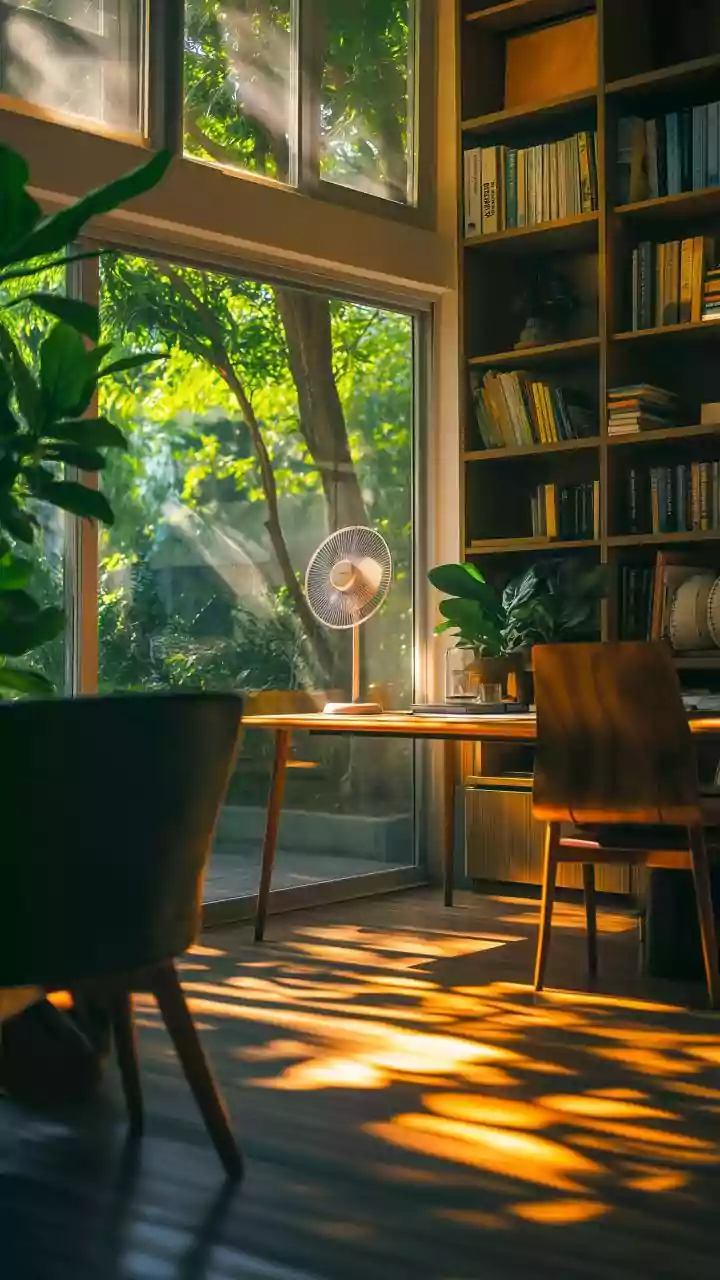
Combining the strategic use of fans or air conditioning with smart window management can dramatically enhance your home's comfort levels. Singh explains that when fans are used in conjunction with open windows, the primary objective is to generate a cross-breeze that facilitates air movement throughout the house. This method is particularly effective during those cooler hours of the day, like dawn and dusk. Placing fans strategically near windows can help draw the cooler exterior air inward while simultaneously expelling warmer interior air, fostering a more agreeable indoor climate. On the other hand, when your air conditioning system is in operation, Singh emphasizes that it is far more energy-efficient to keep all windows and doors closed. Air conditioning systems are designed to cool and remove moisture from the indoor air. If windows are left open, warm and humid external air will continuously enter, which significantly reduces the AC's effectiveness and leads to higher electricity bills. To ensure an energy-efficient and cool living space, it's best to seal your home by closing windows and checking for any air leaks.