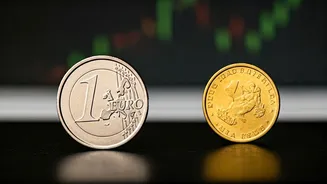

A Historic Agreement
The culmination of years of negotiation, the India-EU Free Trade Agreement (FTA) marks a significant turning point in the economic partnership between
India and the European Union. This comprehensive deal encompasses a wide range of areas, with a key focus on reducing tariffs and streamlining trade procedures. This is designed to create a more accessible and efficient market for businesses in both regions. The FTA's impact is expected to be far-reaching, influencing everything from the availability of goods and services to the overall economic climate. The government of India views this agreement as a strategic breakthrough, one that strengthens economic and political ties with the EU. This strategic positioning aims to diversify India's trade partnerships and foster a more resilient and dynamic economy.
Boosting Key Sectors
Several Indian industries are poised to benefit substantially from the India-EU FTA. Textile exports are expected to receive a major boost, with duty-free access to European markets. The agricultural sector is also optimistic, anticipating significant duty concessions for its products. In the IT sector, the agreement opens doors for expanded exports and market diversification. The automotive industry is also expected to experience both impacts and opportunities. Steel trade and cooperation in low-carbon initiatives are additional facets of the agreement. The agreement's impact will likely vary across different sectors, but the overall trend points toward increased trade, investment, and economic growth for India.
Tariffs and Access
Central to the India-EU FTA is the commitment to tariff reductions, a strategy designed to make trade smoother and cheaper. These reductions are expected to make Indian goods more competitive in the EU market, and vice versa. This improved market access should encourage greater trade volume and boost revenues for businesses. Duty-free access for textiles is one of the key provisions, and should particularly assist Indian textile manufacturers. Beyond tariffs, the agreement also addresses other trade barriers and aims to harmonize regulations to facilitate easier trade between the two regions. The details of these tariff reductions and their implementation will play a crucial role in determining the agreement's ultimate impact on various industries.
Economic and Political Ties
The India-EU FTA is expected to have far-reaching effects on the economic and political relations between the two parties. This agreement is more than just a trade deal; it also reflects a shared vision for global cooperation and stability. The increased trade and investment spurred by the FTA will undoubtedly strengthen economic ties, creating a deeper interdependence between India and the EU. Furthermore, this partnership can enhance India's strategic standing on the global stage. This deal highlights a growing convergence of interests and values, creating opportunities for deeper collaboration on key issues. The FTA's broader implications extend beyond economics, reinforcing diplomatic and strategic alignment.
Industry Reactions
The India-EU FTA has been welcomed with enthusiasm across various industry sectors. Business leaders have expressed optimism regarding the prospects for growth and expansion. They acknowledge the potential to tap into new markets and broaden their customer base. Representatives from the textile, IT, and auto industries, among others, have shared positive reactions. Many expect the agreement to create a more favorable business environment, attracting both domestic and foreign investment. The optimistic sentiments reflect a shared belief that the FTA will act as a catalyst for economic growth. The positive response from industry stakeholders underscores the significance of the agreement and its perceived benefits for Indian businesses.
Impact and Strategy
The India-EU FTA aligns with India's broader economic strategy, including the 'China+1' strategy. This initiative focuses on diversifying supply chains and reducing dependence on any single country. By forging closer ties with the EU, India can create a more resilient and flexible economic ecosystem. The agreement provides assured entry for Indian professionals, which is also a major benefit. Additionally, the FTA opens up avenues for market diversification for Indian businesses. The long-term implications of the FTA involve not only economic benefits, but also fostering strategic partnerships and strengthening India’s presence on the global stage. This strategic approach ensures long-term economic stability and opportunity.
Assam and the Future
The Indian state of Assam is also poised to benefit from the India-EU FTA. The agreement's provisions have the potential to boost economic activity in Assam's various sectors. This includes trade and investment across multiple industries in the region. The state can also benefit from the improved access to European markets, which can stimulate growth and create employment opportunities. The government's focus on inclusive growth is evident in its efforts to include all states and sectors. Assam's location and resources give it significant potential to flourish in the new trade landscape. The future holds opportunities for Assam, as it integrates more fully into the expanding economic partnership between India and the EU.