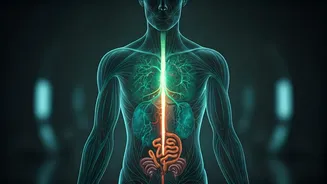








Understanding Metabolism's Role
Your metabolism is the intricate process by which your body converts consumed food and beverages into usable energy. Think of it as the engine that drives
all your bodily functions, from breathing and circulating blood to repairing tissues and even thinking. A robust metabolism ensures that your cells receive the energy they need to operate efficiently, which directly influences your daily vitality and capacity for physical and mental tasks. When your metabolism is sluggish, you might experience persistent fatigue, difficulty concentrating, and a general feeling of being drained, even after adequate rest. Conversely, a well-functioning metabolic system supports sustained energy, aids in maintaining a healthy weight, and contributes to better mood regulation. Understanding this fundamental biological process is the first step toward making informed choices that positively impact your overall health and daily performance. It's not just about burning calories; it's about optimizing your body's entire energy management system for peak functionality and vitality.
Fueling Your Engine
The food you eat plays a pivotal role in dictating the speed and efficiency of your metabolism. Consuming adequate protein is crucial because digesting protein requires more energy than digesting fats or carbohydrates, a phenomenon known as the thermic effect of food. This means your body burns more calories processing protein. Incorporating lean protein sources like chicken breast, fish, beans, and lentils into your meals can provide a significant metabolic boost throughout the day. Furthermore, don't shy away from healthy fats found in avocados, nuts, and olive oil; they are essential for hormone production and nutrient absorption, both of which support metabolic function. Complex carbohydrates, such as whole grains and vegetables, offer sustained energy release, preventing energy crashes and keeping your metabolism humming steadily. Hydration is equally vital; water is a key component in numerous metabolic reactions, and even mild dehydration can slow down your body's energy production processes. Therefore, consistently drinking enough water is a simple yet powerful way to keep your metabolic engine running smoothly and efficiently.
Movement Matters Most
Regular physical activity is a cornerstone for accelerating your metabolic rate. Engaging in both aerobic exercises, like brisk walking, jogging, swimming, or cycling, and strength training, which involves lifting weights or using resistance bands, yields the best results. Aerobic activities directly burn calories during the workout session, while strength training builds muscle mass. Muscle tissue is metabolically more active than fat tissue, meaning it burns more calories even when you're at rest. The more lean muscle you have, the higher your resting metabolic rate will be. Aim for a combination of both: perhaps 150 minutes of moderate-intensity aerobic activity or 75 minutes of vigorous-intensity activity per week, coupled with muscle-strengthening exercises at least two days a week. Even incorporating more movement into your daily routine, such as taking the stairs, standing up frequently, or going for short walks, can contribute to a more active metabolism. Consistency is key; find activities you enjoy to make it a sustainable part of your lifestyle.
Sleep and Stress
The often-overlooked factors of sleep and stress significantly influence your metabolism. Insufficient or poor-quality sleep can disrupt the hormones that regulate appetite, such as ghrelin and leptin, leading to increased cravings for unhealthy foods and potentially slowing down your metabolic rate. Aim for 7-9 hours of quality sleep each night to allow your body to repair and regulate effectively. Chronic stress is another significant metabolic saboteur. When you're stressed, your body releases cortisol, a hormone that can promote fat storage, particularly around the abdomen, and can interfere with your body's ability to process sugars. Finding effective stress management techniques is therefore crucial. Practices like meditation, deep breathing exercises, yoga, spending time in nature, or engaging in hobbies you love can help reduce cortisol levels and support a healthier metabolic balance. Prioritizing these aspects of well-being is just as important as diet and exercise for optimal metabolic function.