




Intensity and Accessibility Showdown
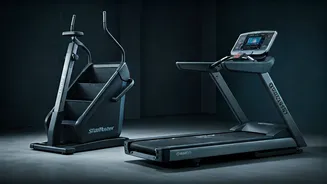
The StairMaster, with its constant upward motion against resistance, often demands higher intensity, potentially leading to greater calorie expenditure
in a shorter workout period. This makes it an attractive option for those seeking efficient fat burning. Conversely, the treadmill offers a more adaptable and accessible experience. It caters to a wider range of fitness levels, from gentle walking to vigorous running, and allows for precise control over speed and incline. While the StairMaster excels at pushing your limits quickly, the treadmill provides a more forgiving entry point and a broader spectrum of training possibilities for individuals starting their fitness journey or preferring a less demanding cardiovascular activity. The choice often hinges on personal preference and immediate fitness goals, with neither machine being universally superior.
Targeted Muscle Engagement
When it comes to muscle activation, the StairMaster distinctly emphasizes the lower body. It's particularly effective for strengthening the quadriceps, hamstrings, and glutes, making it a powerhouse for building leg strength and shaping the posterior chain. The continuous act of climbing engages these muscle groups more directly and with greater resistance than typical treadmill use. A treadmill, while still a robust cardio tool, tends to distribute the workload more broadly across the body, with the primary focus on cardiovascular health. The specific muscles engaged on a treadmill can vary significantly based on the speed, incline, and whether you're walking, jogging, or running, offering a more systemic approach to calorie burning and aerobic conditioning rather than concentrated lower-body development.
Workout Sustainability and Comfort
The sustainability of a workout is crucial for long-term adherence, and here, the treadmill often holds an advantage. Experts note that the body may recover more readily from treadmill sessions, suggesting a lower overall intensity that can be maintained for extended durations without excessive fatigue or discomfort. This makes the treadmill a more accessible option for longer cardio workouts or for individuals who find high-impact exercises challenging. While the StairMaster's intensity can yield rapid calorie burn, its demanding nature might make it harder to sustain for longer periods, especially for beginners. The key takeaway is that the most effective exercise is the one you can consistently perform without injury or burnout, making comfort and personal endurance significant factors in choosing between these machines.
Optimizing Your StairMaster Use
For those integrating the StairMaster into their fitness regimen, a strategic approach is recommended. Beginning with shorter durations, perhaps 10-15 minutes at a manageable pace, allows your body to adapt. Gradually increasing the session length to 20-30 minutes over time is advised. Aiming for three to five sessions per week can yield significant results. Rather than continuous, steady climbing, incorporating interval training—alternating between higher intensity bursts and recovery periods—can amplify calorie burn and improve cardiovascular fitness. Maintaining proper posture, such as keeping your back straight and avoiding excessive reliance on the handrails, is vital for maximizing effectiveness and preventing strain. Crucially, always listen to your body; any sign of discomfort or pain should prompt a modification or cessation of the exercise.
Weight Loss Fundamentals
The allure of the StairMaster for weight loss is undeniable due to its high-intensity capabilities. However, experts consistently remind us that no single machine is a magic bullet. The bedrock of fat loss remains a consistent caloric deficit, meaning you must expend more calories than you consume. While the StairMaster can significantly contribute to calorie expenditure, it must be paired with a balanced, healthy diet. Furthermore, the intensity and duration of your workouts, coupled with your overall daily activity level outside of exercise, play a pivotal role. Ultimately, long-term success in weight management is achieved through sustainable habits, focusing on consistent effort and an overall active lifestyle, rather than solely relying on the latest fitness trends or equipment.