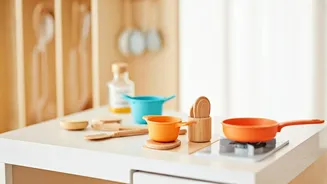







Early Learning is Key
Introducing essential skills to children at a young age provides a strong foundation for them to build upon. Starting early allows them to grasp concepts
more readily and make it a natural part of their routine. Young children are often eager to help and imitate the adults around them, which presents an excellent opportunity to introduce basic cooking, cleaning, and other household tasks. This initial exposure not only equips them with fundamental abilities but also instills a sense of responsibility and self-sufficiency, which eventually boost their confidence and make them feel empowered as they grow. Early involvement also creates opportunities for quality time and bonding with parents, making learning fun and enjoyable.
Age-Appropriate Tasks
Tailoring tasks according to a child's age is crucial for effective learning and avoiding frustration. A toddler can help with simple tasks like putting toys away or wiping spills with a cloth, whereas older children are capable of handling more complex chores such as setting the table, preparing simple snacks, or helping with laundry. Assigning tasks that match a child's developing abilities enables them to experience a sense of achievement, motivating them to learn more. It is essential to ensure that the tasks are safe and suitable for their age, providing proper guidance and supervision whenever necessary. Breaking down larger tasks into smaller, manageable steps can make it easier for children to learn and avoid getting overwhelmed. Always remember to praise their efforts and celebrate their successes to encourage them to continue learning.
Cooking Together Fun
Cooking together provides an excellent opportunity to teach children about nutrition, food preparation, and kitchen safety. Begin with simple recipes that they can easily understand and participate in, such as mixing ingredients, measuring, or decorating. Cooking helps teach children about different food groups, and the benefits of a balanced diet. It also boosts their math and reading skills through measuring ingredients and following instructions. Allow them to experiment with new flavors and involve them in age-appropriate tasks like washing vegetables, stirring ingredients, or setting the table. This builds their confidence and sparks their curiosity about food. It is also an excellent chance to bond and create lasting memories. Make sure to emphasize hygiene and safety rules, such as washing hands and using utensils properly. Celebrating their culinary creations boosts their self-esteem and creates a positive association with cooking.
Cleaning Up Fun
Involving children in cleaning tasks can cultivate a sense of responsibility and teach them the importance of maintaining a clean and organized environment. Start with simple tasks like tidying up their toys, making their beds, or dusting furniture. Provide the right tools and supplies and demonstrate how to do the tasks effectively. Make it a game or include music to make cleaning more enjoyable. You could make a chore chart with stickers as rewards, or praise them whenever they do a good job. Teaching children to clean teaches them about hygiene and respect for their surroundings. Explain why cleanliness is important for their health and well-being. By taking part in household chores, kids understand that maintaining a clean house is a shared responsibility, fostering a sense of teamwork and cooperation within the family.
Household Chores Simplified
Introduce various household chores that match the children's ages and abilities to help them develop essential life skills. For younger children, simple tasks could include putting away toys, setting the table, or helping with the laundry by matching socks. Older children can handle more complex responsibilities like washing dishes, sweeping floors, or taking out the trash. Break the chores down into smaller, manageable steps to avoid overwhelming them. Develop a consistent schedule and make the chores a part of their daily routine. Provide clear instructions and demonstrate how each task should be done, and offer help when needed. Make sure that they understand that everyone in the family has to contribute. Celebrate their efforts and provide positive reinforcement to encourage them to take pride in their work. Regular participation in these chores ensures they learn essential skills for their future.
Consistent Practice Matters
Consistency is vital to mastering any skill. Regular practice strengthens children's understanding and capability when it comes to chores. Establish a predictable routine for chores to make them a habit. Schedule specific times for cooking, cleaning, and other household tasks. When it comes to cooking, prepare meals together on a weekly basis, allowing them to participate in different stages of the process. For cleaning, assign them daily or weekly tasks like tidying up their rooms or helping with the dishes. Patience is key, especially during the initial stages of learning. Children may not perform tasks perfectly at first, so provide encouragement, guidance, and constructive feedback. Praise their efforts and celebrate their progress to boost their confidence. Encourage them to see these activities not just as chores, but as opportunities for learning and contribution.
Encouraging Independence
Teaching children life skills helps to foster their independence and self-reliance. Provide them with opportunities to make their own choices, such as choosing what to eat for snacks or what clothes to wear. Gradually increase their responsibilities, allowing them to take on more complex tasks as they grow older. This can include preparing simple meals, managing their allowance, or doing their own laundry. Offer guidance and support, but let them learn from their mistakes. Allow them to solve problems on their own. Encourage them to seek information and resources, such as cookbooks, how-to guides, and online tutorials. When they complete tasks, acknowledge their efforts and celebrate their accomplishments. This fosters self-confidence and self-sufficiency, which are crucial for success. Create a supportive environment that encourages curiosity and experimentation to help them take on more challenges and explore new interests.
Rewards & Positive Reinforcement
Positive reinforcement plays a crucial role in encouraging children's participation in chores and household tasks. Recognize and praise their efforts and accomplishments. Instead of just focusing on the end result, commend them for their effort. Provide specific feedback, such as “You did a fantastic job of setting the table; it looks great!” Instead of relying on punishments, use positive reinforcement, such as a reward chart, with stickers or small prizes for completing tasks. Make it fun and engaging, turning chores into games or challenges. Celebrate successes with outings, special activities, or small treats. This ensures that children develop a positive association with the work, making them more willing to participate and learn. Positive reinforcement encourages them to continue developing their skills and builds their self-esteem, preparing them for future life challenges.