







Bloating & Discomfort
Persistent abdominal bloating and discomfort are frequently reported issues in gastroenterology. Many individuals suspect gluten as the culprit, but experts
emphasize that this condition is often misunderstood and requires professional diagnosis before altering one's diet. Dr. Saiprasad Lad, a Consultant Gastroenterologist, notes that gluten-related symptoms frequently align with what's known as Non-Celiac Gluten Sensitivity (NCGS). Patients often present with prolonged stomach unease and significant bloating. Furthermore, some report bowel obstruction problems, particularly after consuming foods containing gluten, a protein abundant in wheat, barley, and rye. These symptoms can manifest within hours of consumption or as late as 24 hours afterward, significantly impacting daily life and well-being.
Gas & Bowel Issues
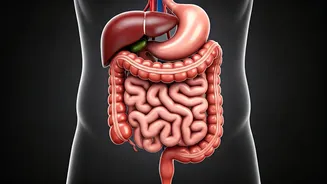
Excessive gas and irregular bowel movements, such as diarrhea or constipation, are common manifestations of gluten sensitivity. Dr. Vikram Uttam Patil, a Gastroenterologist, explains that Non-celiac gluten sensitivity, sometimes referred to as gluten intolerance, can lead to chronic intestinal disorders. This occurs because gluten may irritate the gastrointestinal lining, disrupting normal digestion processes. Unlike Celiac disease, NCGS doesn't trigger an autoimmune response or damage the small intestine lining. Instead, it can lead to increased intestinal permeability, often termed 'leaky gut,' and abnormal food fermentation by gut microbes. This entire process contributes to discomfort, gas buildup, bloating, and erratic bowel habits, making digestion a frequent source of distress.
Nausea & Fatigue
Beyond the direct gastrointestinal distress, gluten sensitivity can also manifest as systemic symptoms like nausea and profound fatigue. These symptoms, while less specific to the digestive tract, can significantly impact a person's overall energy levels and well-being. When gluten is consumed by a sensitive individual, it can trigger inflammatory responses within the gut. While this doesn't involve the autoimmune destruction seen in Celiac disease, it can still create an environment of discomfort and malfunction. The resulting physical strain and ongoing inflammation can lead to a persistent feeling of tiredness and nausea, making it difficult to carry out daily activities and affecting one's quality of life.
Incomplete Digestion
A prevalent indicator of gluten intolerance, as observed by specialists, is a distinct sensation of incomplete digestion following meals containing gluten. This feeling of heaviness or a sense that food hasn't been properly processed can be quite unsettling and is often a key clue. This phenomenon arises from the way gluten can interfere with the digestive system's efficiency. The gut lining may become irritated, and the normal motility of the intestines can be disrupted, leading to a slower or less effective breakdown of food. Consequently, individuals may experience prolonged feelings of fullness or dissatisfaction after eating, even if they haven't consumed a large quantity of food, signalling a potential issue with gluten processing.
Diagnosis & Self-Care
Diagnosing gluten intolerance is a complex process, primarily achieved through a diagnosis of exclusion, meaning other conditions are ruled out first. Medical professionals strongly advise against self-diagnosing or commencing a gluten-free diet without proper guidance, as this can interfere with accurate testing for conditions like Celiac disease. Initially, tests such as blood work and potentially endoscopy are used to exclude Celiac disease and wheat allergies. If these tests are negative, a supervised elimination diet followed by a controlled 'gluten challenge' is employed to confirm NCGS, as there isn't a specific laboratory test for it. Consulting with a doctor and potentially a dietitian is crucial to ensure accurate diagnosis and prevent nutrient deficiencies while managing dietary changes safely.