
FTA: Key Details
The core of the India-Oman Free Trade Agreement (FTA) focuses on the removal of tariffs to facilitate smoother trade between the two countries. A key element
of this agreement is the removal of duty on energy goods. This measure is expected to be fully operational within a period of three months. This swift implementation period signals a proactive approach by both governments to expedite trade benefits. The FTA's focus on duty removal is designed to reduce costs and enhance the competitiveness of Indian exports within the Omani market, and reciprocally, making it easier for Omani goods to be imported into India. This is likely to lead to increased trade volumes, creating new opportunities for businesses and consumers alike.
Boosting Indian Exports
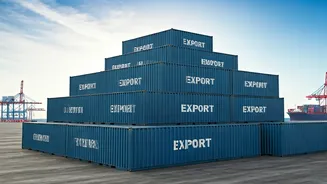
The elimination of duties under the India-Oman FTA is particularly beneficial for Indian exporters. The removal of tariffs makes Indian products more price-competitive in Oman. This enhanced competitiveness is likely to lead to an increase in export volumes and revenue for Indian businesses. The FTA is expected to provide Indian exporters with easier access to the Omani market, and by extension, possibly to other markets linked to Oman. This increased market access can boost business growth. With a focus on energy goods, the agreement specifically targets an important sector for Indian exporters. Overall, the FTA provides an important opportunity for Indian businesses to expand their reach and boost their sales through greater export opportunities.
Impact on Oman Trade
The FTA's duty removal also benefits Oman. By eliminating tariffs on goods entering India, the agreement reduces costs for Omani exporters. This can potentially increase the volume of goods Oman can send to India, broadening their market presence in the Indian market. The elimination of duties would make Omani products more affordable for Indian consumers. This also serves to strengthen the economic ties between the two nations, setting the foundation for long-term growth and mutual prosperity. This FTA establishes a stronger trade relationship, which could benefit both countries' economies. This provides both nations with opportunities for trade growth and economic expansion, benefiting both businesses and consumers alike.
Implementation Timeline
A significant aspect of the India-Oman FTA is the planned timeline for its implementation. The agreement is scheduled to become operational within three months of its finalization. This rapid rollout demonstrates the commitment of both governments to quickly realize the benefits of the trade agreement. The swift implementation period is vital for minimizing delays and allowing businesses to adapt quickly to the new trade environment. The quick setup also allows businesses to take advantage of the advantages the agreement offers. This accelerated timeline is expected to hasten the positive economic impacts resulting from the removal of trade barriers. With this quick implementation, businesses can swiftly take advantage of the opportunities provided by the agreement.
Economic Implications
The India-Oman FTA has notable economic implications. The most immediate impact of the FTA is the boost it gives to trade volumes between the two countries. The removal of tariffs makes it cheaper and easier to trade, leading to an increase in import and export activities. Increased trade is likely to enhance economic growth for both India and Oman. The FTA may generate greater investment opportunities as businesses look to capitalize on the new market access. This could foster further economic collaboration and growth across various sectors. The FTA contributes to broader economic integration. This agreement helps to foster stronger ties and pave the way for a more collaborative trade environment, benefiting both nations.