




Assess Your Light
Before planting anything, understanding your deck's sun exposure is crucial for success. Observe the sun's journey across your space from dawn till dusk
to map out areas of intense sunlight and shaded spots. This information is vital for selecting plants that will truly thrive, as sun-loving vegetables like tomatoes and peppers need at least six to eight hours of direct light, while certain herbs and flowers, such as basil and calendula, can flourish in more partial shade. By carefully charting the sun's path, you can strategically place plants to ensure they receive the optimal amount of light for robust growth and abundant harvests, turning potential challenges into unique gardening opportunities.
Choose Right Containers
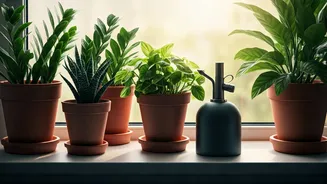
Selecting appropriate containers is paramount for the health and growth of your deck plants. Opt for pots, railing planters, or compact raised beds that offer ample space for roots to expand; constricted pots can severely stunt a plant's development and lead to rapid drying of the soil. Ensuring all your chosen vessels have adequate drainage holes is non-negotiable, as this prevents waterlogging, a common culprit of root rot and plant demise. While larger containers are generally beneficial, consider the overall weight they will add to your deck, especially when filled with soil and plants, ensuring structural integrity is maintained.
Select Compact Plants
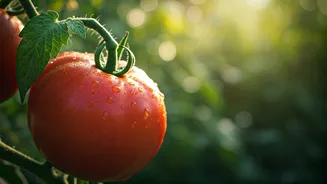
When gardening on a deck, prioritizing plants with a compact growth habit is key to maximizing your limited space. Instead of sprawling varieties, opt for herbs like thyme, rosemary, sage, and mint, which are perfectly suited for confined areas and offer continuous harvests. For a productive kitchen garden, consider cut-and-come-again greens such as loose-leaf lettuce and baby beets, which can be harvested repeatedly. When growing vegetables like beans, cucumbers, and tomatoes, seek out determinate or bush varieties; these are specifically bred to remain smaller and are much more amenable to container living, ensuring a manageable and fruitful deck garden.
Integrate Color Wisely
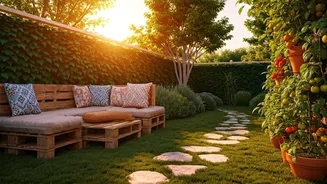
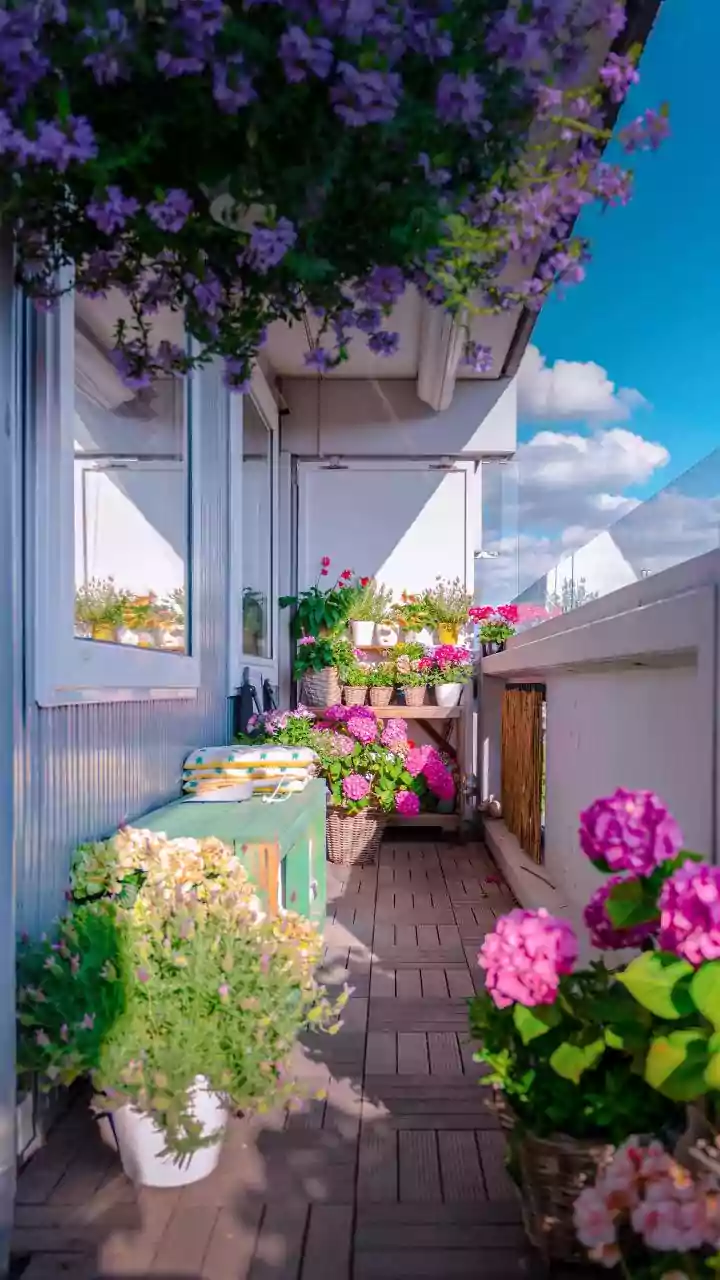
Adding color to your deck garden can create visual depth and interest, especially when dealing with smaller spaces. For ornamental plants, thoughtfully consider how flower hues interact and complement each other. Colorful planters can also serve as focal points, enhancing the overall aesthetic. However, avoid an overwhelming kaleidoscope of colors; instead, aim for a cohesive palette. Vasquez suggests selecting a unifying color or theme and extending it throughout your garden, using complementary colors in both plants and pots to create visually appealing vignettes that tie your vegetables, herbs, and flowers together harmoniously.
Embrace Vertical Space
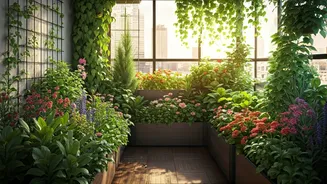
To significantly expand your planting capacity on a deck, the strategic use of vertical space is indispensable. Employ trellises, tiered shelving units, and hanging baskets to grow upwards, allowing you to fit more plants into a smaller footprint. This technique is particularly beneficial for vining plants, enabling them to climb and flourish without taking up valuable horizontal room. Even small varieties of pumpkins can become manageable when trained to grow vertically, transforming bare walls or railings into vibrant, productive green spaces and greatly increasing your garden's yield.
Get Creative with Materials
Budget-conscious gardeners can create charming and unique deck gardens by thinking outside the conventional planter box. Explore local thrift stores for affordable pots and containers, or repurpose items you already have at home. Salvaged materials like old coffee cans, sturdy milk crates, or wooden wine boxes can be ingeniously transformed into distinctive planters. When selecting materials for edible plants, always ensure they are food-safe to prevent any contamination, prioritizing both creativity and the well-being of your harvest.
Watering Techniques
Consistent and appropriate watering is vital for deck garden success, with most plants requiring about an inch of water weekly, though this varies by species. Researching the specific needs of each plant is crucial to avoid both under- and over-watering. To protect your deck structure and any neighbors below, implement measures to manage excess water. Placing saucers or drip trays beneath pots effectively catches stray water, preventing it from dripping onto surfaces. Adopting careful watering practices ensures your plants remain hydrated without causing moisture-related damage.
Smart Fertilization
Plants grown in containers on decks have a heightened need for nutrients compared to those in traditional garden beds, but they are also more susceptible to the detrimental effects of over-fertilization. The ideal approach involves using liquid organic fertilizers, which offer more control. Always dilute these fertilizers with water before application, especially for delicate herbs and lighter-feeding plants. Rigorously adhering to the instructions provided on the fertilizer packaging is essential to prevent nutrient burn and maintain the health of your containerized flora, ensuring balanced nourishment.
Season-Long Harvests
To maximize your harvest potential and enjoy fresh produce throughout the season, implement strategic succession planting. For fast-growing crops like radishes and carrots, sow new seeds at two-to-four-week intervals, continuing this practice through early summer. Following this, plant a final batch of seeds in late summer to ensure a continuous supply of vegetables for an autumn harvest. This methodical approach ensures your deck garden remains productive and yields fresh ingredients for an extended period, offering a rewarding and consistent bounty.
Companion Planting Benefits
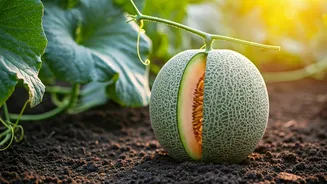
Encourage natural pollination and boost your garden's yield by integrating companion planting techniques. Many fruiting plants, such as cucumbers and melons, rely on pollinators to produce their fruit. You can attract these beneficial insects to your deck by planting flowers alongside your vegetables. Flowers like borage and chamomile not only add aesthetic appeal but also serve as excellent attractants for bees and other pollinators, creating a more vibrant and productive ecosystem right on your deck, leading to increased fruit set and overall plant health.
Monitor for Pests
While container gardens generally experience fewer pest issues than in-ground plots, vigilance is still necessary. Regularly inspect your plants for any signs of infestation, such as leaves with irregular chewing marks or discoloration. If pests are detected, prompt action is crucial. Small infestations can often be managed effectively by simply hand-picking the pests off the plants. For more persistent problems, consider using organic soap sprays as an environmentally friendly and effective treatment method to protect your deck garden's inhabitants.
Harvest Regularly
Consistent harvesting is one of the most effective ways to encourage plants to continue producing, leading to increased yields for both herbs, vegetables, and cut flowers. Regularly snipping away mature produce signals to the plant that it needs to regenerate and produce more. For crops that are sensitive to frost, ensure they are harvested before the first cold spell, or consider bringing potted plants indoors to extend their season. This practice not only provides you with a continuous supply of fresh goods but also keeps your plants vigorous and productive throughout their growing cycle.