





Ube: A Filipino Delight
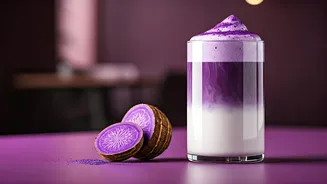
Ube, also recognized as purple yam, originates from the Philippines and is a culinary staple there, celebrated for its distinctive vibrant purple hue,
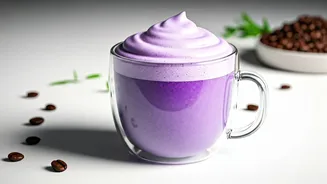
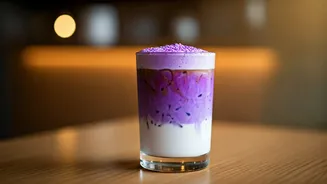
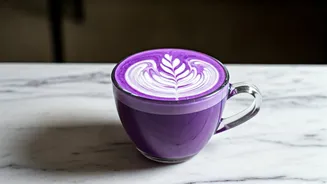
subtle sweetness, and wonderfully smooth texture. Traditionally, this root vegetable has been a cornerstone in crafting beloved Filipino desserts, lending its unique characteristics to everything from cakes and pastries to ice creams and custards, enhancing both their visual appeal and flavour profile. Its versatility extends beyond sweet treats, now making a prominent appearance in the beverage industry, particularly in the creation of visually stunning and palate-pleasing coffees, where it serves not only as a natural colouring agent but also contributes a delightful flavour.
Nutritional Powerhouse Revealed
Beyond its captivating visual appeal and the excitement of embracing popular food trends, ube possesses significant nutritional advantages. Scientifically, this vibrant yam is a rich source of essential carbohydrates, vital minerals like potassium, and Vitamin C. It is packed with potent plant compounds, notably antioxidants called anthocyanins, which are recognized for their potential to aid in reducing blood pressure and mitigating inflammation within the body. Furthermore, the flavonoids present in ube may offer benefits for individuals managing Type 2 diabetes by helping to regulate blood sugar levels. Additionally, these compounds have been linked to improvements in gut health and can contribute to lowering overall blood pressure, making ube a beneficial addition to a balanced diet when consumed in its natural form.
Ube Lattes: A Healthier Choice?
While the ube vegetable itself offers commendable health benefits, the way it's incorporated into café beverages warrants a closer look. Many commercially prepared ube lattes and coffees are often laden with added sugars, sweet syrups, and rich creams to enhance their flavour and texture. Consequently, these popular café drinks might not be as nutritionally superior to your regular coffee as one might assume. The natural advantages of ube can be somewhat overshadowed by the caloric and sugar content of these additions. Although ube is beneficial for diabetic patients in its pure form, when combined with processed sweeteners and fats, it could potentially have an adverse effect. Therefore, opting for a low-sugar version prepared with healthier ingredients is advisable for those seeking the benefits of ube without the excess sugar and calories, enjoying a cup occasionally rather than as a daily staple.