





Kids Need Movement
The World Health Organization (WHO) recommends that children aged 5 to 17 engage in at least 60 minutes of moderate-to-vigorous physical activity daily,
with a focus on aerobic exercises and muscle and bone strengthening at least three times a week. This activity can manifest in numerous enjoyable ways, such as swimming, skating, dancing, or martial arts. However, the question arises when the gym is considered a primary venue for this exercise. While the fundamental need for physical activity in children is undisputed, the specific context of a gym environment and its suitability for very young individuals requires careful examination, separating established health guidelines from evolving cultural trends in parenting and wellness.
Debunking Gym Myths
A significant concern often voiced regarding children and weight training is the potential for stunting growth. However, this notion is largely a misconception. Extensive scientific research indicates that weight training, when performed correctly with suitable resistance, does not impede the growth plates in children. In fact, it can be beneficial, leading to improved bone density, enhanced muscle strength, better coordination, and a reduced risk of injuries. The genuine risk of growth plate damage emerges only when a child attempts to lift excessively heavy weights with improper form or follows an unsupervised regimen not tailored to their developmental stage. Therefore, the myth of inhibited growth is primarily addressed by ensuring proper technique and age-appropriate loads.
Gym Culture's Rise
The perception and prevalence of gym culture have transformed significantly. Previous generations often engaged in a greater amount of unstructured outdoor play, with gyms being a less common or even non-existent feature of daily life. Today, however, gyms are integral to the burgeoning wellness movement. As younger generations of parents prioritize their fitness, the gym is increasingly becoming a shared family space, and it's natural for children to want to emulate their parents' activities. This shift means that children are exposed to and may participate in gym environments from a younger age, reflecting a broader societal emphasis on health and physical optimization.
Age-Appropriate Exercise
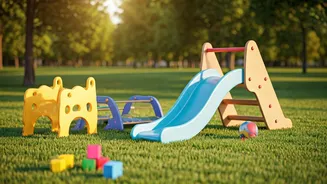
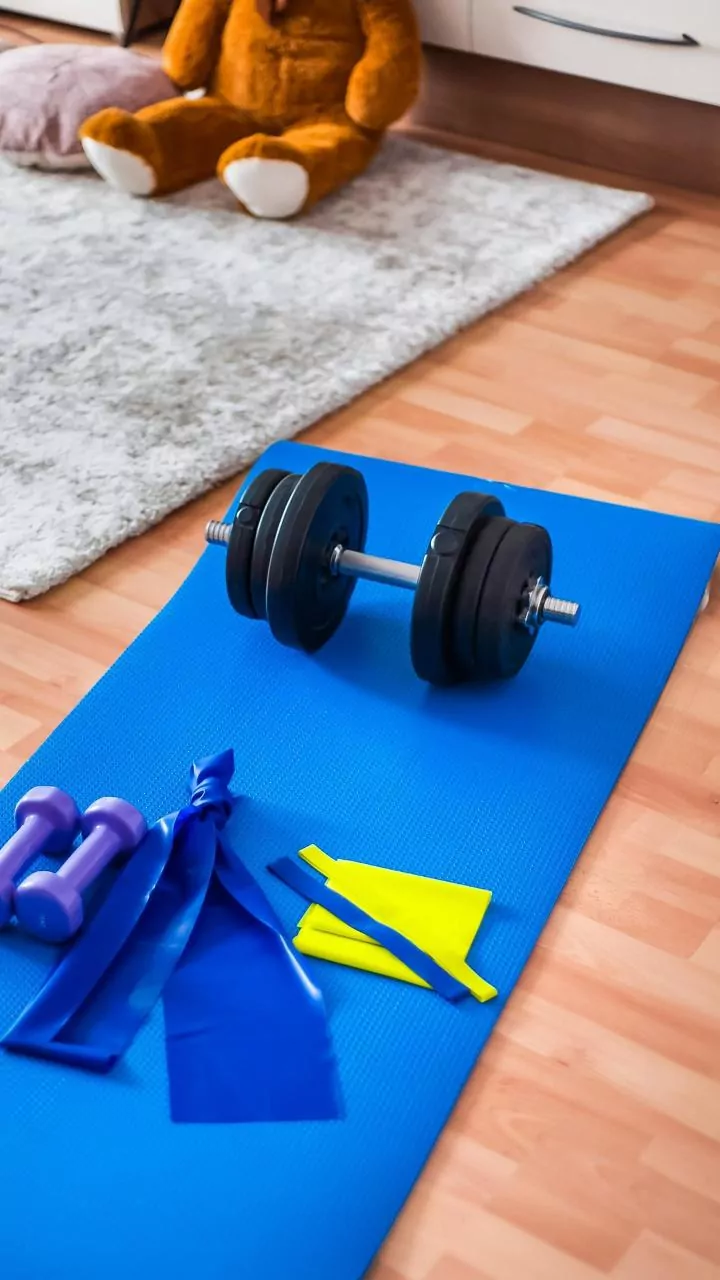
Experts suggest that children between the ages of 7 and 12 can benefit from controlled strength exercises that utilize body weight, such as squats and push-ups, or resistance bands. Formal weightlifting with external weights is typically considered safe only after puberty, when growth plates have matured, and should always be under professional guidance. Children under seven years old are better suited to activities like running, jumping, climbing, and cycling, which naturally build muscle and balance without undue stress on developing bones and joints. For this age group, unstructured free play is paramount, fostering not only physical development but also crucial social skills, creativity, and emotional well-being, making the gym environment largely unnecessary.
Impact on Self-Esteem
Early and consistent exposure to gym culture can significantly influence a child's developing self-image. Children are highly impressionable, and an intense focus on physical appearance, muscle definition, weight, or specific body types can foster unrealistic expectations and premature comparison with peers. This can lead to anxieties about their bodies and a potential development of body dysmorphia. Conversely, if fitness is presented as a tool for overall health, strength, and functional capability, it can positively boost confidence and discipline. The key lies in how parents frame and introduce fitness, ensuring it emphasizes well-being and personal achievement rather than aesthetic perfection or competitive pressure, which can be detrimental to a child's mental health.
Fostering Active Habits
Ultimately, the decision for a child to engage in gym activities hinges on the context and approach. Even within a gym setting, children can participate in age-appropriate aerobic exercises, provided they are supervised and focus on movement rather than strenuous performance. The overarching goal should be to cultivate a genuine enjoyment of being physically active. Experts emphasize that gym training, when introduced appropriately, can enhance a child's fitness journey but should never replace essential free play, exploration, and varied movement. In an era dominated by screens, encouraging any form of physical activity is crucial for building lifelong healthy habits, promoting strength, confidence, and a balanced lifestyle.