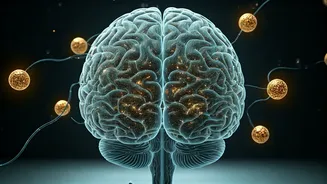

ADHD Beyond Focus
ADHD, or Attention-Deficit/Hyperactivity Disorder, is frequently misunderstood. It's often simplified to a matter of attention. However, it’s a much more
complex condition, particularly in the Indian context. While trouble focusing is a common symptom, ADHD significantly affects emotional regulation and impulsive behaviors, and it often has an impact on the capacity to maintain a steady emotional state. Recognizing this is important for parents and family members who want to help their loved ones deal with ADHD effectively and compassionately in their daily lives. The condition’s emotional aspects create difficulties in various areas, which in turn affect the affected individual's ability to participate in and adapt to Indian society.
Dopamine's Crucial Role
Dopamine, a neurotransmitter in the brain, plays a critical part in ADHD. It is strongly linked to reward, motivation, and pleasure systems. In people with ADHD, dopamine function can be less effective, causing them to search for experiences that provide greater dopamine release. This could manifest as impulsivity or difficulty with self-control. The brain needs a balance of this crucial chemical to function in a normal state. Understanding dopamine’s role is critical, as it explains certain behaviors associated with ADHD. The imbalance makes it difficult for individuals to focus or regulate emotions. This also impacts the individuals' decision-making processes. Therefore, recognizing the neurological basis of ADHD is the first step towards getting the appropriate support.
Emotional Outbursts Explained
Emotional outbursts are a common yet challenging symptom of ADHD. These reactions aren't intentional but are often the result of the brain’s challenges in regulating emotions. Individuals may experience feelings too intensely or react more strongly than the situation warrants. This can involve mood swings, frustration, or unexpected emotional responses. Within an Indian family setting, this can be particularly difficult, leading to misunderstandings and conflicts. However, recognizing emotional dysregulation as part of the disorder helps in creating empathy and developing effective coping strategies. Education about ADHD is essential to prevent such situations. When family members start to understand how the condition works, they're better equipped to support their loved ones and communicate effectively.
Real-Life Family Moments
Consider an Indian household where a child with ADHD may find everyday situations challenging. Simple requests, like completing homework or sharing toys, can trigger emotional reactions. An impulsive outburst might lead to a sibling conflict. These scenarios highlight the need to understand ADHD’s impact on emotional regulation. Without proper understanding, family members may misinterpret behavior as defiance or immaturity. Instead, the focus should be on building effective strategies. This involves creating a supportive environment and understanding the specific triggers. A focus on education and clear communication helps family members to navigate such situations. By understanding the challenges, families can foster a more compassionate and understanding environment.
Aiding Emotional Regulation
Several strategies are useful in helping individuals with ADHD manage emotional regulation. Firstly, creating a structured daily routine can offer a sense of stability. Secondly, teaching and practicing mindfulness and relaxation techniques, such as deep breathing, helps manage overwhelming emotions. Moreover, regular physical activity is often very helpful in providing an outlet for excess energy and can improve mood. Additionally, cognitive behavioral therapy (CBT) can offer individuals coping mechanisms to deal with different emotional challenges. Finally, medication, in some cases, can help regulate the neurochemical imbalances. Each method should be customized to meet individual needs and under the guidance of healthcare professionals. It also needs the involvement of family and school members in order to create a holistic support system.
Reactions Feel 'Too Big'
The intensity of emotional responses in ADHD can be startling. Individuals with ADHD might experience emotions in a way that feels 'too big' for those around them. These strong reactions often stem from difficulties with emotional regulation. A minor frustration can feel like a major setback. It is easy for others to misinterpret these reactions as overreactions or an inability to cope with setbacks. However, understanding that these responses are a manifestation of the disorder is key. When family members recognize this, they can respond with empathy rather than criticism. Creating a supportive environment can foster trust and open up effective communication, thus helping the individual with ADHD better understand their own emotions and build more effective coping strategies. Seeking professional guidance is important.