





Aesthetic Tranquility
Sanya Malhotra's recent move into a sea-facing apartment in Mumbai marks a significant milestone, celebrated with a griha pravesh ceremony. The 'Dangal'
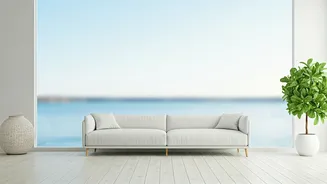
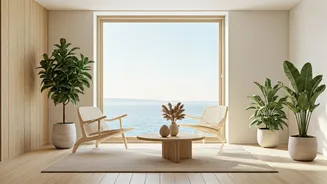
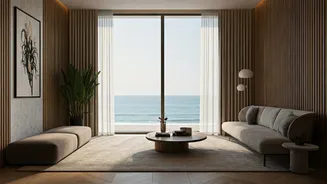
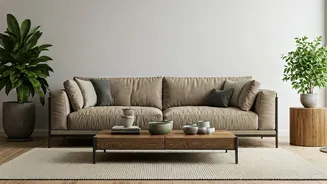
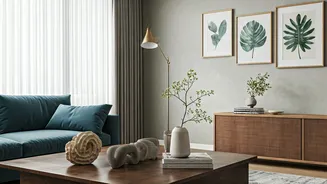
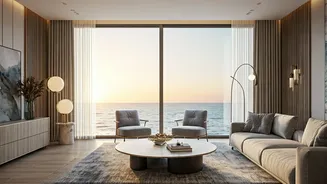
actress, known for her compelling performances, has opted for a design philosophy that prioritizes serenity and understated elegance. Her new abode is a testament to contemporary living, infused with traditional warmth and a deep connection to nature. The interior palette is dominated by soft, muted tones, primarily beige and green, which experts suggest are crucial for fostering a sense of calm and emotional grounding. These colors, reminiscent of the natural world, subconsciously evoke feelings of safety and stability, creating an environment conducive to relaxation and mental restoration. The careful selection of these hues, coupled with strategic placement of natural elements, transforms the space into a peaceful retreat from the bustling city life.
Design Details Emerge
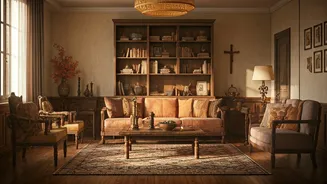
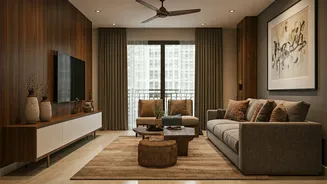
The architectural and interior design choices in Sanya Malhotra's new home speak volumes about her preference for sophisticated yet simple aesthetics. Detailed woodwork is a prominent feature, elegantly framing doorways and even extending across sections of the ceiling, adding a layer of timeless craftsmanship. Warm, ambient lighting complements the soft wall colors, enhancing the overall cozy and inviting atmosphere. The presence of central air-conditioning ensures comfort throughout the year. A key highlight is the balcony, which offers an unobstructed, breathtaking view of the sea, serving as a constant reminder of the natural beauty surrounding the residence. Decorative lamps are thoughtfully placed in various corners, contributing to the warm glow, while indoor plants and floral arrangements introduce life and freshness, further softening the interiors. A particularly charming area is the veranda, elegantly separated by glass panels, which features a swing, lending a breezy, relaxed vibe to the space.
Flooring and Connections
Sanya Malhotra's choice for the flooring introduces a dynamic visual element to her serene living space. She has selected brown tiles, strategically interspersed with accent squares in dark and white hues, creating a striking contrast that adds depth and visual interest. This choice moves beyond a monolithic approach, infusing energy into the rooms. Complementing the flooring are the doorways, which include both standard entrances and elegant arches. These arches, bordered with wood, serve as graceful transitions between different areas of the home, leading into spacious halls. The overarching design philosophy seems to be about creating a fluid and interconnected living environment, where each space flows seamlessly into the next, contributing to an open and welcoming feel. This thoughtful consideration of materials and architectural elements underscores a commitment to both aesthetic appeal and functional flow within the home.
Psychology of Color
The increasing adoption of soft, earthy tones like beige and green by celebrities and public figures, including Sanya Malhotra, is not merely a stylistic trend but is deeply rooted in color psychology. Experts explain that specific colors have a profound impact on human behavior, thought processes, and emotional states. Dr. Murali Krishna, a Consultant in Psychiatry and Counselling Services, notes that research suggests certain colors can enhance focus, stimulate appetite, boost mood, or alter energy levels. Earthy tones such as beige, taupe, and muted greens are universally linked to feelings of calmness, stability, and emotional grounding. Their connection to nature subconsciously signals safety, stability, and renewal to the brain. Green, in particular, is associated with harmony, mental restoration, and relaxation, while neutral shades like beige act as a visual anchor, providing warmth without overstimulation. These colors create an environment that feels predictable, comfortable, and emotionally safe, allowing the mind to settle and reducing reactivity.
Minimalism and Clarity
Beyond the calming effects of color, the minimalistic approach adopted in Sanya Malhotra's home is also recognized for its significant contribution to mental clarity and emotional well-being. Dr. Krishnan elaborates that a minimalistic living environment actively supports mental clarity by reducing visual clutter and minimizing excessive stimulation. When fewer objects vie for attention, the brain is able to process information more efficiently, which can, in turn, enhance focus and improve decision-making capabilities. Furthermore, clean, uncluttered spaces are consistently associated with lower stress levels. Environments characterized by simple layouts and neutral color palettes tend to foster a sense of order and predictability. This sense of order is crucial for regulating emotional responses, promoting a state of calmness, and contributing to an overall feeling of peace and mental equilibrium within the home.