
Road's Rocky Reality
India is home to an array of landscapes, including the exceptionally dangerous road that stretches for an extensive 480 kilometers. This road is characterized
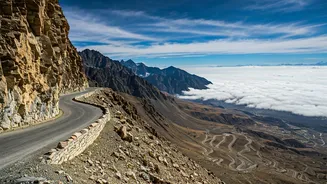
by its rugged terrain, carved through rocky cliffs, and reaching altitudes as high as 3,900 meters. The journey along this route is not for the faint-hearted, as one wrong turn could lead to a catastrophic fall. This road’s existence is a testament to human endeavor, showcasing engineering feats that have paved the way for connectivity in challenging geographical conditions. The route presents a formidable challenge and underscores the need for extreme caution while traversing it.
High Altitude Hazards
The remarkable elevation of this road is a primary factor contributing to its reputation as hazardous. Winding through the mountains, the road ascends to heights that can significantly affect both vehicles and travelers. The thinner air at these elevations can decrease engine performance and increase the risk of altitude sickness among passengers. Furthermore, the extreme weather conditions experienced in these high-altitude regions, including unpredictable snowfall and icy patches, add another layer of danger. Visibility can be severely impacted by fog and storms, making navigation even more challenging. The combination of narrow roads, steep cliffs, and the effects of altitude demand that drivers remain exceedingly vigilant and prepared for any situation.
Building Purpose Revealed
The construction of this dangerous road was driven by strategic and practical reasons. Primarily, it was built to facilitate movement, both for military purposes and for civilian transport. Its existence allows for the supply of vital resources and personnel to remote regions. The road serves as a crucial link for communities and aids in economic development by enabling trade and tourism. Despite its risks, this road plays an essential role in connecting isolated areas. The road's design and engineering required advanced techniques to conquer the difficult terrain. It underscores the importance of infrastructure development in fostering connectivity and economic growth even in the most remote areas.
Where the Road Ends
Although the exact endpoint of this road might not be specifically mentioned, it's certain that its route is significant. Its path weaves through challenging terrains. The road's terminus connects to other key routes and settlements, supporting local communities. The end of this stretch signifies the culmination of a demanding journey and the beginning of another phase for travelers and vehicles alike. The roads’ connectivity is important to the greater network of roads throughout India. The ultimate significance lies not only in the physical endpoint, but in the connections and possibilities that it unlocks.
A Single Mistake
The inherent dangers of the road are ever-present and cannot be overlooked. The combination of steep cliffs and the absence of guardrails in several segments enhances the possibility of a devastating plunge for anyone. One wrong turn could lead to serious consequences, including serious injuries or even death. The road's narrowness in many parts adds to the risk, particularly when passing other vehicles. Thus, traveling on this route requires constant attention and caution. The unforgiving conditions highlight the need for careful driving and thorough preparation. Travelers are advised to plan and equip their vehicles and themselves appropriately to ensure their safety while navigating through this hazardous, yet beautiful, landscape.