





Embracing Winter Flavors
Winter in India brings with it a delightful array of traditional foods, each crafted to provide warmth and nourishment. These dishes are more than just
meals; they are a celebration of cultural heritage and culinary expertise. From the vibrant streets of North India to the serene landscapes of the Himalayas, these foods reflect the diversity and rich culinary traditions of the country. Many of these dishes are especially popular for the ingredients they contain, which are believed to offer additional health benefits during the colder months, such as boosting the immune system and providing sustained energy. These dishes are often slow-cooked and packed with spices and ingredients that bring both taste and a warming experience. The following sections will introduce some of the most popular winter dishes, detailing their unique characteristics and the regions where they are most cherished.
Gond Ke Ladoo
Originating from North and Central India, Gond Ke Ladoo is a powerhouse of energy and warmth, traditionally enjoyed during the winter months. These round, sweet treats are made with edible gum (gond), ghee (clarified butter), nuts, and jaggery (unrefined sugar). The preparation of gond ke ladoo is a time-honored tradition, with each ingredient carefully selected for its nutritional value and flavor profile. Edible gum provides sustained energy, while ghee acts as a warming agent. Nuts offer healthy fats and protein, and jaggery provides a natural sweetness. They are particularly favored for their ability to provide sustained energy and warmth, making them an ideal snack during the cold winter days. The ingredients are often toasted and then mixed with melted jaggery, which binds everything together. The mixture is then shaped into ladoos.
Thukpa's Hearty Goodness
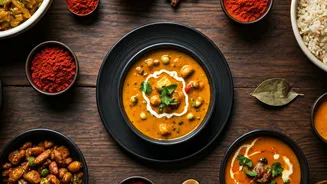
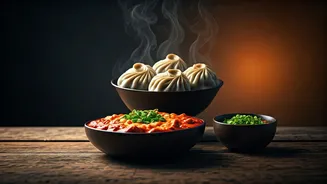
Thukpa, a comforting noodle soup, is a staple in the high-altitude regions of Ladakh and the North-East of India. Perfect for battling the winter chill, thukpa is a hearty and flavorful dish, filled with vegetables or meat and warming spices. The preparation of thukpa varies slightly by region, with each area adding its unique touch. It's the perfect meal for a cold day, providing both physical and emotional warmth. The warmth is not just in the temperature, but also the spices infused in the thukpa. Thukpa provides a balanced meal, with carbohydrates from the noodles, protein from the meat, and essential nutrients from the vegetables. This soup is a testament to the resilience of Himalayan cuisine, adapting to the harsh conditions and offering comfort in every spoonful.
Paya Soup: A Delicacy
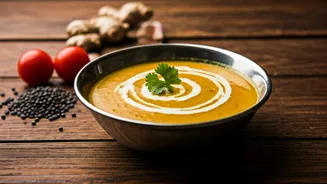
Paya soup is a richly flavored and deeply satisfying dish enjoyed across North India and Hyderabad, particularly in winter. The foundation of paya soup is slow-cooked goat or lamb trotters, which simmer for hours with spices to extract maximum flavor and nourishment. The slow cooking process allows the flavors to meld together, resulting in a rich and aromatic broth. Spices, such as ginger, garlic, and various other Indian spices, add layers of flavor and are also believed to provide warmth. Beyond its comforting taste, paya soup is also believed to have health benefits. It is often eaten during the winter for warmth and nourishment, acting as a natural remedy. The collagen-rich trotters create a thick, nourishing soup that's both satisfying and healthful, making it a winter favorite.
Undhiyu: Upside Down Delight
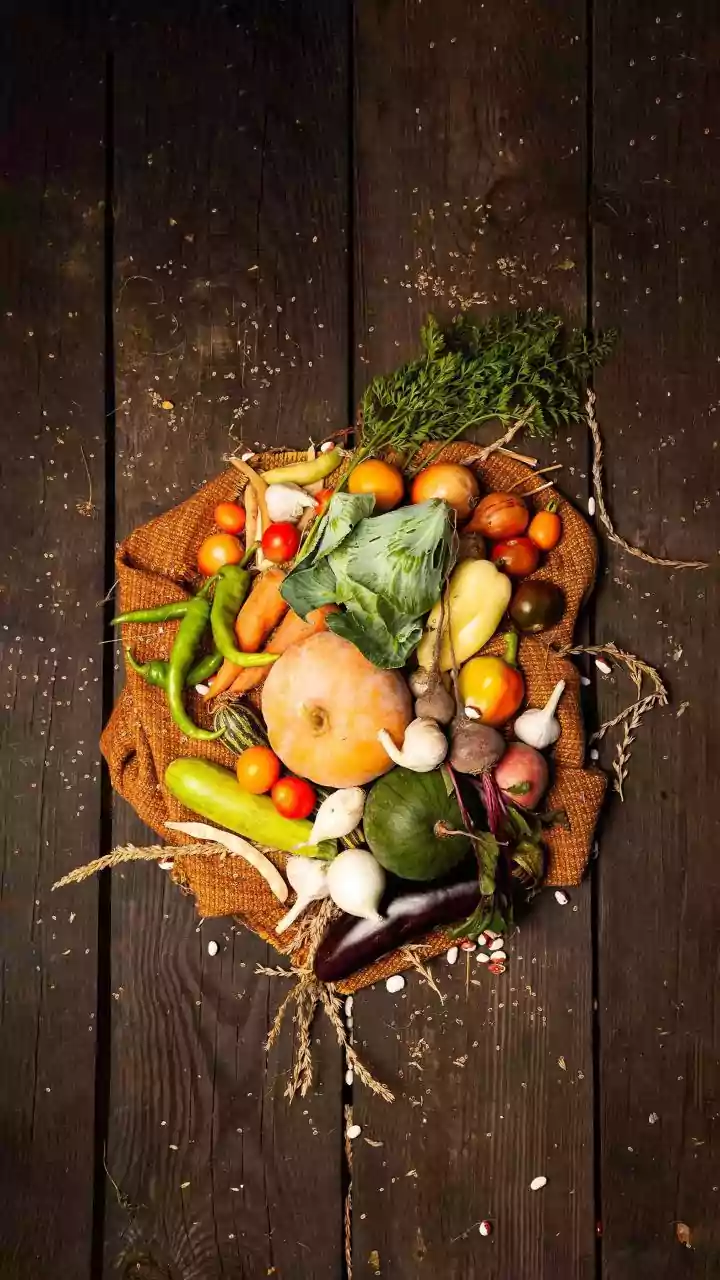
From the vibrant state of Gujarat comes Undhiyu, a mixed vegetable dish prepared in a unique and traditional way. The dish is cooked upside down in earthen pots, which are buried underground or placed over low heat. It features a medley of winter vegetables such as purple yam and green beans. The slow cooking process allows the flavors of the vegetables and spices to meld together. Undhiyu is a perfect example of a dish that reflects the season and the local produce available. Each vegetable retains its individual character while harmonizing with the others to create a flavorful whole. It is a labor of love that is enjoyed and appreciated during the winter months. Undhiyu is not just a dish but an experience, reflecting the communal spirit of Gujarati culture and its love for flavorful, wholesome food.
Sarson Ka Saag
Sarson Ka Saag, a winter staple from Punjab, is a dish that showcases the simplicity and richness of Punjabi cuisine. Prepared with mustard greens, this dish is slow-cooked with a blend of spices, allowing the flavors to deepen and mingle. This is a dish that symbolizes winter. The greens provide essential nutrients, making the saag a healthy and warming choice. The traditional pairing of Sarson Ka Saag with makki ki roti (cornmeal bread) is a match made in culinary heaven. The hearty saag is complemented by the subtle sweetness of the roti. It is a symbol of warmth and comfort during the cold winter days, a dish that brings families together and celebrates the bounty of the season.
Nolen Gur's Sweetness
Nolen Gur, a seasonal delicacy from West Bengal, is a type of jaggery harvested only in winter from date palm sap. This unique jaggery offers a rich, caramel-like flavor, setting it apart from other types of jaggery. The harvesting and processing of nolen gur is a careful process, done in the colder months to ensure the best flavor. Its distinct flavor profile makes it a favorite ingredient in Bengali sweets. From kheer (rice pudding) to sandesh (sweet cheese balls), nolen gur elevates the taste of these desserts to new heights. The seasonal availability of nolen gur adds to its appeal. It is more than just a sweet; it is a representation of the traditions and culinary heritage of Bengal, bringing joy and sweetness during the winter season.